Navigating the Future of Freight Forwarding Technology
Monday, October 12 2026
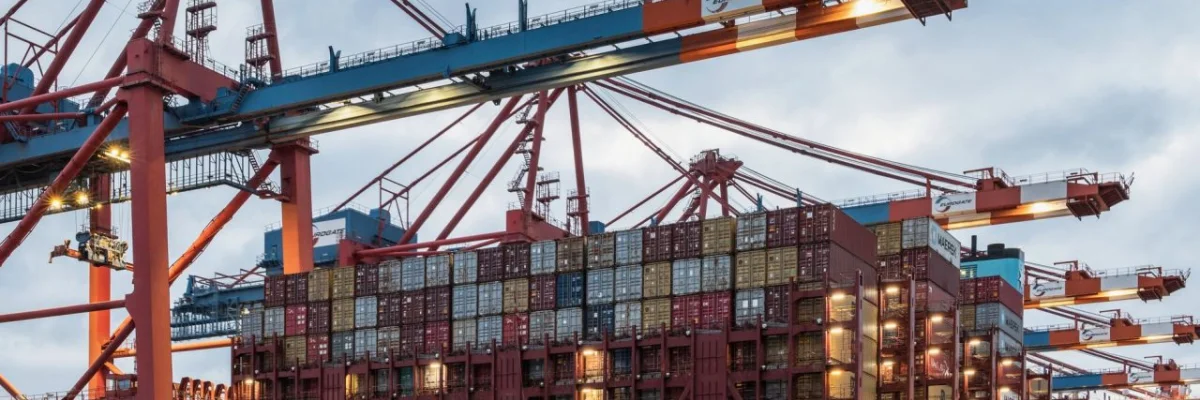
The global freight forwarding sector is undergoing a rapid digital transformation that redefines how logistics providers manage their daily operations. As supply chains become more complex and client expectations for transparency continue to rise, relying on manual processes is no longer a sustainable strategy for success. Modern software platforms now empower forwarders to automate documentation, optimize routing, and provide real-time tracking visibility across all transport modes. By integrating cloud technology, businesses can effectively reduce operational overhead while scaling their services to meet the demands of a volatile global market. Embracing these innovations is essential for maintaining competitive relevance in today's fast-paced international trade environment.
The Rise of Automated Documentation

Automated documentation software has revolutionized the way freight forwarders handle customs compliance and bill of lading generation. By minimizing human data entry errors, logistics teams can focus on strategic tasks rather than administrative hurdles that typically slow down international shipments.
- Reduced processing errors: Automated systems eliminate the repetitive manual data entry tasks that lead to expensive clerical mistakes and potential regulatory delays during the customs clearance process for shipments.
- Faster document turnaround: Digital platforms expedite the creation of essential shipping documents like commercial invoices and packing lists, significantly decreasing the total transit time for global cargo movements.
- Improved compliance tracking: Integrated software solutions monitor changing international trade regulations in real time, ensuring that all generated paperwork remains fully compliant with current global shipping legal standards.
- Enhanced data accuracy: Centralized digital databases ensure that every stakeholder accesses the same precise information, preventing confusion between forwarders, carriers, and international trade regulatory authorities every day.
Adopting digital document automation is a critical step for modern freight forwarders who want to minimize risks while increasing operational throughput. By streamlining how data flows between parties, firms significantly reduce the likelihood of costly administrative bottlenecks. These technological enhancements not only save valuable time but also provide the reliability that international clients demand, positioning your organization as a leader in global supply chain efficiency.
Real-Time Visibility and Tracking

Providing clients with live status updates is no longer a luxury but a standard industry requirement. Advanced visibility tools allow forwarders to share precise tracking data, which builds trust and improves the overall quality of client relationships throughout shipment lifecycles.
- Proactive disruption management: Real-time monitoring allows forwarders to identify potential transit delays immediately, enabling them to suggest alternative routes before shipment schedules are negatively impacted by environmental issues.
- Enhanced client communication: Automated status notifications keep shippers informed about their cargo locations without requiring endless email exchanges or phone calls to verify current shipment statuses daily.
- Transparent logistics data: Sharing live dashboards with customers creates a high level of transparency that differentiates professional forwarding services from traditional competitors who lack digital connectivity.
- Carrier performance analysis: Detailed tracking data helps companies evaluate which carriers provide the most reliable transit times, allowing for more data-driven decisions during future vendor selection processes.
Visibility serves as the backbone of modern freight forwarding, directly influencing client retention and brand reputation. When you can provide accurate information regarding the exact location of goods, you turn logistics from a commodity into a value-added service. This shift allows your team to manage exceptions effectively while demonstrating technical competence, ultimately securing long-term partnerships with shippers who prioritize reliability and transparency above cost.
Cloud Integration for Global Logistics

Cloud-based platforms provide the flexibility needed for teams to work from anywhere while maintaining access to critical shipment information. This shift from local servers to cloud environments ensures that data remains secure and accessible for international logistics operations.
- Anywhere operational access: Cloud software allows logistics teams to coordinate global shipments from multiple regional offices without needing expensive hardware or complex on-site networking infrastructure for workers.
- Scalable business growth: Digital platforms expand alongside your company, allowing you to add new users and modules easily as your forwarding volume increases across various trade lanes.
- Enhanced data security: Cloud providers implement rigorous encryption and regular security updates, protecting sensitive trade data from cyber threats that often target traditional local server-based logistics software.
- Seamless system integration: Modern cloud APIs allow freight forwarding software to communicate directly with carrier portals and accounting systems, streamlining the entire logistics lifecycle into one platform.
The transition to cloud architecture is essential for companies aiming to remain agile in a competitive market. By centralizing operations, forwarders gain a unified view of their business, which simplifies decision-making and fosters collaboration across distributed teams. This digital foundation provides the stability required to handle peak season surges and unexpected market fluctuations, ensuring your organization remains operational and efficient regardless of external circumstances.
Optimizing Supply Chain Efficiency
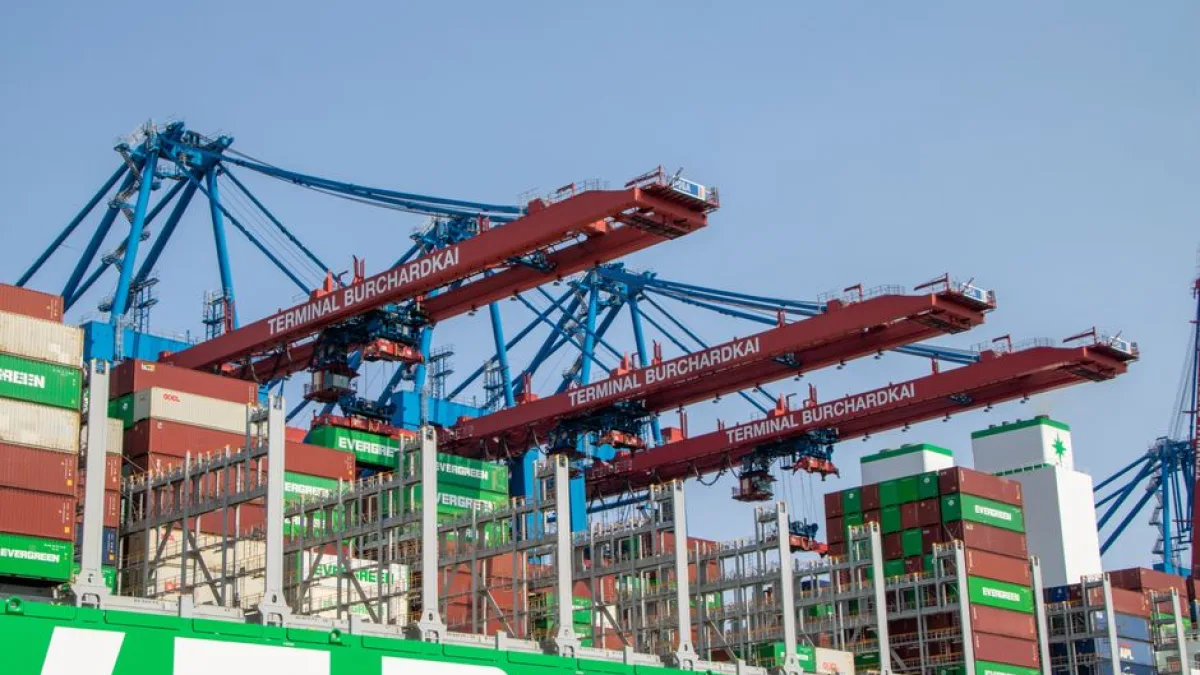
Strategic optimization remains the primary goal for forwarders seeking to improve profit margins and operational efficiency. By leveraging software analytics, professionals can identify inefficiencies and adjust their workflows to maximize productivity across every individual shipment and client account.
- Advanced cost analytics: Detailed financial reporting helps forwarders identify high-cost routes or inefficient carrier partnerships, allowing for better budget management and improved profitability on every handled freight load.
- Workflow process automation: Customizing software workflows allows teams to automate repetitive tasks like quote generation and invoicing, saving hours of manual labor for staff members every week.
- Resource management efficiency: Analytics provide insights into team performance, helping managers allocate human resources effectively to ensure high-priority shipments receive the attention they need for timely delivery.
- Improved carrier negotiation: Data-driven insights regarding trade volume and lane density empower forwarders to negotiate better rates with shipping lines based on actual historical performance trends.
Optimizing supply chain operations is a continuous process that requires a combination of insightful data analysis and robust software tools. When freight forwarders focus on refining their internal processes, they unlock significant competitive advantages that translate into better services for their shippers. By continuously measuring performance against key industry benchmarks, your organization can foster sustainable growth and achieve excellence in the complex world of shipping.
Conclusion
The future of freight forwarding depends entirely on the adoption of intelligent software solutions that prioritize speed, accuracy, and visibility. By automating documentation, enhancing tracking, and leveraging cloud technology, forwarders can meet the evolving needs of their global customers. Investing in the right digital platform today is the best way to secure a successful future and maintain high performance in this competitive industry.