Navigating the Future of Freight Forwarding Technology
Tuesday, October 13 2026
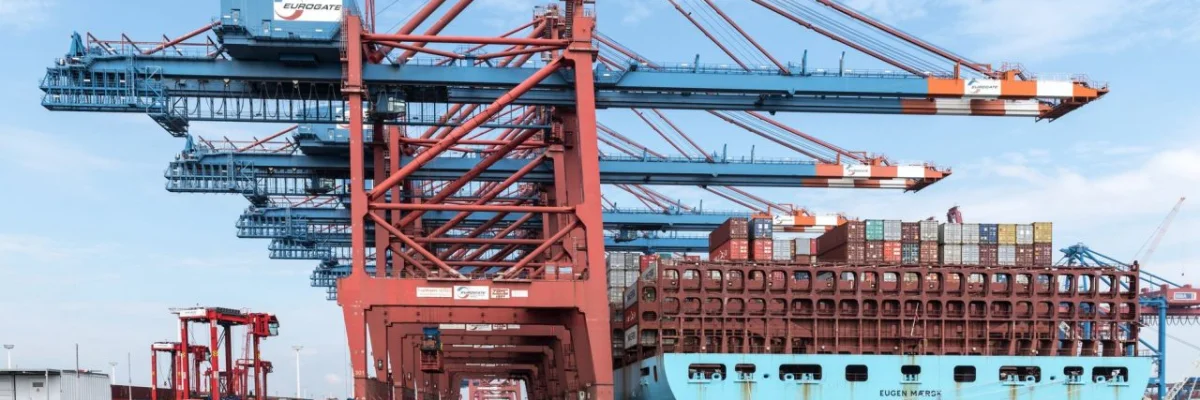
The global logistics landscape is undergoing a profound transformation driven by rapid technological integration and shifting trade dynamics. As freight forwarders face increasing pressure to provide real-time visibility, cost-effective routing, and seamless compliance management, the reliance on outdated manual processes is no longer sustainable. Digital transformation is now the primary lever for operational excellence and long-term viability in a competitive marketplace. By embracing cloud-based platforms and data-driven decision-making tools, logistics providers can navigate complex regulatory environments while significantly improving service delivery for their global clients. Staying informed about these evolving industry standards is essential for every modern freight professional today.
Optimizing Supply Chain Visibility
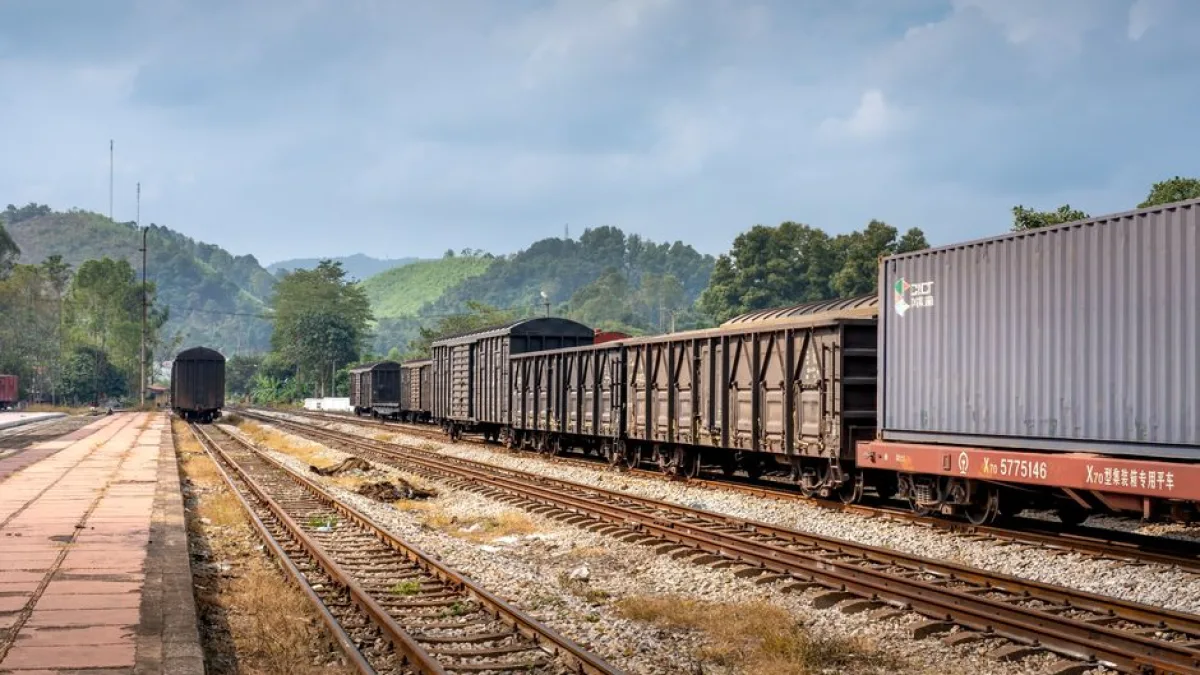
Advanced tracking technology provides unprecedented clarity throughout the entire shipping lifecycle. Logistics managers now rely on real-time data to monitor container movements across international borders, ensuring that every stakeholder remains fully informed about potential transit delays or arrival schedules.
- Enhanced tracking systems: Modern platforms utilize advanced GPS and IoT sensors to provide real-time updates on container locations, which helps minimize uncertainty for clients during complex multi-modal international transit operations.
- Data synchronization benefits: Seamless integration of freight data across multiple software platforms ensures that all parties view accurate shipment status, significantly reducing communication errors and improving overall operational coordination.
- Proactive disruption management: Predictive analytics allow logistics teams to identify potential transit issues before they escalate, providing an opportunity to reroute shipments and maintain consistent service levels for customers.
- Increased customer trust: Providing clients with transparent access to shipment tracking details fosters stronger professional relationships and demonstrates a firm commitment to high-quality service and modern communication standards.
Adopting these sophisticated visibility tools allows freight forwarders to transcend basic shipment monitoring. By leveraging granular data, companies can transform their customer experience from reactive to proactive service models. This shift not only builds long-term client retention but also optimizes internal resources. As market volatility continues to challenge traditional logistics workflows, visibility becomes the ultimate competitive advantage for forwarders seeking sustainable growth.
Automation in Documentation Management

Manual document processing often creates significant bottlenecks that hinder productivity and increase the risk of costly errors. By automating administrative tasks, logistics firms can redirect their valuable human resources toward more strategic business development and client-focused relationship building initiatives.
- Reducing manual errors: Automated document processing platforms utilize sophisticated OCR technology to extract critical data points, which minimizes human data entry mistakes and ensures high levels of document accuracy.
- Accelerating customs clearance: Standardized digital templates and automated filing systems help forwarders navigate complex international customs regulations with greater speed, avoiding costly port delays and potential legal penalties.
- Workflow efficiency gains: Centralized digital document repositories allow team members to access vital shipment records instantly from any location, significantly streamlining internal workflows and improving overall company productivity levels.
- Security and compliance: Encrypted cloud storage solutions protect sensitive shipping documentation against unauthorized access, ensuring that your company remains fully compliant with international data protection and industry standards.
Transforming document management into a digital process is vital for scaling operations effectively. Moving away from paper-based systems reduces overhead costs and speeds up the entire billing cycle for your organization. Forwarders who embrace these automated workflows position themselves to handle higher volumes without increasing their staffing burdens. This operational agility is critical when managing the complexities of modern global trade cycles.
The Role of Cloud Platforms

Cloud-based software is the foundation for modern freight forwarding, enabling teams to collaborate from anywhere in the world. This infrastructure provides the necessary flexibility to scale operations, ensuring that logistics companies remain agile in an unpredictable global market environment.
- Global team collaboration: Cloud platforms allow employees in different time zones to update shipment data simultaneously, creating a unified operational environment that improves overall communication and task management.
- Scalability for growth: Digital infrastructure can easily expand to accommodate seasonal spikes in freight volumes, allowing your company to maintain performance during peak periods without physical capacity limits.
- Reduced maintenance costs: Cloud software eliminates the need for expensive on-site server hardware, allowing your IT budget to be reallocated toward more innovative digital tools and strategic initiatives.
- Reliable data backups: Automated cloud synchronization ensures that your critical shipment data is backed up constantly, providing essential security and peace of mind during potential hardware failure events.
The transition to cloud-native software is no longer optional for firms aiming to remain relevant. By hosting critical data in secure, accessible environments, companies can operate with unprecedented freedom and speed. This agility enables forwarders to respond to client requests in seconds rather than hours. Investing in robust cloud infrastructure is a foundational step toward securing your firm's position as a forward-thinking industry leader.
Future Trends in Logistics

Looking ahead, the integration of artificial intelligence and robotics is set to reshape the logistics industry entirely. Forward-thinking companies are already experimenting with these emerging technologies to improve warehouse efficiency and streamline the movement of goods through busy international port facilities.
- Artificial intelligence integration: Machine learning algorithms analyze historical shipping data to optimize freight routes and suggest cost-saving measures, providing companies with a significant edge in competitive international pricing markets.
- Robotics and automation: Emerging warehouse robotics systems facilitate faster sorting and packing operations, which significantly reduces the turnaround time for cargo entering and exiting various global distribution hubs.
- Sustainable logistics solutions: Green technology initiatives are helping freight forwarders reduce their carbon footprint, appealing to modern clients who prioritize environmental sustainability in their global supply chain management strategies.
- Seamless system interoperability: Future industry trends emphasize the importance of connecting different software ecosystems, allowing for a fully integrated digital landscape that supports transparent and efficient global trade.
The pace of technological change in logistics is accelerating faster than ever before. Preparing your business for these advancements requires an open mindset and a willingness to adopt innovative tools early. Forwarders who prioritize continuous learning and technological integration will undoubtedly lead the market in the coming decade. Focus your strategy on flexibility to ensure your organization thrives amidst the rapid digital evolution.
Conclusion

The freight forwarding industry stands at a critical juncture where digital innovation determines ultimate success. By prioritizing visibility, automation, cloud accessibility, and emerging technologies, professionals can navigate modern complexities with confidence. Success requires constant adaptation and the right software partners to manage operational demands. Start optimizing your freight processes today to ensure your company remains a leader in the global logistics market.