Navigating the Future of Freight Forwarding Technology
Friday, October 23 2026
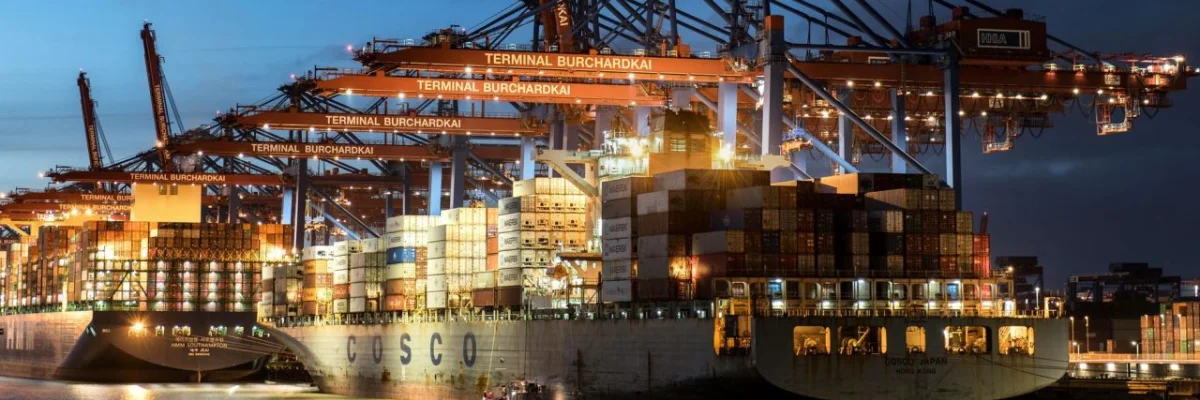
The global logistics landscape is undergoing a profound transformation driven by rapid technological integration and shifting trade dynamics. As freight forwarders face increasing pressure to provide transparency and speed, the adoption of cloud-based platforms has become essential for maintaining operational agility. By moving away from manual legacy processes, companies can now leverage real-time data to optimize complex supply chains across multiple regions. This shift not only improves individual efficiency but also enhances the overall reliability of international shipping networks. Staying ahead of these trends is no longer optional for professionals who aim to thrive in a competitive and volatile global market.
Modernizing Logistics Infrastructure

Modern infrastructure requires sophisticated software to handle the rising complexity of global shipments and regulatory requirements. Forwarders must now prioritize platforms that integrate seamlessly with carrier portals, customs authorities, and internal accounting systems to ensure data flows without any interruption.
- Automated Data Entry: Implement advanced digital capture tools to eliminate repetitive manual tasks and drastically reduce the occurrence of human error across your shipping documentation and invoicing process flows.
- Cloud System Integration: Connect your existing logistics tools with centralized cloud platforms to achieve a unified view of all freight operations and improve communication with your global partners.
- Scalable Software Solutions: Choose flexible technology architectures that allow your business to expand service offerings without requiring massive capital investment in on-premise hardware or dedicated local IT support.
- Enhanced Security Protocols: Protect sensitive client and shipment data by utilizing encrypted cloud platforms that offer superior security compared to traditional filing systems or unmanaged internal servers.
Updating your infrastructure is the first step toward achieving operational excellence in a digital environment. By focusing on integration and scalability, forwarders create a robust foundation that supports long-term growth and stability. As you transition to cloud-based systems, you will find that the administrative burden decreases, allowing your team to spend more time focusing on high-value client relationships and strategic business planning.
Optimizing Supply Chain Visibility
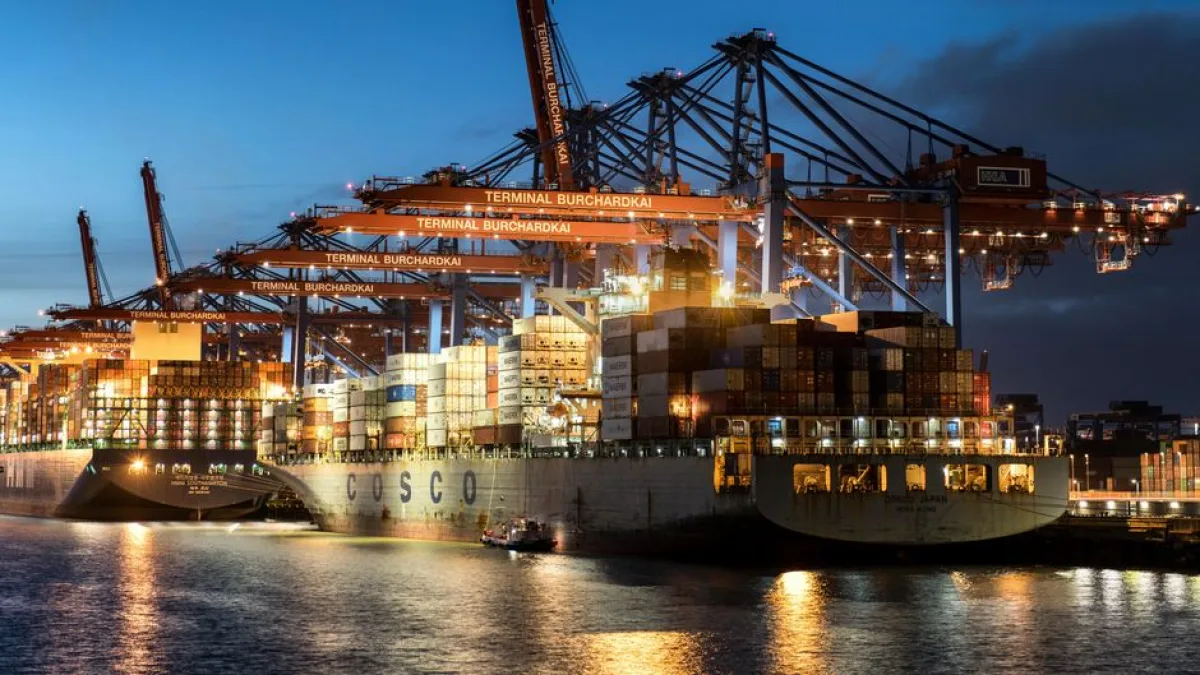
Providing clients with precise shipment status updates is a critical competitive advantage for any logistics provider. High-quality visibility tools enable stakeholders to monitor freight movements throughout every transit leg, ensuring proactive resolution of potential bottlenecks before they impact delivery timelines.
- Real-time Tracking Updates: Utilize automated GPS and carrier tracking feeds to provide your clients with up-to-the-minute visibility regarding their container locations and estimated times of final arrival.
- Predictive Delay Alerts: Leverage artificial intelligence modules to identify potential transit disruptions and notify relevant stakeholders immediately to prevent cascading issues across the entire supply chain.
- Customizable Client Portals: Offer branded tracking interfaces where customers can view their shipment statuses and download relevant documentation without needing to contact your operations team for updates.
- Data-Driven Decision Making: Analyze historical transit data to select the most efficient shipping lanes and carrier partners for your clients based on actual performance and reliability metrics.
Increased transparency is the hallmark of modern service excellence in the freight forwarding industry. When clients can track their own goods and receive early warnings about potential delays, trust and satisfaction levels rise significantly. By utilizing advanced visibility tools, you transform the shipping process into a predictable and reliable experience, positioning your company as an indispensable partner for businesses managing complex logistics requirements.
Navigating Regulatory Compliance Changes

Global trade regulations are frequently evolving to address safety, security, and environmental concerns, creating a complex environment for freight forwarders. Maintaining strict compliance requires access to accurate, up-to-date documentation and automated tools that simplify the filing process and minimize costly errors.
- Automated Compliance Checking: Deploy software that automatically validates shipping documentation against current international trade laws and regional regulations to ensure all shipments meet the necessary legal requirements.
- Electronic Filing Systems: Streamline the customs clearance process by utilizing direct electronic submission tools that connect your freight platform with local government agencies and international port authorities.
- Regulatory Update Notifications: Subscribe to automated digital feeds that provide instant alerts regarding changes to import laws or tax regulations affecting specific trade routes and commodity types.
- Audit Trail Management: Maintain detailed digital records for every shipment to ensure you are fully prepared for sudden compliance audits and can provide documentation whenever it is requested.
Proactive compliance management is essential for avoiding penalties and maintaining a professional reputation in the international shipping industry. By integrating automated regulatory tools into your workflow, you reduce the risk of shipment delays and expensive fines. Staying informed and compliant allows you to focus on delivering high-quality logistics solutions while ensuring that all legal obligations are met with precision and absolute consistency.
Leveraging Data Analytics Tools

Data is the most valuable asset available to modern freight forwarders seeking to improve their profitability and service efficiency. Analyzing shipping patterns and operational costs allows companies to identify hidden opportunities for growth while eliminating inefficient practices that hinder overall productivity and profit margins.
- Cost Structure Analysis: Review your freight spend and carrier performance data to identify areas where operational costs can be lowered through better lane selection or vendor negotiation.
- Performance Metric Tracking: Monitor key performance indicators such as transit times and documentation turnaround speeds to identify specific areas of the business that require further staff training.
- Predictive Capacity Planning: Forecast future freight volume trends using historical data to ensure that you have sufficient carrier capacity ready to meet seasonal demand fluctuations for clients.
- Profitability Assessment Models: Evaluate the net profitability of different client accounts and shipping lanes to determine where your company should focus its marketing and business development efforts.
Turning raw shipping data into actionable insights is the ultimate goal for forwarders wanting to lead the market. When you understand the underlying trends in your operations, you can make smarter decisions that improve your bottom line and boost service quality. Continuous evaluation of these metrics ensures that your business remains agile, efficient, and fully prepared to tackle the future of global logistics.
Conclusion

The freight forwarding industry is rapidly evolving, and embracing cloud technology is the most effective way to remain competitive. By focusing on infrastructure modernization, supply chain visibility, regulatory compliance, and data-driven insights, forwarders can unlock significant operational efficiencies. Now is the perfect time to evaluate your current software stack and take the next step toward a more automated and profitable future for your logistics business.