Navigating the New Era of Digital Freight Forwarding
Saturday, July 25 2026
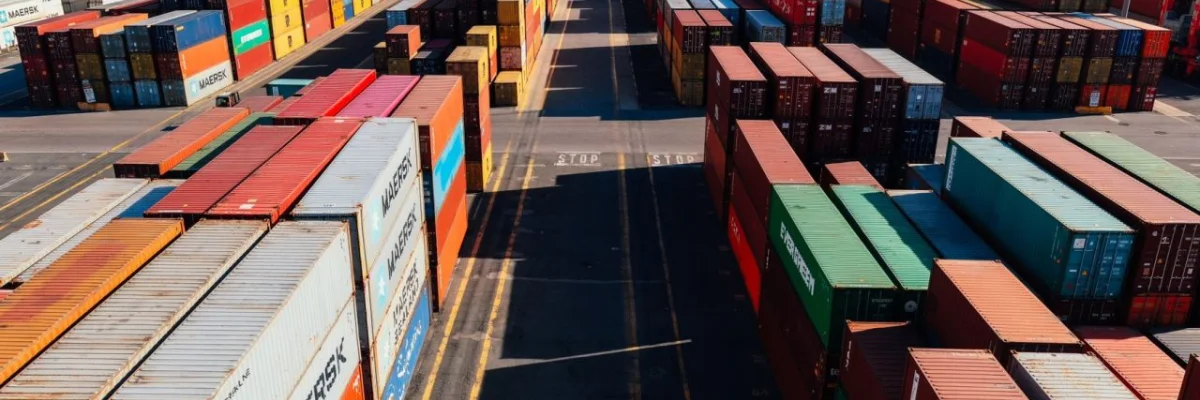
The global logistics landscape is undergoing a profound transformation as digitalization moves from a competitive advantage to a fundamental business necessity. Freight forwarders are increasingly facing pressure to integrate advanced technology to remain relevant in a market that demands real-time visibility and seamless data exchange. As trade complexities rise and supply chain disruptions become frequent, adopting a cloud-based platform is no longer just an operational upgrade. It is a strategic mandate to ensure business continuity, improve customer satisfaction, and drive long-term profitability. Forward-thinking professionals must embrace these digital shifts to survive the current market volatility and secure a sustainable future for their logistics firms.
The Shift to Cloud Infrastructure

Moving legacy systems to the cloud allows teams to access critical shipment data from anywhere in the world. This transition eliminates data silos and empowers remote teams to collaborate effectively while ensuring that information remains secure and accessible across all global departments.
- Improved Data Accessibility: Cloud platforms provide instant access to shipment documentation and tracking updates for all authorized users, ensuring that your team can respond to urgent client inquiries with accuracy.
- Enhanced System Security: Modern software providers invest heavily in cybersecurity measures, protecting your sensitive client data from unauthorized access far better than traditional on-premises server hardware typically manages to do.
- Scalable Operations Growth: Cloud solutions allow businesses to adjust their processing power and storage capacity as they grow, meaning your infrastructure always matches your current operational demands without expensive upgrades.
- Seamless Team Collaboration: Real-time information sharing reduces the manual workload for employees who no longer need to exchange endless emails to confirm shipment statuses or update documentation across various departments.
- Reliable Disaster Recovery: Automated backups and geographically distributed servers ensure that your critical operational data remains safe and recoverable even in the event of unexpected hardware failures or outages.
Transitioning to a cloud-based framework represents a significant turning point for modern freight forwarders looking to optimize their internal processes. By centralizing management, firms can reduce the time spent on administrative tasks and focus on delivering high-quality logistics solutions to their customers. This digital shift ensures that your company remains competitive while providing a stable foundation for scaling operations in global markets.
Automation for Operational Efficiency

Automation is revolutionizing how we handle repetitive tasks, from booking entries to invoice generation. By reducing manual data entry errors and automating workflows, companies can redirect their human resources toward high-value activities like client relationship management and strategic service expansion efforts.
- Reduced Manual Errors: Automated systems eliminate the need for redundant data entry across multiple platforms, significantly reducing the likelihood of costly human mistakes during the complex freight forwarding documentation process.
- Faster Processing Times: Accelerating the flow of information through automated workflows allows shipments to move through customs and documentation stages with minimal delay for the final end customers.
- Standardized Document Handling: Consistent automated templates ensure that all invoices, bills of lading, and customs forms meet industry standards, preventing regulatory issues and reducing the need for revisions.
- Increased Team Productivity: Automating routine tasks allows your staff to focus on solving complex logistical challenges and building stronger relationships, which ultimately leads to better client retention rates.
- Integrated Partner APIs: Direct API connections with carriers and port authorities streamline the communication process, providing your team with real-time updates without the need for manual status checks.
Adopting automation is the most effective way to address the growing volume of international trade without increasing your headcount proportionately. As software handles the repetitive burdens of logistics, your workforce becomes more efficient and agile. Implementing these smart tools today will prepare your firm for the future, allowing you to handle more complex freight requirements while maintaining excellent service levels for clients.
Visibility as a Competitive Advantage
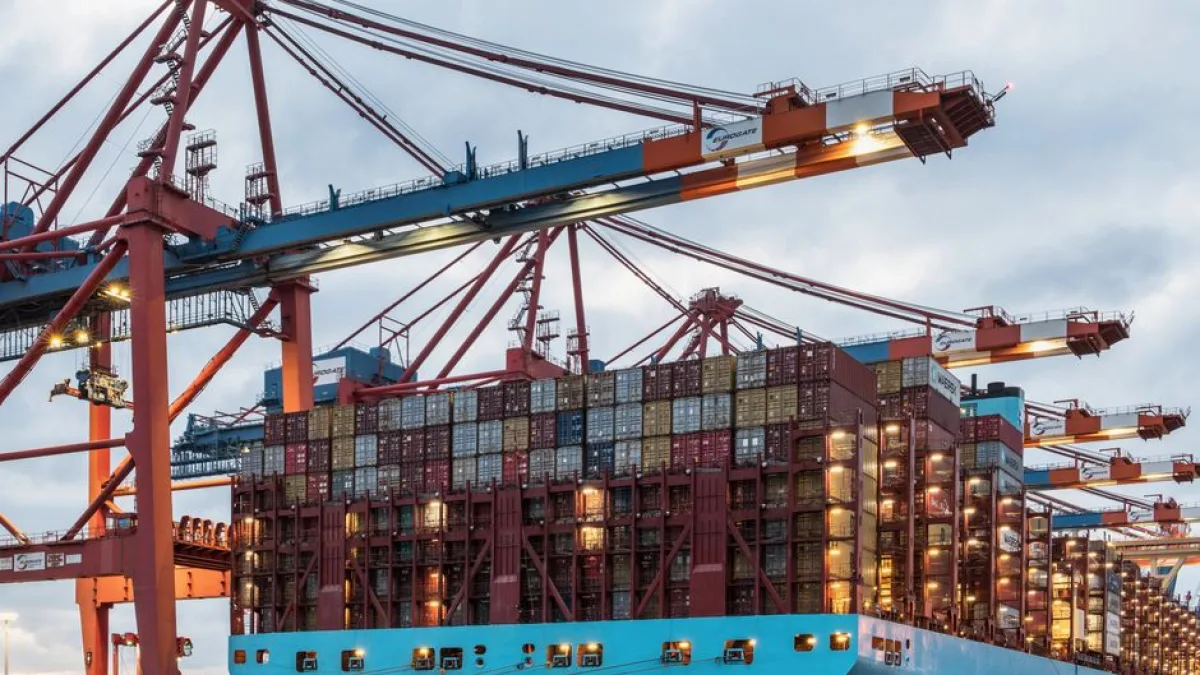
Modern clients demand granular visibility into their supply chains. Providing a transparent view of cargo status from origin to final destination distinguishes leading forwarders from the rest of the market and builds trust through constant, accurate, and proactive communication methods.
- Real-Time Tracking Insights: Modern platforms offer live location updates, allowing your team to proactively manage potential transit delays and communicate changes to clients before they even realize a problem.
- Client Portal Access: Granting customers a personalized dashboard provides them with self-service capabilities, reducing the frequency of status check emails and allowing your team to focus on planning.
- Proactive Exception Management: Identifying bottlenecks early through transparent data flows enables your team to implement contingency plans immediately, ensuring that cargo movement remains as smooth as possible throughout transit.
- Data-Driven Decision Making: Analyzing historical tracking data helps your business identify recurring supply chain issues, allowing you to offer strategic advice to your clients regarding their shipping routes.
- Enhanced Service Branding: Offering branded tracking portals reinforces your professional image, making the entire logistics experience feel like a seamless extension of your company services and values.
Transparency has become a non-negotiable requirement for logistics customers who need to maintain their own inventory levels with high precision. By investing in tools that provide high-fidelity visibility, freight forwarders provide genuine value beyond simple transportation services. This transparency turns your logistics firm into an indispensable partner, helping you secure long-term contracts and build a reputation for reliability in a crowded industry.
The Future of Logistics Connectivity
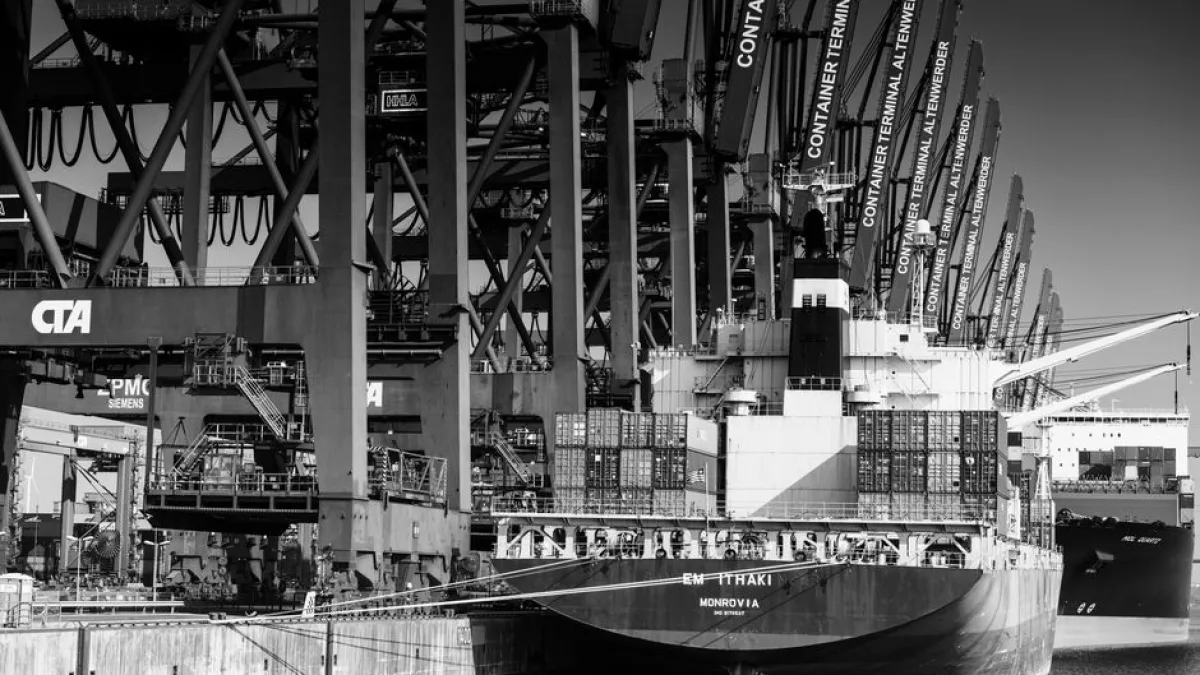
Connectivity is about more than just moving goods, it is about connecting information flows between stakeholders. Building a digital ecosystem where carriers, agents, and shippers communicate through a single platform will be the defining feature of successful freight forwarding firms going forward.
- Connected Global Networks: Integrated platforms allow you to coordinate with international agents and local carriers through a single source of truth, ensuring that every participant stays fully aligned.
- Simplified Regulatory Compliance: Digital connectivity makes it easier to share required customs data with border authorities, which helps your firm stay ahead of changing international trade regulations and requirements.
- Unified Communication Channels: Consolidating all partner and client communication within the platform removes the frustration of chasing information across email chains, messaging apps, and phone calls daily.
- Efficient Cost Management: Centralized financial data makes it easier to monitor profit margins on individual shipments and helps your accounting team manage international payments with greater overall accuracy.
- Strategic Partnership Growth: Using digital platforms to vet and connect with reliable carriers helps your firm build a stronger global network, enabling you to take on complex projects.
The future of the freight forwarding industry belongs to those who prioritize connectivity and information sharing. By breaking down the barriers between different stages of the supply chain, firms can achieve a level of efficiency that was previously impossible. Embracing a unified platform creates a more resilient and flexible business, ready to adapt to whatever challenges the dynamic global trade market presents next.
Conclusion

The rapid digital evolution of the logistics sector presents both significant challenges and massive opportunities for growth. By embracing cloud technology, automation, and full supply chain visibility, forwarders can position themselves as leaders in a high-demand market. Start your transformation today by evaluating your current software capabilities and identifying where you can bridge the gap to a more modern, efficient, and profitable logistics future.