Navigating the New Era of Digital Freight Forwarding Efficiency
Saturday, October 10 2026

The global logistics landscape is undergoing a massive transformation driven by rapid technological adoption and changing consumer expectations. Freight forwarders are increasingly moving away from manual spreadsheets toward cloud-based platforms to maintain a competitive edge. This shift enables real-time visibility, improved communication, and seamless coordination across complex supply chains. As global trade routes evolve, the integration of automation and data-driven insights becomes a critical necessity for businesses aiming to scale operations efficiently. Adopting these modern digital solutions is no longer a luxury but a fundamental requirement for success in today's fast-paced international shipping market environment.
The Rise of Automated Documentation

Automated documentation software eliminates the tedious manual entry processes that often lead to costly human errors and shipment delays. By digitizing paperwork, forwarders can ensure compliance and speed up processing times, keeping global cargo moving smoothly and reliably across borders.
- Reduced Data Errors: Implementing automated systems minimizes mistakes associated with manual typing, ensuring that your commercial invoices, packing lists, and manifests remain perfectly accurate throughout every transit stage.
- Faster Processing Cycles: Digital document management accelerates the entire documentation lifecycle, allowing teams to finalize export requirements quickly and reduce the waiting time at congested port terminals.
- Improved Compliance Tracking: Automated platforms provide instant access to regulatory updates, helping forwarders stay ahead of shifting international trade laws and avoiding heavy fines during customs clearance procedures.
- Seamless Document Sharing: Centralized cloud repositories allow stakeholders to access critical shipping documents instantly, removing the friction associated with email chains and lost attachments in busy offices.
Transitioning to automated documentation provides a solid foundation for operational excellence in the modern freight industry. By removing repetitive manual tasks, your team can focus on higher value strategic initiatives like client relationship management and business growth. These tools act as a central hub for all shipping files, ensuring that transparency and efficiency remain at the forefront of your daily logistics operations moving forward.
Enhanced Visibility and Real-Time Tracking
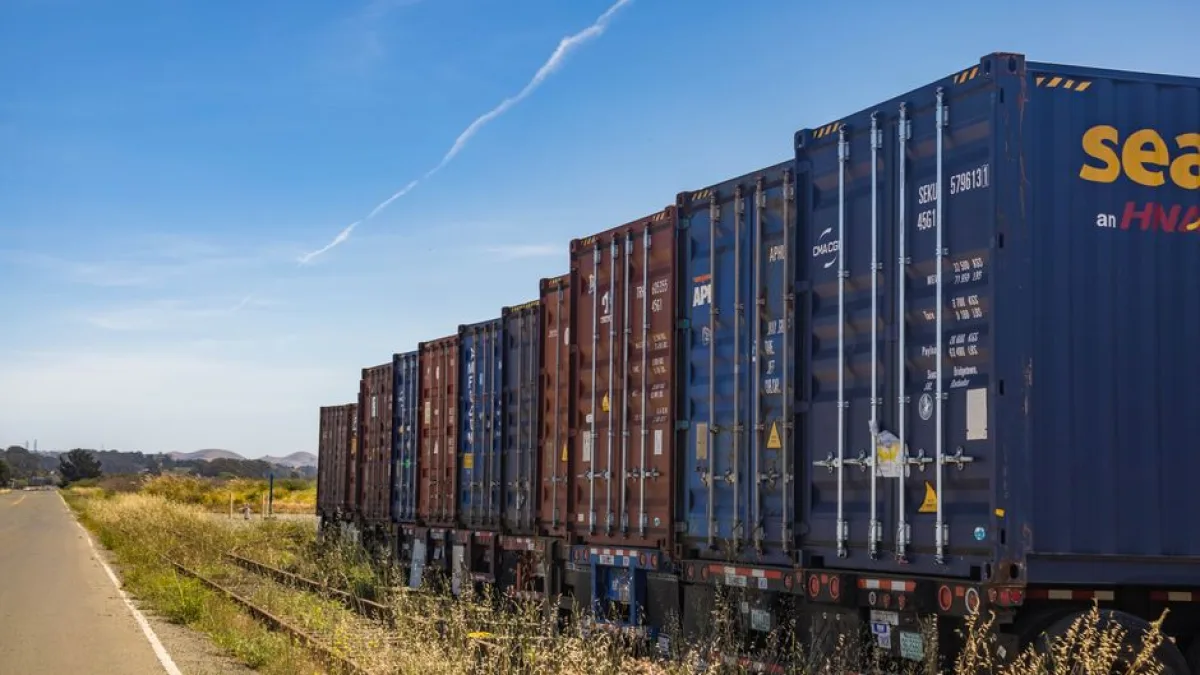
Real-time visibility allows freight forwarders to provide clients with accurate updates on cargo locations and status. Utilizing advanced tracking technologies provides a significant advantage, fostering trust and enabling proactive communication even when unforeseen shipping disruptions or transit delays occur.
- Proactive Problem Solving: Real-time status updates allow logistics teams to identify potential delays early, giving them enough time to reroute shipments and avoid significant supply chain bottlenecks.
- Customer Trust Building: Providing clients with a branded, professional tracking portal enhances the overall customer experience, demonstrating your dedication to transparency and high service quality standards.
- Data Driven Decisions: Detailed analytics gathered from tracking systems help forwarders identify recurring transit issues, allowing for better carrier selection and more efficient long-term route planning strategies.
- Automated Client Alerts: Triggered email notifications keep stakeholders informed about shipment milestones, reducing the volume of inbound inquiries and freeing up your staff to handle more complex tasks.
Visibility serves as the backbone of successful logistics management in today's digital market. When clients know exactly where their cargo is at any moment, anxiety decreases and long term business relationships are strengthened significantly. Investing in robust tracking tools ensures that your company remains a reliable partner, capable of navigating the unpredictable nature of global shipping while consistently delivering superior service results.
Optimizing Warehouse and Inventory Management

Modern inventory management software enables forwarders to monitor stock levels and storage conditions with precision. Integrating these tools into your logistics platform ensures that cargo handling is optimized, space utilization is maximized, and potential damage risks are minimized effectively.
- Space Optimization Techniques: Advanced software helps logistics managers determine the most efficient stacking patterns, effectively increasing storage capacity without the need to expand current physical warehouse facilities.
- Accurate Stock Control: Real-time inventory monitoring prevents common issues like stockouts or overstocking, ensuring that warehouse operations align perfectly with current demand levels and shipping schedules.
- Hazardous Material Handling: Specialized management features track safety protocols for sensitive goods, helping you comply with strict storage regulations and preventing accidental damage to valuable customer cargo.
- Fast Retrieval Systems: Digital mapping of your facility allows warehouse staff to locate specific items instantly, which significantly reduces labor costs and increases daily throughput rates successfully.
Efficiently managed warehouses act as the engine of your freight forwarding enterprise. By leveraging cloud based tools to control inventory and storage, you ensure that every link in the supply chain remains strong and responsive to market changes. These technological improvements result in lower overhead costs and faster turnover times, proving that smart digital investments pay dividends across every aspect of logistics.
The Future of Logistics Automation

The future of the industry lies in the seamless integration of artificial intelligence and machine learning technologies. As freight forwarders look for ways to enhance efficiency, these emerging digital tools will provide deeper insights and further automate the most complex parts of global trade.
- Predictive Capacity Planning: Machine learning algorithms analyze historical shipping data to predict future market trends, helping forwarders secure capacity ahead of peak seasons and changing demand.
- Dynamic Pricing Models: AI-driven software evaluates market rates in real time, allowing companies to offer competitive quotes that reflect current fuel costs and carrier availability accurately.
- Automated Freight Audits: Intelligent systems automatically verify carrier invoices against initial quotes, identifying discrepancies immediately to protect your bottom line and recover lost funds from incorrect billings.
- Scalable Cloud Infrastructure: Cloud-based platforms grow alongside your business, providing the flexibility needed to add new services and enter global markets without expensive hardware upgrades or maintenance.
Embracing these cutting edge developments is essential for staying competitive in a rapidly changing world. By adopting intelligent automation today, you prepare your business for the challenges of tomorrow while increasing overall profitability. Stay focused on your core mission of delivering seamless logistics services, knowing that your digital infrastructure is working in the background to streamline every process for your clients.
Conclusion

The freight forwarding industry is evolving through rapid digital adoption and smarter workflow management. By implementing cloud based tools to handle documentation, tracking, and inventory, professionals can unlock new levels of productivity. Start your digital transformation journey today by evaluating current processes and identifying areas where automation can make the most impact. Together, we can build a more efficient, transparent, and resilient global logistics network.