Navigating the New Era of Freight Forwarding Efficiency
Saturday, October 24 2026
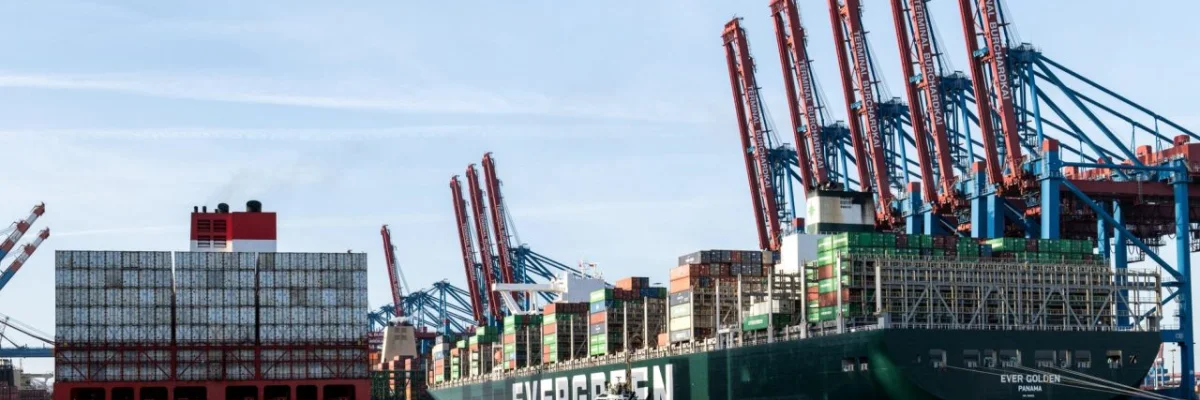
The global logistics landscape is undergoing a profound transformation driven by rapid technological adoption and changing trade demands. As freight forwarders grapple with increased complexity, manual processes and fragmented data silos are no longer viable for firms seeking sustainable growth. Modern software platforms now empower forwarders to unify their operations, providing end to end visibility that was once considered a luxury. This evolution is not merely about digitizing documents but about fundamentally rethinking how information flows between shippers, carriers, and agents. Those who embrace these digital tools today are positioning themselves to lead the competitive market of tomorrow.
Automation in Operations
Automating repetitive operational tasks allows teams to focus on high value activities like strategic planning. By reducing manual data entry, firms minimize human errors and accelerate the speed at which shipments move from booking to final delivery across borders.
- Reduced data errors: Digital integration ensures that shipment details are captured accurately from the source, preventing costly delays and manual reconciliation efforts throughout the entire lifecycle of the cargo.
- Streamlined document workflows: Automated generation of bills of lading and invoices saves hours of administrative time while ensuring full compliance with international maritime and air cargo regulations daily.
- Optimized task management: Intelligent systems assign tasks to the correct team members based on their workload and expertise, ensuring that operational bottlenecks are identified and resolved very quickly.
- Faster customer onboarding: Digital portals allow new clients to start shipping immediately without complex manual setup, creating a seamless experience that builds long term business relationships and trust.
By shifting away from legacy systems and embracing automated workflows, forwarders can significantly increase their throughput without adding more headcount. This scalability is essential for handling the spikes in volume that often define modern supply chains. With software handling the administrative burden, your team gains the clarity needed to make informed decisions that improve overall service quality for your global client base.
Real Time Shipment Visibility

Visibility serves as the backbone of modern freight forwarding, providing stakeholders with instant updates on cargo location and status. Knowing exactly where inventory sits allows forwarders to manage exceptions proactively and keep their customers informed at every stage.
- Proactive status alerts: Automated notifications provide timely updates on shipment progress, allowing your team to inform clients of potential delays before they impact the final delivery schedule significantly.
- Improved carrier performance: Monitoring carrier transit times helps you select the best partners for specific trade lanes based on actual performance data rather than just initial price quotes.
- Enhanced client trust: Offering a transparent tracking dashboard gives your shippers the confidence that their goods are safe, which fosters loyalty and increases client retention over time.
- Data driven decisioning: Aggregated tracking data helps identify common points of congestion in the supply chain, allowing for smarter route planning to avoid future delays in transit.
Visibility is no longer a perk but a fundamental requirement for modern freight forwarders competing globally. Clients expect granular updates that reflect the reality of their supply chain movements. By implementing a cloud platform that tracks every milestone, you shift your value proposition from being a simple service provider to becoming a strategic partner capable of mitigating risks and ensuring reliability in logistics.
Financial Integrity and Control

Effective financial management is crucial for maintaining healthy profit margins in a low margin industry. Integrated systems ensure that every charge is accounted for, preventing revenue leakage and simplifying the complex billing cycles inherent in global freight forwarding.
- Automated billing cycles: Systems automatically generate invoices based on defined rate cards, reducing the time between job completion and payment while ensuring all accessorial charges are included correctly.
- Accurate profit analysis: Real time reporting gives managers a clear view of profitability per shipment, lane, or client, allowing for better negotiation and strategic planning for future growth.
- Streamlined currency management: Handling multi currency transactions becomes effortless with automated exchange rate updates, ensuring your financial reporting remains accurate even when dealing with diverse international markets daily.
- Optimized credit control: Integrated modules track outstanding payments and automate follow ups, ensuring that cash flow remains consistent and operational health is maintained throughout the fiscal year.
Maintaining tight control over financial data is essential to the long term survival of any freight forwarding business. When billing is manual and fragmented, errors become inevitable and costs climb rapidly. Moving to an integrated financial platform protects your bottom line by ensuring that every dollar earned is tracked. This level of oversight provides the stability needed to invest in further innovation.
Scaling Through Cloud Technology

Cloud technology has democratized access to powerful tools, allowing firms of all sizes to scale operations effectively. By centralizing operations in the cloud, businesses gain the flexibility to work from anywhere while maintaining absolute control over their entire global data structure.
- Anywhere team access: Cloud platforms enable remote and hybrid work models, allowing your staff to manage shipments from any location without being tethered to a physical office space.
- Unlimited system scalability: As your transaction volume grows, the cloud infrastructure expands automatically to handle the extra load without requiring expensive hardware upgrades or system downtime for maintenance.
- Advanced data security: Professional cloud providers offer superior security compared to on premise servers, protecting your sensitive client data from cyber threats with continuous updates and robust encryption.
- Instant system updates: Software improvements are deployed automatically across your platform, ensuring your business always benefits from the latest features and compliance updates without manual IT interventions.
Embracing the cloud represents a strategic shift toward a more agile and resilient business model. It removes the physical constraints that have historically limited the reach of independent freight forwarders. By centralizing your operations online, you gain a unified view of your business that facilitates smarter growth. As the market continues to evolve, your cloud foundation ensures you remain ready for every future challenge.
Conclusion

The future of freight forwarding belongs to companies that prioritize digital transformation and operational agility. By integrating automation, visibility, financial control, and cloud scalability, your firm can overcome the hurdles of modern logistics. Now is the time to evaluate your current processes and adopt software that supports long term success. Leverage these tools to build a stronger, more efficient, and customer focused freight forwarding business today.