Essential Strategies to Optimize Your Freight Forwarding Operations
Wednesday, July 22 2026
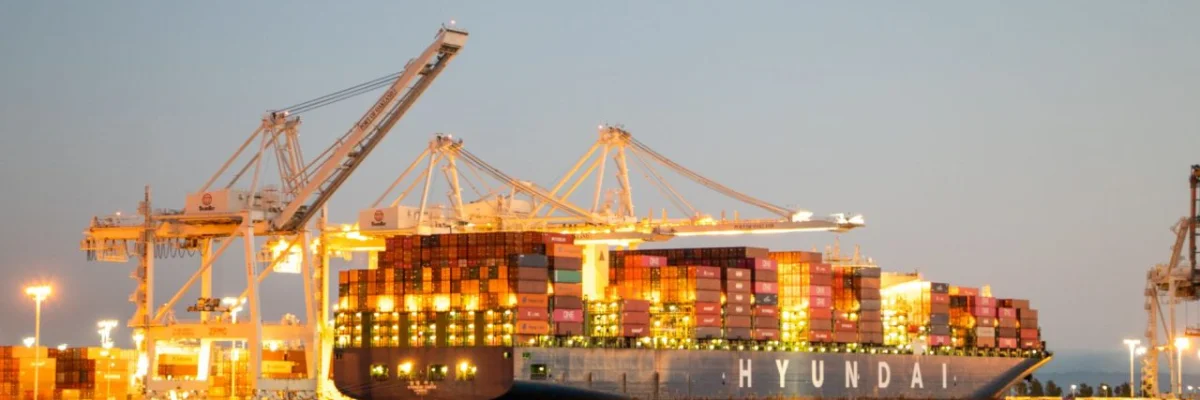
Modern freight forwarding requires a delicate balance between technical precision and rapid communication. As global trade becomes increasingly volatile, the ability to manage documentation, carrier relationships, and customer expectations in real time defines the success of a logistics provider. By integrating cloud technology and standardized workflows, forwarders can eliminate manual bottlenecks that hinder growth and profitability. This article examines the core practices that allow high-performing teams to scale their operations while maintaining service quality. Adopting these refined strategies will empower your organization to navigate complex supply chains with greater transparency and speed, ultimately driving better outcomes for your global shipping clients.
Mastering Automated Documentation

Automation in documentation reduces errors caused by manual data entry while speeding up the processing time for bills of lading and invoices. By digitizing paperwork, forwarders gain a centralized source of truth that simplifies compliance and improves audit readiness for every shipment.
- Centralized Data Entry: Eliminating repetitive manual tasks across your team ensures that information remains consistent and reduces the risk of costly data entry mistakes that impact your final delivery timelines.
- Automated Compliance Checks: Implementing automated validation for customs documentation ensures that every submission meets international regulatory standards, preventing delays at borders and reducing the stress of unexpected regulatory compliance audit penalties.
- Real-time Document Access: Providing your entire operations team with instant access to documents allows for faster customer responses, which significantly increases overall satisfaction and operational transparency throughout the entire lifecycle.
- Cloud Storage Security: Utilizing encrypted cloud storage solutions for your critical business files protects sensitive information from physical damage or theft, ensuring your operations remain resilient against any potential disaster.
Transitioning from paper-heavy processes to a digital-first approach is essential for modern competitiveness. By leveraging software that supports automated workflows, your team spends less time on administrative burdens and more time on high-value logistics strategy. Consistent documentation practices ensure that your company remains reliable even when shipment volumes fluctuate, setting a strong foundation for your long-term success in the global marketplace.
Optimizing Vendor Management
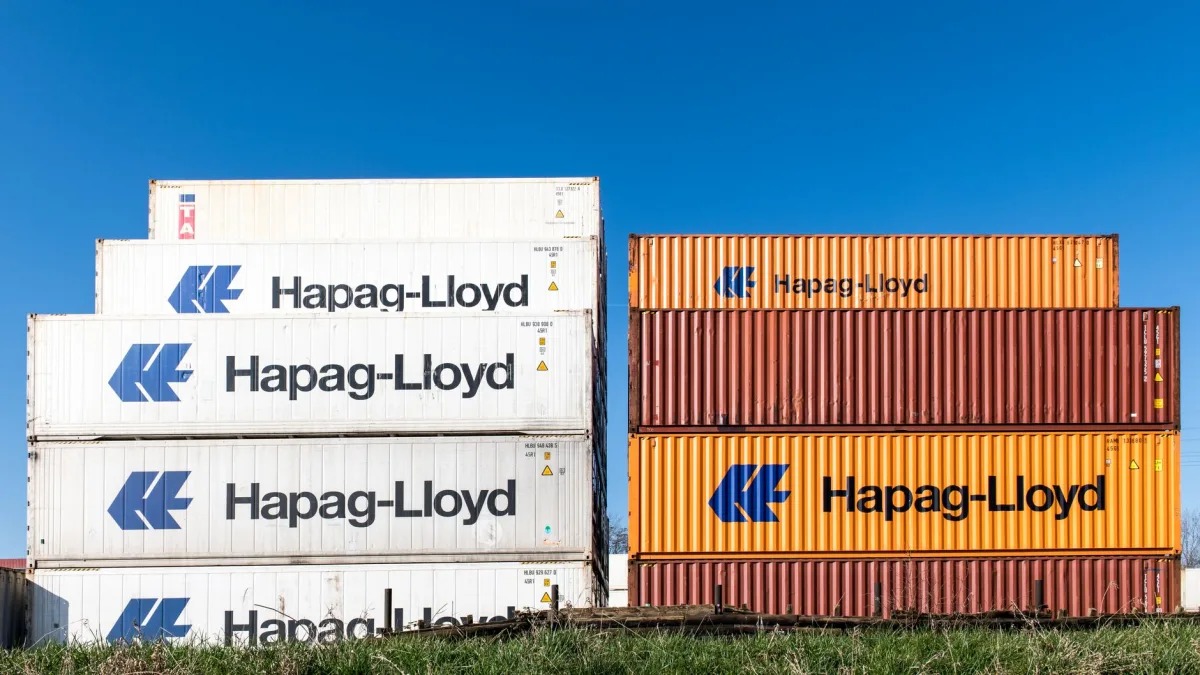
Strong relationships with ocean, air, and road carriers allow forwarders to secure better rates and prioritize cargo space during peak seasons. Effective vendor management relies on clear communication channels and data-backed performance reviews to maintain high service levels for all clients.
- Performance Tracking Metrics: Regularly monitoring carrier performance using historical data allows you to identify which partners provide the best reliability and transit times for your specific cargo routing needs.
- Standardized Communication Protocols: Establishing clear guidelines for how your team interacts with carriers prevents misunderstandings and ensures that booking confirmations and status updates are received in a predictable manner.
- Competitive Rate Auditing: Frequently reviewing carrier pricing against market benchmarks enables you to negotiate better agreements and pass cost savings to your clients while protecting your firm profit margins.
- Building Strategic Partnerships: Developing deep relationships with key regional partners creates opportunities for flexible solutions during supply chain disruptions, allowing you to move freight efficiently regardless of the global conditions.
Vendor management is rarely just about pricing; it is about building a reliable ecosystem that supports your business goals. By treating your carriers as partners rather than commodities, you ensure better service and improved resilience during market challenges. Investing time in these relationships pays dividends when cargo capacity is tight, providing your clients with the consistent and high-quality service they rightfully expect.
Improving Client Communication

Proactive updates keep customers informed and build trust, even when shipments face unavoidable delays. Using a cloud-based portal for self-service tracking minimizes the need for routine status emails, allowing your team to focus on resolving complex issues for your clients.
- Transparent Tracking Portals: Giving clients direct access to their shipment status through a secure portal provides the real-time visibility they demand while reducing your team administrative burden significantly.
- Automated Milestone Alerts: Setting up system-triggered notifications keeps your customers updated automatically at every key milestone, ensuring they feel supported without requiring manual intervention from your logistics team members.
- Responsive Support Channels: Organizing customer inquiries into a ticketing system ensures that no request goes unanswered, helping your team maintain high service standards while managing high volumes of interactions.
- Clear Issue Resolution: When delays occur, communicating transparently and offering actionable solutions helps maintain client trust and demonstrates your expertise in managing the complexities of global logistics operations.
Communication is the cornerstone of client retention in the freight industry. By shifting from reactive updates to proactive status notifications, you differentiate your brand in a crowded market. Empowering customers with self-service tools while providing expert human support when necessary creates a balanced experience that fosters long-term loyalty and reduces the daily pressure on your operations staff members.
Leveraging Real-time Analytics

Data analytics turn historical shipping information into actionable insights that guide your future operational decisions. By analyzing shipment trends, forwarders can forecast capacity needs and identify potential bottlenecks before they escalate into major issues that disrupt your clients and profit.
- Trend Identification Analysis: Reviewing historical shipping data helps you spot recurring patterns in transit times or costs, allowing you to adjust your routing strategies to improve future performance outcomes.
- Financial Reporting Tools: Detailed analytics regarding cost-to-serve metrics enable your firm to evaluate profitability by customer or route, helping you focus resources on the most sustainable and lucrative operations.
- Operational Bottleneck Detection: Identifying recurring delays in your supply chain allows for targeted process improvements, ensuring your team can operate at peak efficiency throughout every stage of movement.
- Capacity Forecasting Models: Using data to predict seasonal demand spikes ensures you can secure necessary cargo space well in advance, protecting your clients from market volatility and rate.
Data-driven decision making is what separates industry leaders from those merely reacting to daily crises. By embedding analytics into your core processes, you gain a clear view of your business health and identify areas for rapid growth. Use these insights to refine your internal operations continuously, ensuring your freight forwarding firm remains agile, profitable, and highly effective in a competitive market.
Conclusion

Achieving excellence in freight forwarding requires a commitment to constant improvement and the smart application of modern logistics software. By automating your documentation, optimizing vendor relations, improving client communication, and utilizing deep data analytics, you build a resilient business that thrives in any climate. Start implementing these best practices today to streamline your workflows, satisfy your clients, and secure your long-term industry success.