Essential Strategies to Optimize Your Freight Forwarding Operations
Friday, September 4 2026

Modern freight forwarding requires a delicate balance of speed, accuracy, and client communication. As global trade becomes increasingly complex, professionals must leverage advanced digital tools to stay competitive in a crowded market. By streamlining internal workflows and adopting cloud-based solutions, forwarders can significantly reduce operational bottlenecks that lead to delays and cost overruns. This guide explores four critical areas where forwarders can refine their strategies to improve efficiency, ensure regulatory compliance, and deliver superior service to shippers. Adopting these best practices will help your business scale effectively while maintaining the reliability that your clients demand in today's fast-paced logistics environment.
Digitizing Documentation Workflows

Transitioning from manual paperwork to digital document management is a fundamental step for any growing logistics firm. By automating data entry and storage, your team can avoid costly transcription errors while ensuring that critical shipping documents remain accessible to authorized stakeholders.
- Centralized Document Storage: Move all your bills of lading and invoices to a secure cloud database to ensure that every team member can access updated information instantly from anywhere.
- Automated Data Extraction: Use software to pull data directly from incoming documents into your system, which eliminates manual input errors and saves your staff valuable time daily.
- Seamless Sharing Protocols: Implement standardized portals where partners can retrieve necessary shipping documents without waiting for email attachments, which keeps your operations running at maximum speed.
- Enhanced Security Layers: Protect sensitive client data and financial records by using encrypted cloud platforms that offer robust protection against cyber threats and unauthorized data access attempts.
- Version Control Tracking: Maintain a clear history of all document modifications so your team can resolve discrepancies faster and ensure that everyone uses the latest shipping information.
By shifting to a fully digital environment, your agency effectively eliminates the risks associated with paper based processes. This transition allows your staff to focus on higher value tasks rather than managing physical files. You will notice faster processing times for customs clearance and improved client satisfaction scores almost immediately. Investing in digitization today is the smartest way to ensure long term operational excellence for your forwarder.
Optimizing Carrier Management
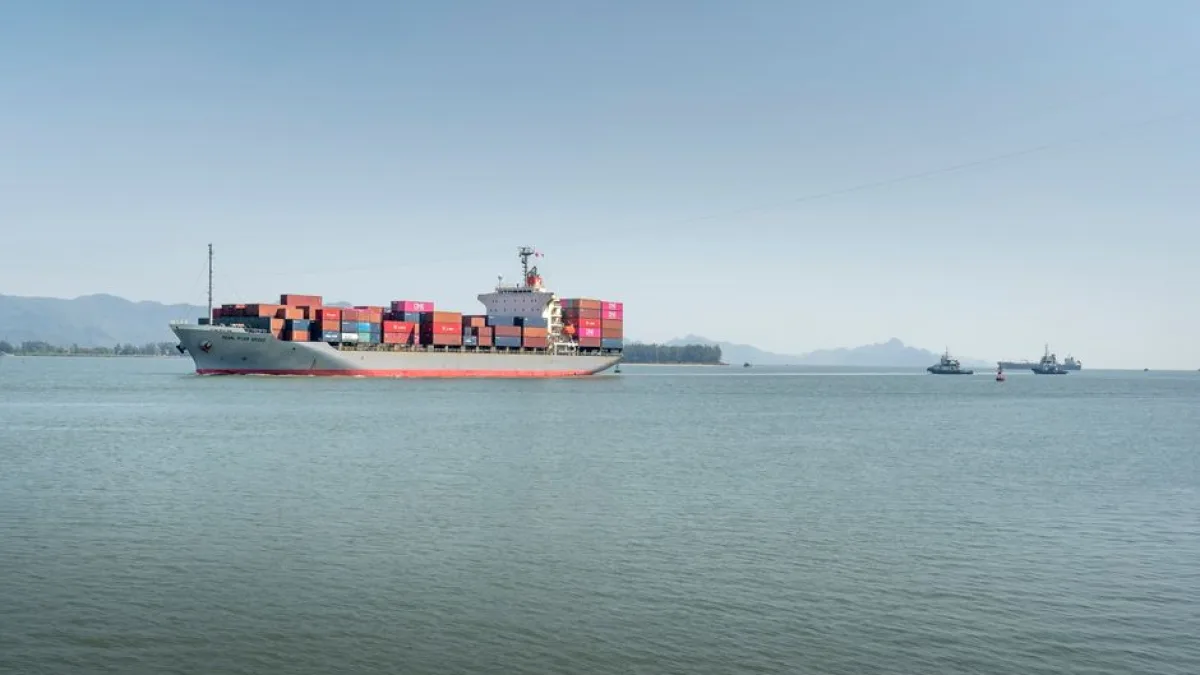
Managing multiple carrier relationships is a core competency that determines your agency's reliability. By using digital platforms to track performance metrics, you can identify which shipping lines offer the best balance of transit speed and cost efficiency for your needs.
- Performance Analytics Dashboards: Utilize real time data to evaluate carrier reliability metrics, allowing you to make informed decisions when selecting partners for your most critical client shipments.
- Centralized Rate Management: Organize all your carrier quotes into one accessible database so you can compare prices quickly and provide competitive estimates to shippers within minutes.
- Automated Booking Updates: Synchronize your booking systems with carrier schedules to receive automatic notifications, ensuring you always have accurate information to pass along to your customers.
- Conflict Resolution Tools: Log every issue or dispute in a shared system so you can identify recurring service failures and address them directly with your regional carrier representatives.
- Strategy Driven Partnerships: Build stronger long term alliances with high performing carriers by sharing data that helps both parties optimize routes and reduce overall empty container movements.
Building a data driven approach to carrier management transforms how you handle complex logistics chains. You gain the ability to predict delays and adjust plans before they impact the final delivery schedule. When you maintain transparent relationships with carriers, you secure better priority during peak seasons. This strategic oversight creates a competitive advantage that helps your agency consistently meet customer delivery expectations every time.
Enhancing Customer Transparency

Transparency is the most effective way to build long term trust with your shippers. Providing real time tracking updates and clear communication channels helps your clients feel informed throughout the entire lifecycle of their cargo movement from origin to destination.
- Real Time Tracking: Offer your clients access to a live tracking portal where they can view the exact status of their shipments without needing to contact support.
- Automated Status Alerts: Send proactive notifications whenever a cargo milestone is reached, which keeps your clients informed and reduces the volume of repetitive status check inquiries.
- Transparent Cost Structures: Use your platform to break down all hidden fees clearly so your clients understand exactly what they are paying for in every shipment.
- Dedicated Messaging Channels: Facilitate direct communication between clients and your operations team through a secure portal to prevent critical information from being lost in email.
- Feedback Collection Loops: Use digital surveys after each shipment to gather actionable insights that help you understand what your clients value most during their logistics experience.
When you provide superior visibility, you empower your customers to manage their own supply chains more effectively. This transparency turns a standard transaction into a partnership based on mutual trust and reliability. Clients who see your commitment to honest communication are far more likely to return for future business. Use these tools to differentiate your service from other forwarders in the market.
Streamlining Financial Processes

Managing cash flow and invoices is often the most time consuming aspect of freight forwarding. Integrating financial software with your logistics platform allows you to automate invoicing and collections, ensuring that your business remains healthy and free from liquidity gaps.
- Instant Invoice Generation: Automatically generate accurate invoices the moment a shipment is marked as complete, which helps your accounting team collect payments much faster than before.
- Automated Payment Reminders: Set up triggered emails that gently remind clients of upcoming deadlines, reducing the time your staff spends chasing down overdue accounts and unpaid invoices.
- Currency Conversion Automation: Integrate live exchange rates into your quoting system to avoid losses due to market fluctuations when managing international shipments for your global clients.
- Expense Tracking Tools: Map every specific cost to a shipment file so you can analyze your profit margins and identify areas where expenses are higher than expected.
- Financial Reporting Insights: Generate monthly reports that summarize your revenue and outstanding balance trends, giving you the clarity needed to make smarter business growth investments.
Efficient financial operations keep your logistics company agile and prepared for market fluctuations. By automating the mundane tasks of billing and tracking expenses, your team avoids the common errors that often lead to disputes with customers or carriers. You will enjoy a much faster turnaround on cash flow, providing the capital necessary to expand your services or upgrade your infrastructure for growth.
Conclusion

Implementing these operational strategies will position your freight forwarding business for sustainable growth in a competitive digital landscape. By prioritizing digital documentation, strong carrier partnerships, transparent communication, and automated financial workflows, you create a robust foundation for success. Focus on integrating these best practices gradually to ensure your team adapts effectively. Now is the perfect time to modernize your processes and achieve lasting operational excellence.