Optimizing Air Freight Logistics for Modern Freight Forwarders
Saturday, August 22 2026

The air freight landscape is evolving at an unprecedented pace as global supply chains demand speed, precision, and transparency. For professional freight forwarders, managing high-value or time-sensitive cargo requires more than just standard booking procedures; it demands a strategic integration of digital tools and real-time data monitoring. By leveraging cloud-based platforms, forwarders can effectively navigate complex customs regulations, volatile capacity shifts, and the increasing need for end-to-end visibility. This article explores essential strategies to elevate your air freight operations, ensuring your team remains competitive, efficient, and capable of delivering exceptional value to clients while maintaining profitability in a demanding marketplace.
Mastering Capacity Management
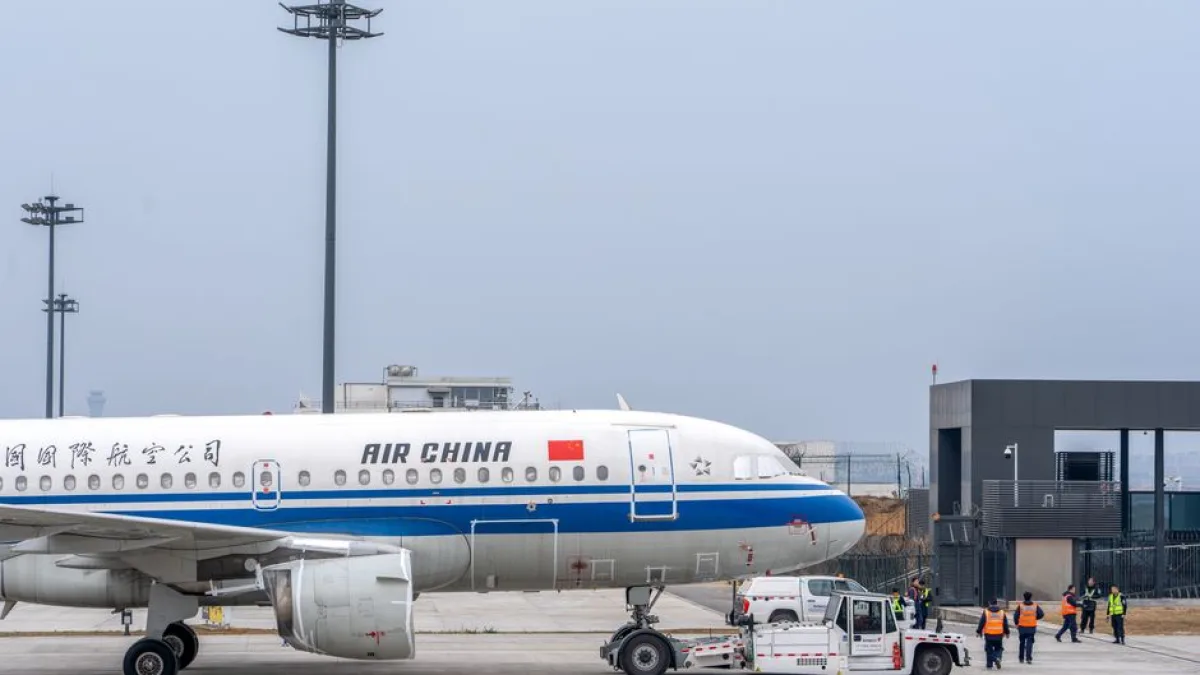
Efficient capacity management is the backbone of successful air freight operations. Forwarders must actively monitor airline schedules and space availability to avoid costly last-minute bookings. Utilizing automated software allows teams to secure space early while maintaining flexibility to adjust to changing shipment volumes.
- Proactive space booking: Secure critical capacity on major trade lanes by leveraging predictive analytics that forecast seasonal demand surges and prevent potential bottlenecks in your supply chain schedule.
- Carrier performance tracking: Monitor airline reliability metrics regularly to ensure that chosen partners consistently meet your service level agreements while maintaining competitive pricing for your valuable freight clients.
- Dynamic rate management: Update your pricing models in real-time based on fluctuating fuel surcharges and market demand to ensure your service offerings remain profitable and highly attractive.
- Automated space alerts: Configure your cloud system to notify you immediately when carrier availability changes, allowing for rapid decision-making that keeps your high-priority shipments moving forward seamlessly.
Optimizing how you manage air cargo space directly impacts your bottom line. By transitioning from reactive manual processes to automated, data-driven systems, your team gains a distinct edge. This shift reduces the risk of missed flights and eliminates inefficient communication gaps between your agents and carrier representatives, ultimately fostering stronger relationships and ensuring that your clients receive the reliable service they expect every single time.
Digital Customs Compliance

Navigating the intricate world of international customs is a significant hurdle for air freight forwarders. Digitizing your documentation processes minimizes human error and speeds up clearance times, allowing shipments to move through airports without unnecessary delays or complicated administrative compliance setbacks.
- Automated document filing: Streamline your customs entries by using integrated digital platforms that automatically populate required forms, reducing manual data entry errors and ensuring total regulatory compliance.
- Real-time status updates: Provide clients with instant visibility into their shipment clearance status, which builds immense trust and keeps all stakeholders informed during the critical transit process.
- Customs data accuracy: Implement rigorous validation checks within your software to catch discrepancies in commercial invoices or packing lists before they trigger costly inspections or cargo holds.
- Regulatory change alerts: Stay ahead of global trade policy updates by using software that pulls in current compliance requirements, ensuring your shipments always meet international safety standards.
Transforming your approach to customs management is essential for operational speed. When documentation flows smoothly through digital channels, the bottleneck at customs check-points effectively vanishes. By investing in these technology solutions today, your agency secures a competitive advantage, avoids hefty fines from non-compliance, and creates a reputation for reliability that will attract high-volume shippers looking for consistent and professional air freight partners.
Enhancing Real-time Visibility

Modern clients demand to know where their cargo is at every stage of the journey. Achieving full visibility in air freight requires connecting your backend operations with real-time tracking data, turning complex logistical events into clear, actionable insights for your customers.
- Integrated tracking modules: Connect your logistics platform directly to carrier tracking systems to provide your clients with transparent, minute-by-minute updates on their current air freight transit status.
- Automated milestone notifications: Send proactive emails or text alerts to your customers whenever a shipment reaches a major checkpoint, effectively reducing the need for manual status queries.
- Exception management tools: Identify potential disruptions early through automated monitoring systems, allowing you to proactively communicate with clients and propose alternative solutions before issues become major problems.
- Unified dashboard views: Give your operations team a single source of truth by consolidating tracking data from multiple carriers into one intuitive, easy-to-read digital dashboard interface.
Achieving total transparency builds lasting trust and transforms the client experience from stressful to seamless. When forwarders proactively share data, they empower their clients to manage their own inventories more effectively. Adopting these advanced visibility tools not only saves your team time spent on status calls but also positions your company as a modern, tech-forward leader in the global air freight industry.
Strategic Warehouse Optimization
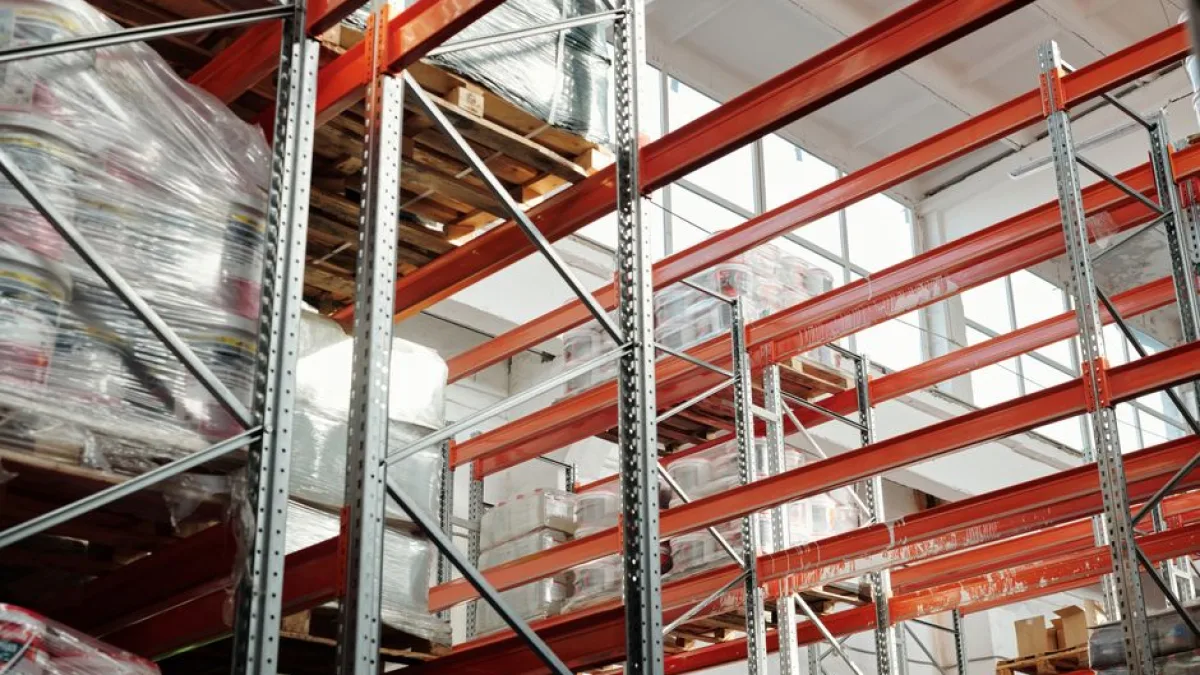
Airport warehouses are high-pressure environments where speed is everything. By optimizing how your cargo is received, processed, and loaded, you can drastically reduce dwell times and ensure that shipments meet the tight connection windows typical of international air freight schedules.
- Streamlined cargo intake: Implement barcode scanning systems at the point of receipt to ensure accurate weight and dimension data is captured immediately, preventing billing errors and delays.
- Efficient load planning: Use digital tools to calculate optimal loading patterns, ensuring that cargo is palletized safely and correctly to comply with strict aviation security and weight regulations.
- Secure cargo handling: Employ rigorous tracking for high-value goods using RFID or secure scanning protocols, which protects your shipments and provides documented proof of safe handling.
- Workflow bottleneck analysis: Track the time spent at each warehouse stage to identify recurring delays, enabling you to refine your processes and improve overall operational efficiency levels.
Optimizing warehouse operations is the final piece of the air freight efficiency puzzle. When your ground handling processes are aligned with your booking and compliance workflows, you create a cohesive logistics ecosystem. This internal harmony translates into faster turnaround times, lower operational costs, and a significantly higher volume of successful on-time deliveries, cementing your status as a premier provider in the air freight market.
Conclusion
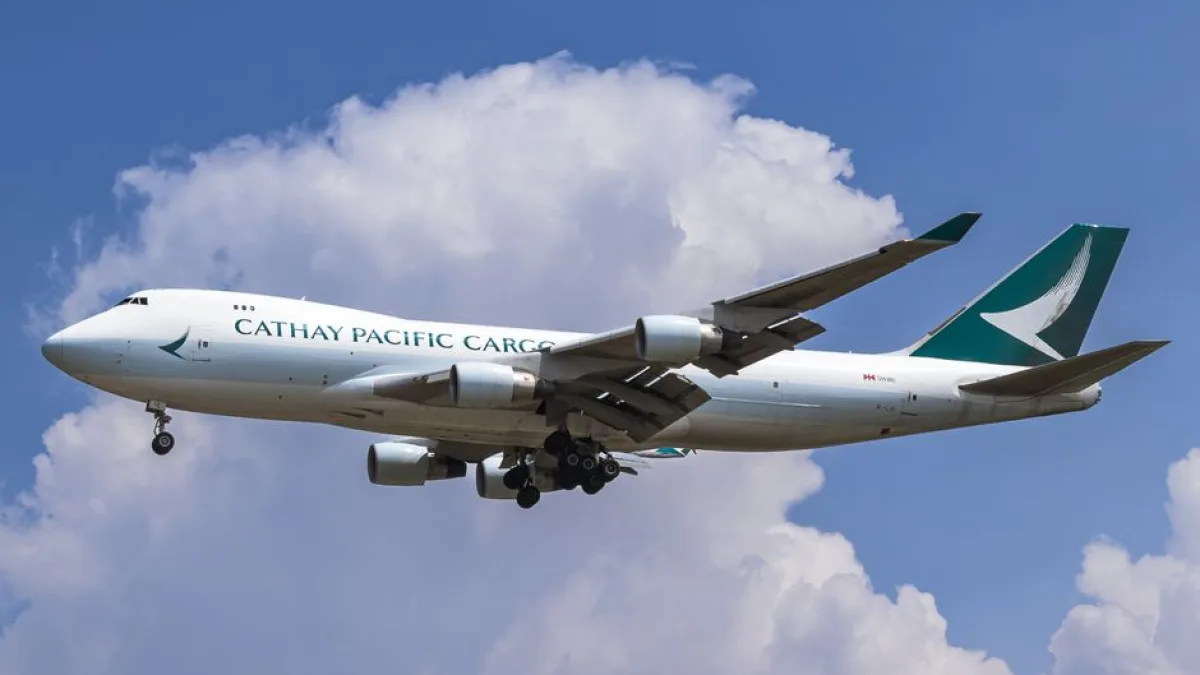
Mastering air freight requires a combination of smart technology, proactive planning, and efficient operational workflows. By digitizing your customs, visibility, and warehouse processes, your freight forwarding business can navigate global complexities with ease. Stay committed to continuous improvement and leverage cloud-based platforms to stay ahead of the curve. Your dedication to efficiency and transparency will ensure long-term growth and success in the air freight industry.