Optimizing Air Freight Logistics for Modern Freight Forwarders
Tuesday, August 25 2026

The global supply chain landscape is shifting rapidly, requiring freight forwarders to adopt agile strategies to maintain a competitive edge. Air freight remains the fastest mode of international transport, yet it presents unique challenges regarding cost management, complex documentation, and real-time tracking requirements. As businesses demand greater speed and reliability, the integration of cloud-based platforms becomes essential for managing high-value shipments efficiently. By leveraging digital tools to automate manual processes and provide end-to-end visibility, forwarders can minimize delays, reduce human error, and deliver exceptional value to their clients while navigating the intricacies of modern aviation logistics in a fast-paced environment.
Mastering Air Cargo Capacity
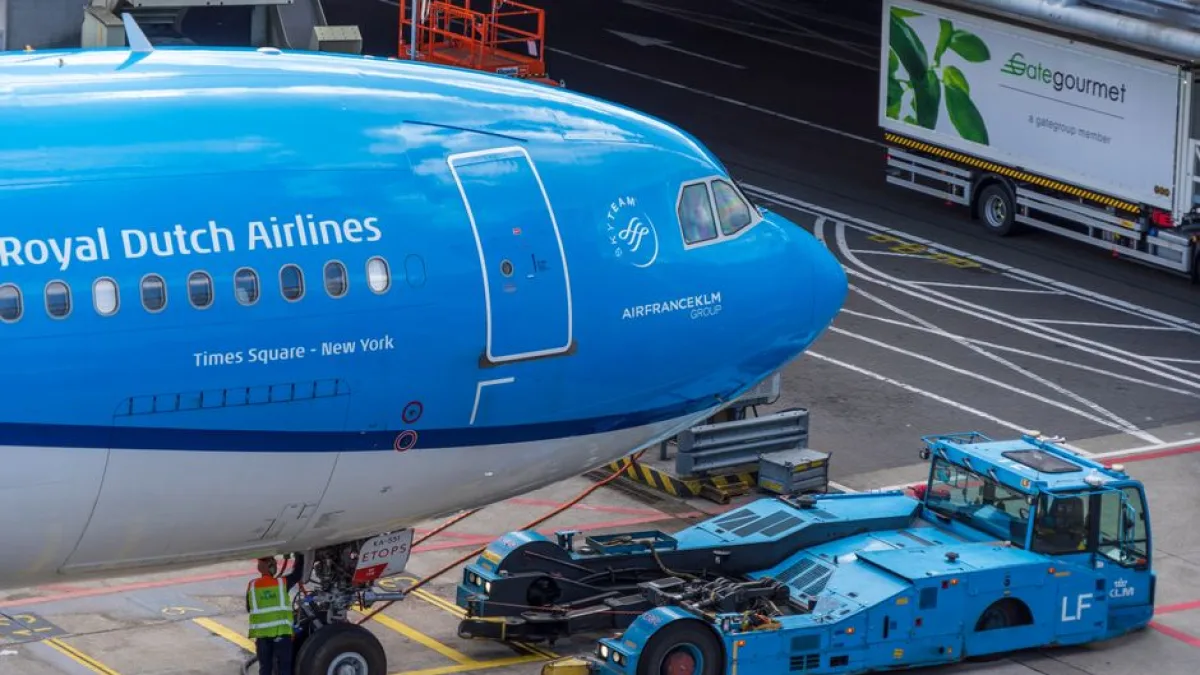
Optimizing capacity planning allows forwarders to navigate volatile market fluctuations and space shortages effectively. By leveraging data analytics, you can predict seasonal demand spikes and secure airline space well in advance, ensuring that your clients maintain their essential production timelines consistently.
- Strategic capacity planning: Analyze historical volume data to predict upcoming surges in demand and secure block space agreements with major airlines to protect your margins during peak shipping seasons.
- Dynamic route optimization: Evaluate alternative flight paths and hub connections to reduce transit times and avoid congested airports, ensuring a smoother flow for time-sensitive high-value electronic and pharmaceutical goods.
- Carrier performance metrics: Monitor carrier reliability and historical transit times to make informed booking decisions that minimize the risk of costly delays and potential service failures for critical shipments.
- Real-time space monitoring: Utilize cloud platforms to receive automated alerts on available space and price changes, allowing your team to adjust booking strategies instantly to avoid expensive spot rates.
Efficient space management transforms how you handle urgent shipments, turning potential logistics bottlenecks into reliable service offerings. By maintaining clear communication with airline partners and utilizing automated booking tools, your firm can navigate capacity constraints with confidence. This proactive approach not only optimizes operational costs but also builds stronger relationships with shippers who depend on your ability to deliver results under tight constraints.
Digital Transformation in Documentation

Automating documentation processes significantly reduces the administrative burden associated with air waybills and customs declarations. Moving away from manual entry eliminates recurring errors, ensures regulatory compliance, and accelerates the movement of goods from warehouses to airport terminals without unnecessary paperwork delays.
- Automated documentation workflows: Implement software that automatically generates accurate air waybills and shipping labels, reducing the time your team spends on repetitive data entry and administrative filing tasks.
- Customs compliance integration: Connect your digital platform directly with customs authorities to submit electronic declarations, ensuring faster clearance and reduced risk of inspections or penalties during transit.
- Standardized data exchange: Adopt industry-standard electronic data interchange protocols to synchronize information seamlessly between shippers, airlines, and your internal team for improved operational accuracy throughout processes.
- Digital document archiving: Maintain a centralized cloud repository for all shipment-related paperwork, ensuring easy retrieval during audits and providing instant access to critical records for your logistics team.
When you digitize your documentation flow, you create a transparent audit trail that enhances reliability and speed. Reducing manual intervention decreases the likelihood of common clerical mistakes that often hold up cargo at airport customs desks. As a result, your team spends less time fixing errors and more time managing client expectations, ultimately improving the speed at which your freight crosses international borders.
Enhancing Shipment Visibility
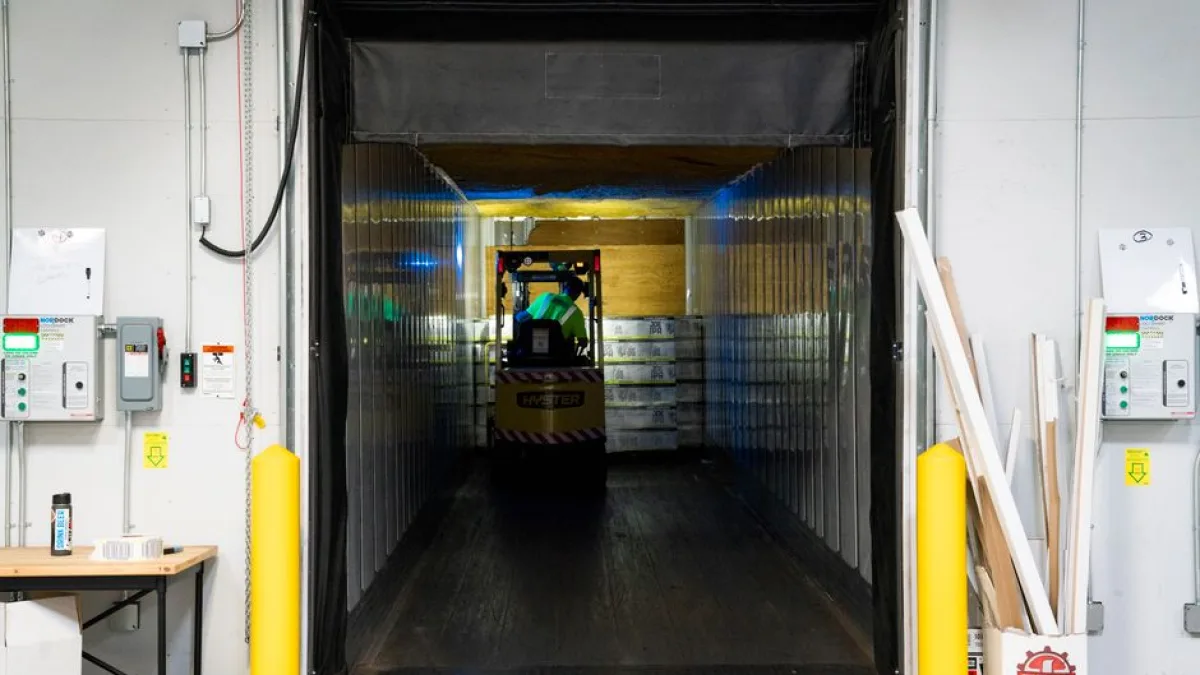
True visibility provides freight forwarders with the ability to anticipate disruptions before they impact the final delivery schedule. By implementing tracking technology that connects directly to airline milestones, you gain a clear view of your shipment status, allowing for proactive communication.
- Automated status updates: Integrate tracking software that provides real-time milestone notifications, keeping your clients informed of every stage of the shipment from pickup to the final delivery.
- Proactive issue resolution: Identify potential delays in the air network early, giving your team sufficient time to arrange alternative routing or inform customers before a minor issue escalates.
- Enhanced client portals: Offer your customers access to a branded digital portal where they can monitor their air freight shipments independently, reducing incoming status inquiries for your staff.
- End-to-end tracking visibility: Combine flight tracking with local trucking status, ensuring you have a complete picture of the cargo journey from the origin facility to the final destination.
Providing exceptional transparency is the hallmark of a modern freight forwarding business. When clients know exactly where their cargo is located, their trust in your services deepens significantly. This level of service differentiates your firm in a crowded market, making you a partner of choice for companies that prioritize reliability. Embracing technology to track every movement ensures your operations remain transparent, efficient, and professional.
Optimizing Costs and Profitability
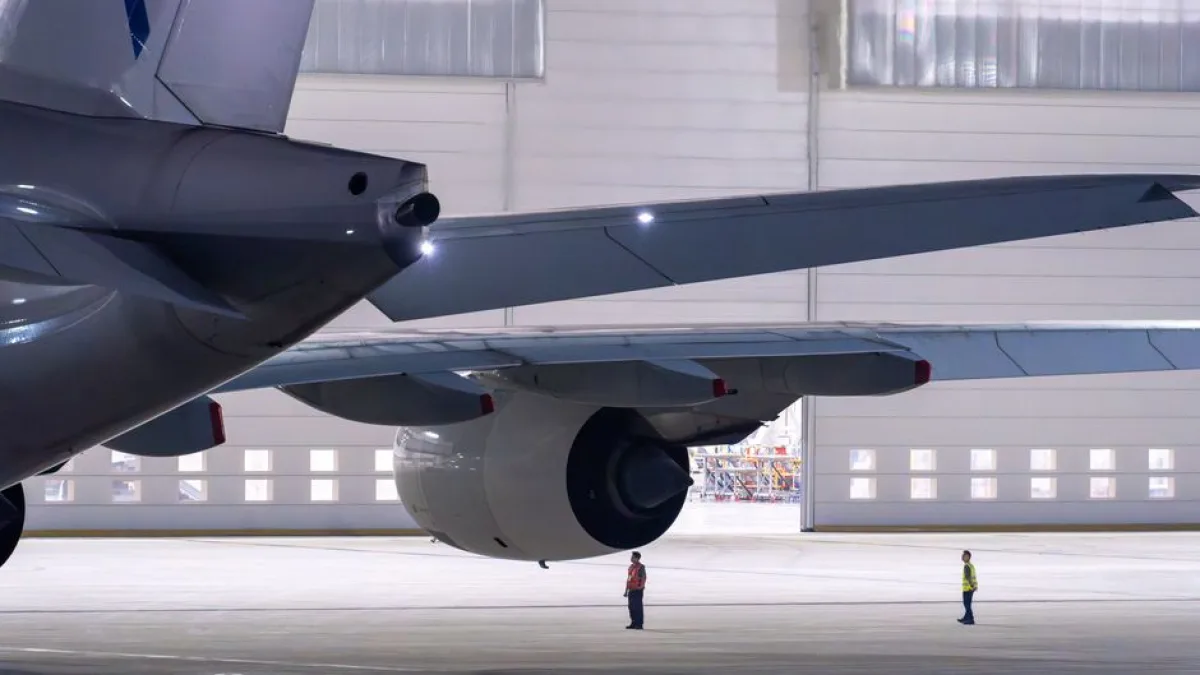
Managing operational costs in air freight requires a balance between speed and fiscal responsibility. By utilizing advanced software to compare carrier rates and optimize load consolidation, forwarders can maximize their profit margins while still offering competitive pricing to their most valued customers.
- Consolidated freight shipments: Group smaller shipments into single unit load devices to take advantage of lower volumetric rates, significantly improving the profitability of your combined air freight operations.
- Rate management automation: Centralize and compare all carrier pricing in a single dashboard to identify the most cost-effective routing options for every specific cargo weight and destination.
- Volume forecasting tools: Utilize predictive data to aggregate shipments effectively, allowing your firm to leverage better pricing tiers with airline partners through higher total shipping volumes over time.
- Margin analysis reports: Generate detailed profitability reports for every shipment, identifying hidden costs and enabling your team to adjust pricing strategies based on actual market performance data.
Driving profitability in air freight is not just about choosing the cheapest option, but about making intelligent choices based on comprehensive data. By focusing on smart consolidation and active margin management, your agency can sustain healthy growth. These financial insights empower your team to provide competitive quotes that win business without sacrificing the quality of service your clients demand from your firm.
Conclusion
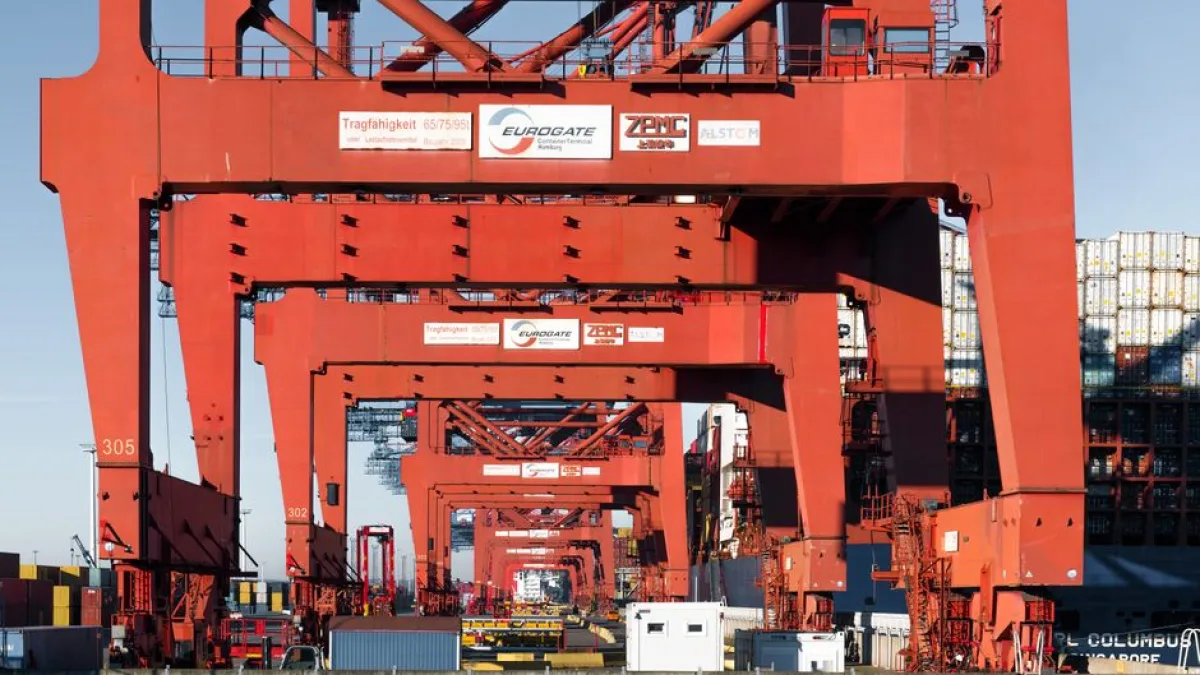
Modernizing your air freight operations is the key to thriving in a competitive global market. By embracing automation, improving visibility, and optimizing costs through digital platforms, you position your forwarding business for long-term success. Now is the time to leverage the right tools to streamline your workflows, satisfy your customers, and grow your revenue through superior service efficiency and strategic logistics management.