Optimizing Air Freight Logistics for Modern Freight Forwarders
Wednesday, September 2 2026

The global air freight industry is currently undergoing a period of rapid transformation, driven by the increasing need for speed and reliability in international supply chains. As freight forwarders face pressure to manage complex shipments with shrinking lead times, the role of digital infrastructure has become paramount. Adopting cloud-based platforms allows logistics providers to synchronize data across global networks, ensuring real-time visibility and proactive decision-making. By leveraging advanced technology, companies can reduce operational inefficiencies, mitigate risks during transit, and ultimately deliver a superior customer experience that satisfies the demanding requirements of today's fast-paced e-commerce and manufacturing markets.
Streamlining Booking Processes
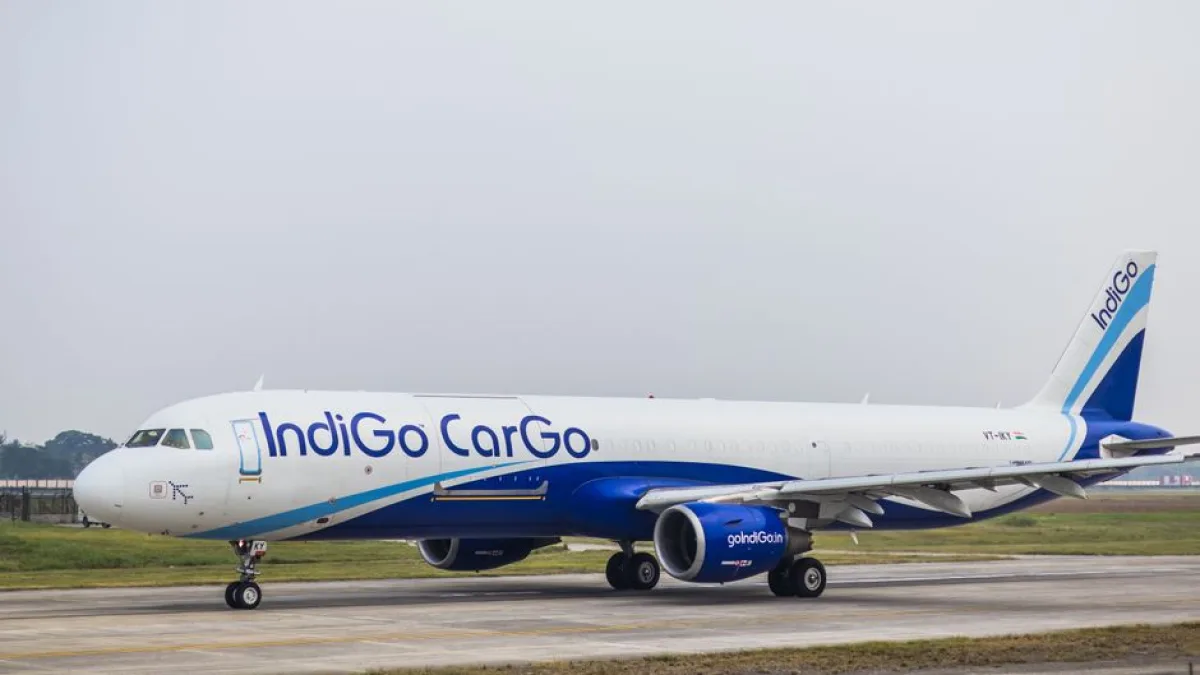
Modern digital platforms transform how forwarders book space with airlines by centralizing communication and documentation. This approach eliminates manual data entry, significantly reducing human error and accelerating the time required to secure capacity for urgent air freight shipments globally.
- Automated Quote Requests: Quickly generate and send detailed quote requests to multiple carrier partners simultaneously, ensuring you receive the most competitive pricing and space availability for your clients immediately.
- Real-time Capacity Visibility: Access live airline schedules and space availability through integrated portals, allowing your team to confirm bookings instantly without waiting for lengthy email confirmation cycles back.
- Digital Document Handling: Create, store, and manage essential shipping documents like airway bills and commercial invoices digitally, which simplifies compliance processes and reduces paper waste during transit.
- Direct Carrier Integration: Connect your software directly with major airline systems to facilitate seamless information flow, which improves data accuracy and speed throughout the entire booking phase.
By automating the booking lifecycle, forwarders can reclaim valuable time previously spent on administrative tasks. This efficiency gain allows your team to focus on high-value activities, such as client relationship management and strategic route planning. With improved speed in securing space, you become a more reliable partner for your shippers, ultimately increasing your market competitiveness and supporting sustainable long-term business growth across sectors.
Enhancing Shipment Visibility

End-to-end transparency is essential for managing air cargo, as clients demand instant status updates regarding their shipments. Integrated cloud software provides granular tracking data, enabling proactive communication and immediate problem resolution when unexpected delays occur within the air network.
- Proactive Status Notifications: Configure automated alerts that notify stakeholders whenever a shipment reaches a key milestone, providing peace of mind and reducing the volume of status inquiries.
- Global Map Integration: Visualize the real-time location of all active air freight shipments on a unified digital map, which helps logistics managers identify potential bottlenecks before they escalate.
- Exception Management Tools: Receive immediate alerts when a flight is delayed or rerouted, allowing your operations team to initiate contingency plans quickly to minimize overall shipment impact.
- Customer Access Portals: Provide your clients with secure, self-service portals where they can view shipment progress, download documents, and check arrival times without calling your office.
Visibility serves as the backbone of modern logistics, fostering trust between forwarders and their shippers. When you offer clear, data-driven updates, you demonstrate professionalism and operational excellence. This transparency allows your customers to manage their own inventories more effectively, which strengthens your partnership and differentiates your services from competitors who still rely on fragmented, manual communication methods for tracking important goods.
Managing Compliance and Security

Navigating the complex landscape of aviation security and international trade regulations requires precise documentation and adherence to strict protocols. Advanced software helps forwarders maintain compliance with customs authorities and aviation security standards, ensuring smooth border crossings for sensitive or hazardous cargo.
- Regulatory Compliance Check: Use built-in databases that automatically flag restricted goods or hazardous materials, ensuring that every shipment meets international aviation safety standards before departure occurs.
- Automated Customs Filings: Integrate your software with local customs systems to submit declaration data electronically, which speeds up processing times and lowers the risk of penalties.
- Secure Data Encryption: Protect sensitive shipping information and client data using enterprise-grade encryption protocols, ensuring that your company remains compliant with modern global data protection regulations.
- Detailed Audit Trails: Maintain comprehensive logs of every document change and user interaction, which simplifies internal audits and proves compliance when requested by regulatory governing bodies.
Strict compliance management is a critical factor in protecting your business from legal risks and operational disruptions. By digitizing your compliance workflows, you ensure that no detail is overlooked, even when managing high volumes of international air freight. This structured approach not only saves time during inspections but also establishes your firm as a reliable and secure logistics provider in the industry.
Leveraging Data Analytics

Data is the most valuable asset for forwarders looking to optimize their air freight operations. By analyzing historical performance metrics, logistics companies can identify cost-saving opportunities, evaluate carrier performance, and make informed decisions that improve overall profitability across all service lanes.
- Carrier Performance Analysis: Review detailed reports on transit times and service reliability to select the best airline partners, ensuring high-quality service for your diverse range of clients.
- Cost Management Dashboards: Visualize your total air freight spending to identify patterns, allowing you to negotiate better rates with airlines and improve your own profit margins effectively.
- Trend Forecasting Tools: Utilize historical volume data to predict seasonal demand spikes, helping you secure capacity in advance and avoid high spot-market rates during peak periods.
- Customized Reporting Suites: Generate tailored reports for management or specific clients, highlighting key performance indicators that drive continuous improvement and reveal new business development opportunities annually.
Harnessing the power of analytics turns raw logistics data into a strategic advantage for your organization. Rather than relying on intuition, you can base your planning on hard facts and measurable evidence. This level of insight allows you to optimize your service offerings and adjust your strategy to changing market conditions, ensuring your firm stays ahead of the curve in the industry.
Conclusion

Mastering air freight operations requires a combination of modern software and strategic foresight. By digitizing bookings, improving visibility, managing compliance, and utilizing data analytics, forwarders can unlock significant efficiency gains. Start optimizing your logistics workflow today with MakeCargo to ensure your business remains competitive, scalable, and prepared for the future of global air trade. Contact our expert team for a platform demonstration.