Optimizing Air Freight Logistics for Modern Forwarders
Tuesday, September 8 2026

The global air freight industry is currently undergoing a rapid digital transformation, driven by the need for speed and transparency in supply chains. Freight forwarders are increasingly tasked with managing complex routing, stringent compliance requirements, and real time visibility requests from high stakes clients. As capacity fluctuations impact pricing volatility, leverage becomes essential for maintaining profitability. Utilizing cloud based platforms allows logistics professionals to consolidate fragmented data, streamline bookings, and improve operational efficiency across borders. This comprehensive guide explores how forwarders can master the complexities of air cargo operations while delivering exceptional value to shippers in a highly competitive and evolving global marketplace.
Digital Capacity Management
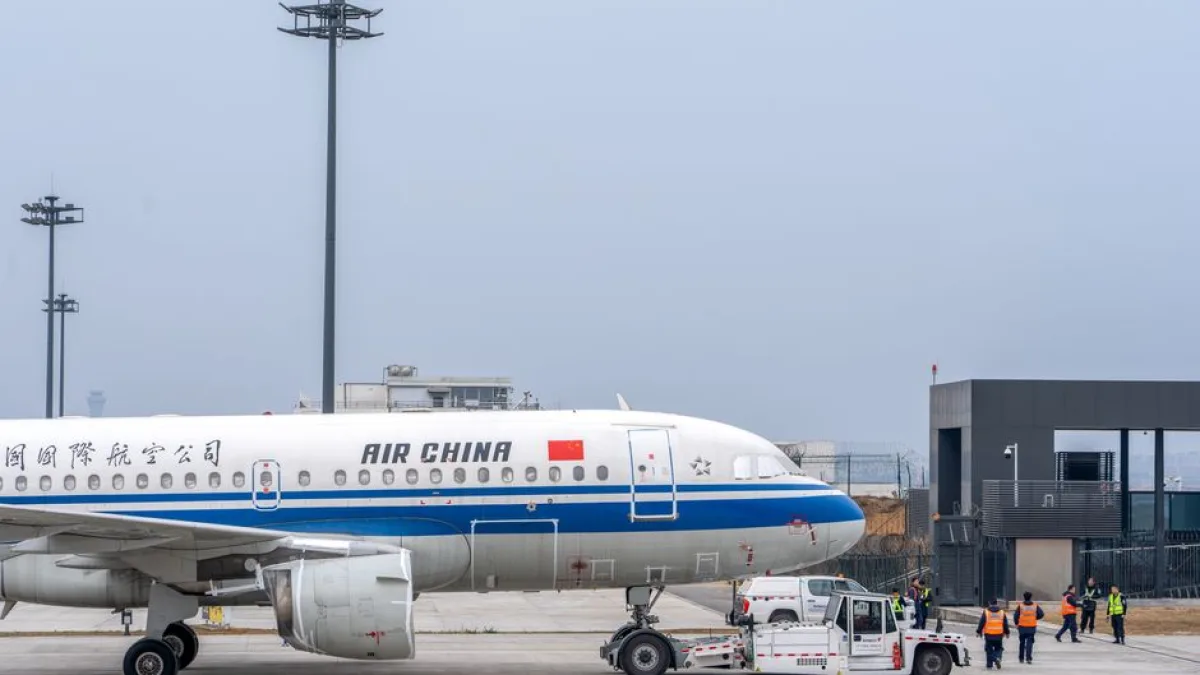
Digital transformation in air freight starts with managing capacity through automated cloud tools that sync data instantly. By digitizing inventory, forwarders can respond to market demands faster while reducing the risk of human errors and manual documentation delays in cargo handling.
- Real time scheduling: Integrated digital dashboards allow teams to monitor flight schedules and available capacity across multiple carriers in real time to ensure optimal booking decisions for every shipment.
- Automated carrier alerts: Smart systems send instant notifications when capacity opens up or when flight paths change, allowing forwarders to pivot quickly without losing precious transit time for clients.
- Data driven forecasting: Predictive analytics help forwarders anticipate peak season surges and slack periods, enabling better resource allocation and smarter inventory management strategies for long term business growth.
- Seamless carrier integration: Connecting directly to airline systems removes the need for manual entries, creating a frictionless workflow that boosts overall team productivity and minimizes costly operational delays.
Adopting digital capacity tools changes how forwarders approach everyday logistics tasks. Instead of chasing phone calls and email confirmations, teams focus on strategy and client relationships. This shift not only improves service levels but also makes the business more resilient against industry volatility. By embracing these modern workflows, you create a robust foundation for scaling your air freight operations effectively in a digital first economy.
Streamlined Documentation Workflows

Managing customs documentation is the most time intensive part of air cargo logistics for many forwarders. Automating the capture of air waybills and manifests reduces administrative overhead and ensures that compliance standards are met consistently for international shipping operations.
- Digital document storage: Centralized cloud folders keep every airway bill and commercial invoice safe, making retrieval easy during audits or while tracking specific shipments for international clients.
- Auto generated templates: Standardized document templates reduce the time spent on repetitive tasks by filling in shipment data automatically based on previously verified inputs and client profiles.
- Compliance validation checks: Built in validation tools flag errors in documentation before filing, preventing penalties from customs authorities and keeping shipments moving smoothly through international airport security checks.
- Electronic signatures enabled: Integrating e-signatures into the document workflow allows partners to sign off on critical paperwork instantly from any location, significantly accelerating the overall clearance process.
Speed is the currency of air freight, and documentation must keep pace with aircraft departures. By streamlining these administrative tasks, you eliminate bottlenecks that often stall the entire supply chain. This approach empowers your team to handle higher volumes without increasing headcount, directly impacting your bottom line. Efficient paperwork handling is a competitive advantage that builds trust with shippers who prioritize reliable delivery.
Enhanced Shipment Visibility
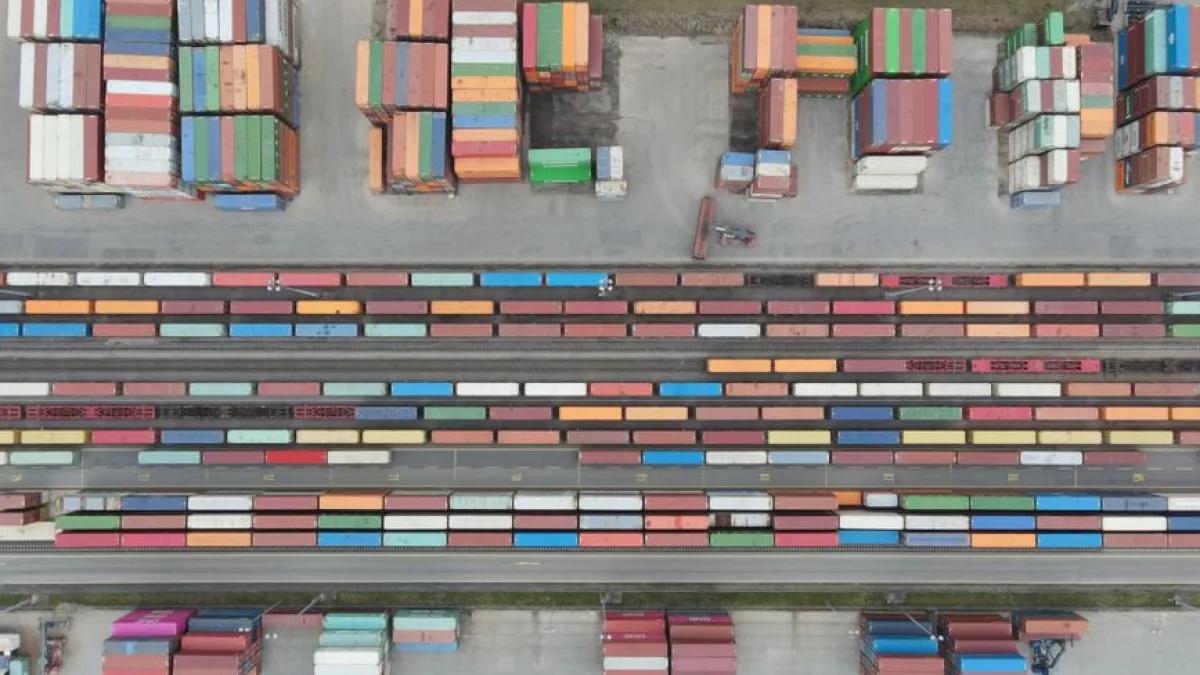
Clients today expect instant updates on their cargo status from origin to final destination. Providing granular visibility through a centralized portal increases transparency and builds long term trust between the forwarder and the shipper during sensitive high value transit.
- Live tracking portals: Custom dashboards give clients direct access to their shipment status at any hour, reducing the number of manual status requests handled by your support team.
- Automated status updates: Proactive email and SMS alerts keep stakeholders informed about location changes and potential delays as they happen, ensuring no one is caught off guard.
- Milestone tracking views: Detailed tracking allows clients to see exactly where their cargo is, from arrival at the warehouse to the final delivery at the destination door.
- Integrated carrier feeds: Aggregating data from multiple airlines into one view provides a unified source of truth, preventing confusion caused by disparate systems and different carrier reporting standards.
Visibility serves as the backbone of modern customer experience in the logistics industry. When shippers have direct access to their data, their satisfaction levels rise, which directly leads to improved client retention rates. Providing this level of service sets your firm apart from legacy forwarders who still rely on manual reporting. Investing in transparency is a commitment to quality that benefits every stakeholder.
Profitability Through Cost Optimization

Achieving profitability in air freight requires a deep understanding of cost structures and carrier margins. By analyzing spending patterns and negotiating better rates through data, forwarders can maximize their margins even during periods of extreme market price fluctuations and instability.
- Margin analysis tools: Detailed reporting features allow managers to track the profitability of every flight, helping to identify which lanes are performing well and which ones need adjustments.
- Smart rate sourcing: Aggregating carrier rates into a single platform enables quick comparison shopping, ensuring that your company always selects the most cost effective option available now.
- Fuel surcharge monitoring: Tracking volatile fuel surcharges in real time ensures that your quotes remain accurate and profitable, preventing revenue leakage on high volume air cargo lanes.
- Vendor performance audits: Regularly reviewing carrier reliability and cost structures helps in making informed decisions about which partners provide the best value for your specific routing needs.
Optimization is an ongoing process of refining your tactics based on performance data. By closely monitoring costs and margins, you maintain control over your business health regardless of external economic factors. These financial insights allow for more aggressive growth strategies and better pricing power with your own customers. Staying disciplined with cost management ensures your firm remains a profitable leader in the industry.
Conclusion

Mastering air freight requires a combination of technology, efficient documentation, and data driven decision making. By leveraging cloud based software to manage capacity and costs, you elevate your service capabilities while protecting your profit margins. Take control of your logistics operations today by implementing these digital strategies to ensure your freight forwarding business remains competitive and agile in a fast paced global environment.