Optimizing Air Freight Logistics for Modern Freight Forwarders
Thursday, October 29 2026

The global air freight industry remains a critical backbone for time sensitive supply chains, demanding precision and high speed execution from every freight forwarder involved. As markets fluctuate and cargo requirements become increasingly complex, professionals must leverage advanced digital tools to maintain a competitive advantage. Moving goods through the sky requires seamless coordination between airlines, ground handlers, and customs authorities. By integrating cloud based platforms like MakeCargo, forwarders can gain real time visibility and streamline their operational workflows. Mastering these logistics strategies is essential for driving efficiency, reducing overhead costs, and ensuring that sensitive cargo arrives safely and on time.
Streamlining Air Cargo Booking

Digital booking platforms transform how forwarders interact with airline capacities, replacing manual spreadsheets with instant, data driven decisions. This transition allows teams to compare global freight rates in seconds, ensuring the best possible service levels for demanding international shipping clients.
- Instant rate comparisons: Utilize automated tools to pull real time pricing from multiple airline carriers, allowing you to select the most cost effective option while maintaining strict transit time requirements.
- Automated booking requests: Eliminate manual email chains by submitting digital bookings directly to airlines through your freight software, significantly reducing the risk of human error and communication delays.
- Capacity management visibility: Maintain a clear overview of available space on specific flight routes, enabling proactive planning and better load factor optimization for all your air freight shipments.
- Real time scheduling: Track flight departures and arrivals with automated updates, ensuring that your ground team remains perfectly prepared for timely pickups and final delivery logistics execution.
Efficient booking processes represent the foundation of a modern freight operation. By centralizing these tasks within a single interface, your team gains the agility needed to respond to sudden market shifts. This increased operational clarity translates into better customer satisfaction scores and a more robust bottom line. Adopting these digital workflows is the most effective way to handle high volume air traffic without increasing manual overhead.
Enhancing Shipment Visibility

Modern clients expect constant updates regarding their cargo status, from initial pickup at the warehouse to final airport arrival. Providing this transparency through automated notifications and tracking portals differentiates top tier forwarders from the rest of the crowded market competition.
- Automated status alerts: Configure your system to send triggered emails to stakeholders, keeping them informed about major milestones like flight departures, customs clearance, and final mile delivery progress.
- Centralized document portal: Give clients secure access to air waybills, commercial invoices, and packing lists, effectively reducing the need for constant status check phone calls or emails.
- Proactive delay monitoring: Set up smart alerts that notify your team about potential disruptions before they escalate, allowing you to find alternative solutions that keep freight moving forward.
- Customized client dashboards: Offer your premium accounts a personalized view of their current inventory and historical shipping data, building long term trust and professional brand loyalty today.
Transparency is no longer a luxury but a fundamental necessity for global trade. By investing in sophisticated tracking systems, your organization can provide the granular detail that high value clients demand. This level of information sharing not only saves your staff time by reducing manual inquiries but also solidifies your position as a trusted and reliable partner in the complex air freight ecosystem.
Navigating Customs and Compliance

Regulatory compliance remains the most significant challenge for air freight specialists moving goods across international borders. Using digital documentation tools ensures that every piece of information is accurate, compliant with local laws, and ready for swift customs clearance processing.
- Digital document templates: Standardize your air freight paperwork by using pre filled templates, which drastically reduce formatting errors and speed up the submission process to local authorities.
- Regulatory database integration: Access up to date information on international import and export requirements, helping you avoid costly penalties or shipments being held at the airport terminal.
- Electronic data submission: Transmit critical shipping data directly to customs agencies via secure electronic channels, which significantly accelerates the verification process for your time sensitive air cargo.
- Archived compliance logs: Maintain an audit ready repository of every document shared, ensuring your business stays prepared for any sudden inspections or regulatory inquiries that might arise later.
Mastering the intricacies of international customs procedures is a vital skill for any freight forwarding professional. By digitizing your compliance workflows, you reduce the risk of costly administrative mistakes and ensure faster transit times for your customers. A well managed documentation strategy acts as a safety net, allowing your team to navigate complex global regulations with total confidence and superior operational efficiency.
Managing Warehouse and Handling
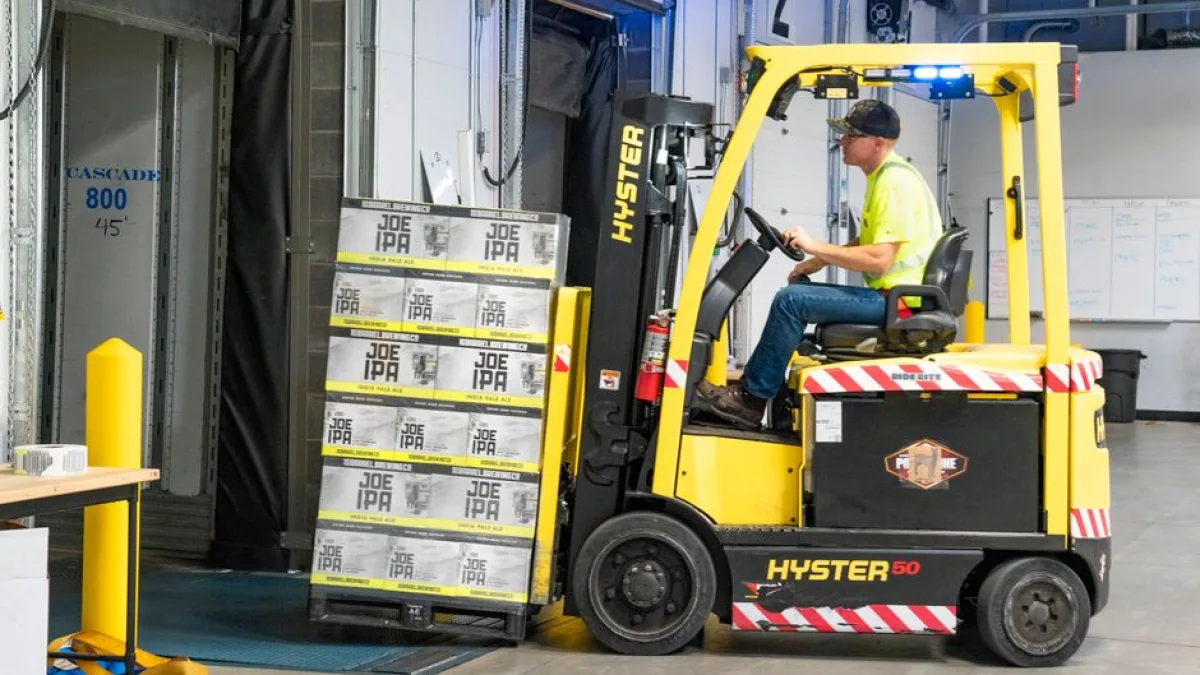
Proper cargo handling at the airport warehouse is essential to prevent damage and ensure that goods are loaded according to strict aviation safety standards. Integrating inventory management software helps forwarders optimize their physical staging areas for maximum speed and safety.
- Smart staging management: Organize cargo placement based on priority levels and flight schedules, ensuring that high importance shipments are easily accessible for timely transfer to the tarmac.
- Damage reporting tools: Capture high resolution photographs of incoming cargo to document the physical condition upon arrival, protecting your firm from potential liability claims during transit.
- Equipment tracking logs: Keep detailed records of all handling equipment and warehouse assets, ensuring that everything remains in optimal working condition for daily logistics operations safely.
- Staff workflow optimization: Allocate specific warehouse tasks based on current capacity and team bandwidth, resulting in improved productivity and faster turnaround times for all processed freight.
Effective warehouse management ensures that your air freight operations remain fluid and responsive. By leveraging technology to track physical cargo handling, you can eliminate bottlenecks and improve the overall flow of goods through your facility. This focus on internal efficiency is what separates high performance logistics companies from their competitors, ultimately leading to faster delivery windows and happier, more satisfied global shipping customers.
Conclusion

Success in air freight requires a combination of speed, accuracy, and robust technology. By integrating MakeCargo into your daily operations, you can overcome complex logistical hurdles, improve transparency, and offer superior service to your clients. Focus on automating repetitive tasks and maintaining high standards for documentation to keep your business growing. Now is the time to optimize your workflow for a more profitable future.