Optimizing Air Freight Logistics for Modern Freight Forwarders
Sunday, August 2 2026

Air freight logistics remains the fastest and most reliable way to move time sensitive goods across the globe, yet it presents unique challenges that demand precision. As global supply chains become more volatile, forwarders must balance speed with cost efficiency while managing complex documentation and rigorous security protocols. Leveraging cloud based technology allows logistics professionals to gain real time visibility into cargo movements, reducing manual errors and improving communication across the shipping network. By mastering these digital workflows, companies can transform their air freight operations into a competitive advantage that consistently delivers value to clients and ensures operational excellence.
Mastering Digital Documentation

Streamlining the documentation process is essential for reducing delays at busy international airports. By digitizing airway bills and customs declarations, forwarders can minimize human error and ensure that every shipment complies with strict aviation security regulations for faster processing times.
- Automated Data Entry: Implement smart software solutions that extract information from invoices and packing lists to populate air waybills, significantly reducing the time spent on manual data entry tasks.
- Compliance Tracking Tools: Utilize integrated systems that automatically verify shipment data against international aviation compliance standards to prevent costly penalties and avoid potential cargo inspection delays during transit.
- Digital Document Sharing: Store all essential shipping papers in a secure cloud environment to provide instant access for customs brokers, airport staff, and customers throughout the shipping cycle.
- Real-time Error Detection: Deploy intelligent validation scripts that identify inconsistencies in documentation immediately, allowing logistics teams to fix issues before cargo arrives at the busy airport terminal.
Adopting digital document management allows freight forwarders to pivot away from inefficient paper based systems that slow down operations. By centralizing data in a cloud platform, teams can work collaboratively from any location while maintaining a high standard of accuracy. This digital transition not only speeds up the clearance process but also builds trust with clients who value transparency and reliability in their global supply chains.
Managing Capacity and Rates
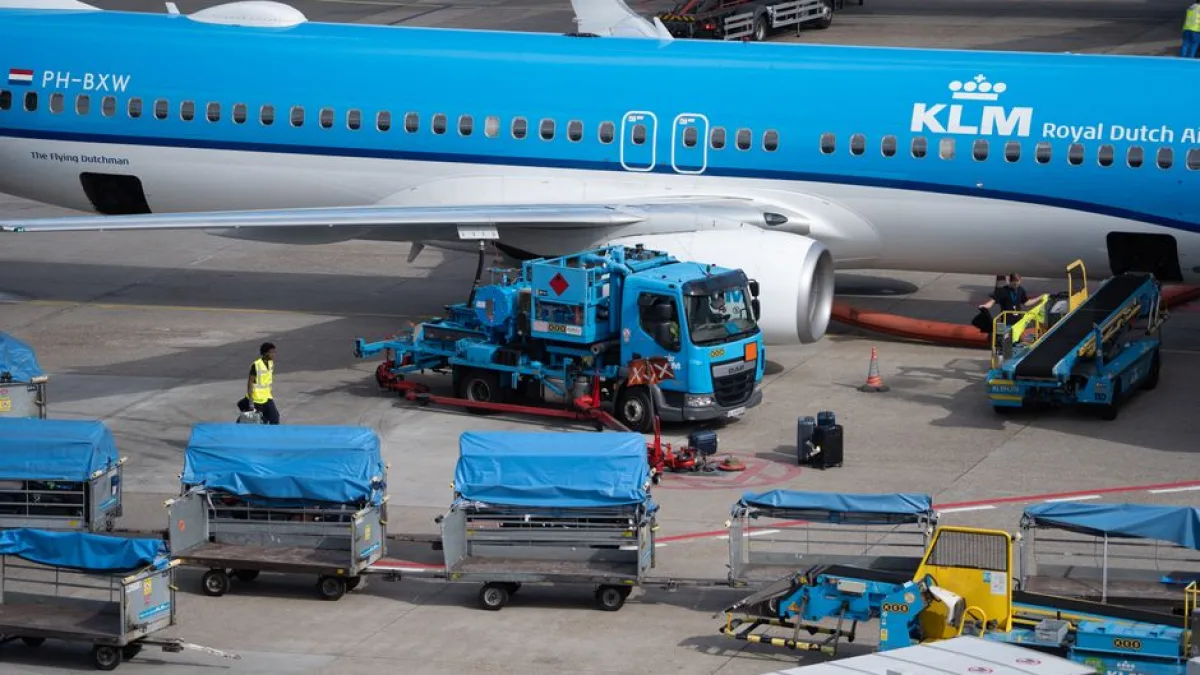
Effective capacity management is the backbone of profitable air freight operations. Forwarders must actively monitor airline schedules and space availability while negotiating competitive rates to ensure that clients receive cost effective shipping solutions during periods of high market volatility.
- Real-time Capacity Alerts: Configure your logistics platform to receive instant notifications regarding available flight space, helping you secure premium cargo slots before competitors take the last remaining positions.
- Rate Benchmarking Tools: Compare historical pricing data and live market rates from multiple airlines to ensure you are offering the most competitive quotes to your valued shipping customers.
- Dynamic Quote Generation: Use integrated pricing engines that calculate accurate air freight costs including fuel surcharges and handling fees to provide instant, transparent quotes for your prospective clients.
- Carrier Performance Analysis: Evaluate airline reliability and service quality over time to choose the best partners for specific routes, ensuring consistent delivery performance for all your time critical shipments.
Strategic capacity planning enables forwarders to handle seasonal surges and sudden demand spikes with confidence and efficiency. By analyzing airline performance and market pricing, logistics managers can make data driven decisions that maximize margins while maintaining high service standards. When you optimize how you manage space and rates, your business becomes more resilient against market fluctuations and better prepared for long-term growth.
Enhancing Shipment Visibility

Visibility is the primary expectation for modern shippers who demand constant updates on their high value cargo. Providing granular tracking insights from departure to arrival empowers forwarders to proactively solve potential disruptions before they impact the final delivery schedule for clients.
- Automated Status Updates: Set up triggered email or SMS notifications that automatically inform your customers whenever their air cargo reaches a new milestone or encounters a transit delay.
- Live Map Tracking: Integrate live flight tracking data into your customer portal to provide a visual representation of cargo movement, fostering deeper trust and better client communication.
- Proactive Delay Alerts: Identify weather related or operational disruptions early through advanced monitoring tools, allowing your team to inform stakeholders and find alternative routing options very quickly.
- Detailed Milestone Logging: Record every touch point for your shipments within a centralized dashboard to maintain a comprehensive audit trail that serves both internal review and customer reporting.
Achieving total shipment visibility transforms the customer experience by replacing uncertainty with reliable information. When clients feel informed, they are more likely to commit to repeat business and refer your services to others. By investing in tracking tools that offer depth and clarity, you elevate your brand as a professional logistics partner that prioritizes quality and keeps customers connected to their cargo.
Optimizing Security Protocols

Security in air freight requires strict adherence to global safety standards to protect both cargo and aviation personnel. Forwarders must integrate security workflows into their daily processes to ensure that all shipments are screened and handled according to mandated regulations.
- Regulatory Checklist Integration: Embed official aviation security checklists into your software workflows to guarantee that every shipment follows all safety guidelines before reaching the airport departure facility.
- Secured Access Management: Control user permissions within your freight platform to ensure that only authorized personnel can handle sensitive cargo data and regulatory compliance related shipping documents.
- Standardized Handling Processes: Create consistent internal procedures for cargo preparation that satisfy TSA or equivalent authority requirements, reducing the risk of cargo rejection at the airport screening point.
- Audit Trail Maintenance: Maintain a digital history of every security action performed on a shipment to ensure your company remains audit ready for any regulatory inspection request.
Prioritizing security protocols is not just a regulatory necessity but a vital part of building a reputable and safe logistics brand. By embedding these practices into your daily operations through software, you minimize risk and ensure a smooth passage for cargo across international borders. Consistent attention to safety measures ultimately protects your company from legal challenges and reinforces your position as a trusted industry leader.
Conclusion

Refining air freight operations requires a combination of technology, strategy, and constant vigilance. By embracing digital tools, you gain the agility to manage capacity, improve visibility, and maintain strict compliance with global security standards. Start integrating these advanced practices into your daily workflow today to streamline your logistics processes. Your commitment to efficiency today will secure your position as a preferred partner in tomorrow global market.