Optimizing Air Freight Logistics for Modern Freight Forwarders
Friday, August 7 2026
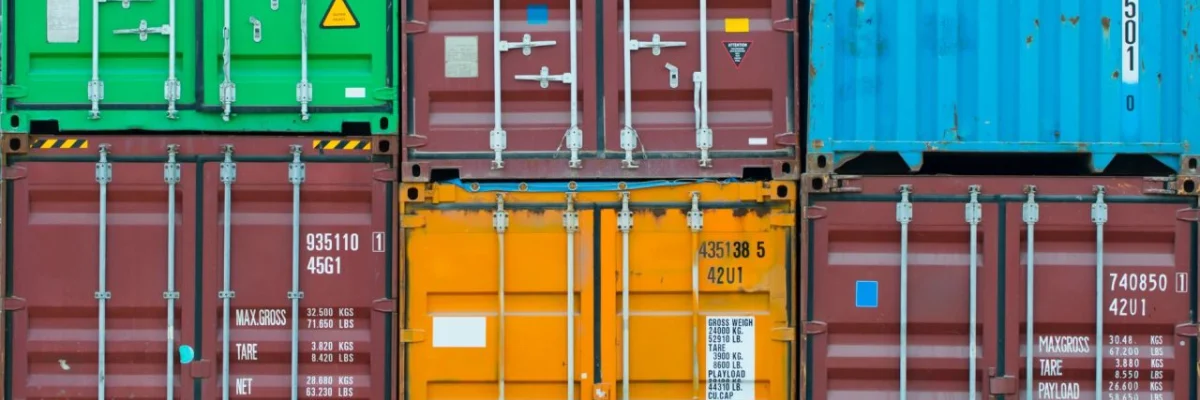
Air freight remains the critical backbone of global supply chains, offering unparalleled speed for high-value and time-sensitive goods. As global trade dynamics shift, freight forwarders must navigate complex regulations, capacity fluctuations, and rising fuel costs to remain profitable. Achieving operational excellence requires more than just booking space; it demands a data-driven approach that integrates real-time tracking, automated documentation, and seamless communication across all carrier platforms. By leveraging digital transformation, forwarders can enhance visibility, reduce administrative bottlenecks, and provide superior service levels that differentiate their businesses in a crowded market. This article explores essential strategies to elevate your air freight operations through modern digital solutions.
Mastering Capacity Management

Managing cargo capacity effectively is the cornerstone of profitable air freight operations. By utilizing cloud-based software, forwarders can gain real-time insights into available flight space, allowing them to optimize bookings and prevent the common pitfalls associated with manual tracking and inaccurate airline scheduling.
- Strategic capacity sourcing: Establish robust partnerships with major airlines to secure reliable space allocations during peak seasonal demand periods, ensuring your clients maintain consistent supply chain flow throughout the year.
- Automated flight searches: Use digital platforms to instantly compare multiple carrier routes and pricing, which saves hours of manual labor while identifying the most cost-effective shipping options for clients.
- Dynamic load planning: Implement sophisticated algorithms to calculate optimal pallet configurations, maximizing aircraft space utilization and significantly reducing the overall cost per unit for every international shipment managed.
- Real-time inventory visibility: Monitor your active bookings through a centralized dashboard that provides immediate updates on space status, enabling proactive adjustments before potential delays impact your critical delivery deadlines.
Adopting a proactive stance toward capacity management transforms your business from a reactive service provider into a strategic logistics partner. When you accurately anticipate fluctuations in flight availability, you gain a significant competitive edge. Providing consistent reliability in a volatile market builds lasting trust with your clients, ensuring they return to your services for their most sensitive and urgent global air cargo needs.
Streamlining Digital Documentation

Paperwork remains the primary cause of delays in air freight shipping, often resulting in costly bottlenecks at customs and airport terminals. Transitioning to fully digitized documentation workflows is essential for maintaining high velocity and ensuring compliance with international air transport regulations worldwide.
- Electronic air waybills: Replace outdated paper processes with integrated e-AWB solutions to accelerate document transmission and minimize errors, ultimately speeding up the cargo release process at destination airports globally.
- Automated customs filing: Utilize software integrations that automatically transmit shipment data to customs authorities, reducing human entry errors and significantly decreasing the risk of costly administrative shipment holds.
- Standardized data templates: Create reusable document templates for recurring shipments, which streamlines the creation of invoices, packing lists, and manifests while ensuring consistent compliance with all international trade standards.
- Secure cloud storage: Centralize all your shipping documentation in a secure cloud repository, providing instant access for your team, clients, and partners while maintaining strict data integrity protocols.
Modernizing your documentation process does more than save time; it creates a transparent audit trail that enhances accountability. When your team can retrieve any document in seconds, internal communication improves dramatically and client requests are resolved instantly. By removing the reliance on physical paper, your organization becomes more agile, resilient, and capable of scaling operations without adding unnecessary administrative headcount or complexity.
Leveraging Advanced Shipment Tracking

Visibility is the most requested feature by modern shippers who need to know exactly where their high-value cargo is located. Providing real-time, automated updates via a digital portal significantly reduces the burden on your customer service team while increasing satisfaction.
- Automated status alerts: Configure your platform to send personalized notifications to clients at every key milestone, keeping stakeholders informed without requiring manual updates from your dedicated customer service team.
- Live milestone tracking: Integrate GPS and airline data feeds into your dashboard to display precise location data, giving your clients total transparency from origin warehouse to final delivery.
- Proactive exception management: Detect potential disruptions early through automated monitoring tools, allowing your team to inform clients and offer alternative logistics solutions before issues escalate into crises.
- Client portal access: Offer your customers a private, branded web portal where they can view live shipment progress, download documentation, and communicate with your team in real time.
Transparency has become the standard expectation rather than a luxury service in modern air freight. By giving your clients total control and constant visibility, you minimize incoming support queries and allow your staff to focus on solving high-value logistics challenges. This level of digital transparency not only satisfies current customer demands but also positions your brand as a technology-forward leader in the logistics industry.
Optimizing Costs and Profitability

Air freight profitability depends on maintaining thin margins while handling rising operational expenses. By integrating financial tracking with your logistics operations, you gain the ability to analyze profitability on a per-shipment basis, ensuring that every booking contributes positively to your bottom line.
- Automated cost analysis: Evaluate carrier pricing against your service fees in real time to identify underperforming routes and adjust your quoting strategy for maximum possible profit margins.
- Expense tracking integration: Synchronize your shipping software with accounting systems to automate billing and invoice reconciliation, reducing the time spent on financial administration and minimizing errors in payments.
- Dynamic quoting tools: Deploy automated quoting calculators that factor in fuel surcharges and currency fluctuations, ensuring your initial quotes remain accurate and profitable despite frequent changes in aviation costs.
- Vendor performance reporting: Analyze carrier reliability and pricing history to negotiate better rates during future contract renewals, helping you secure long-term value for both your company and your clients.
Financial clarity is the bedrock of a healthy logistics business. When you integrate your operational data with financial analytics, you remove guesswork from your daily decision-making process. Identifying which lanes are most profitable allows you to focus your sales efforts on high-growth opportunities. This structured approach to profitability ensures your freight forwarding company remains financially robust, scalable, and prepared for future growth.
Conclusion
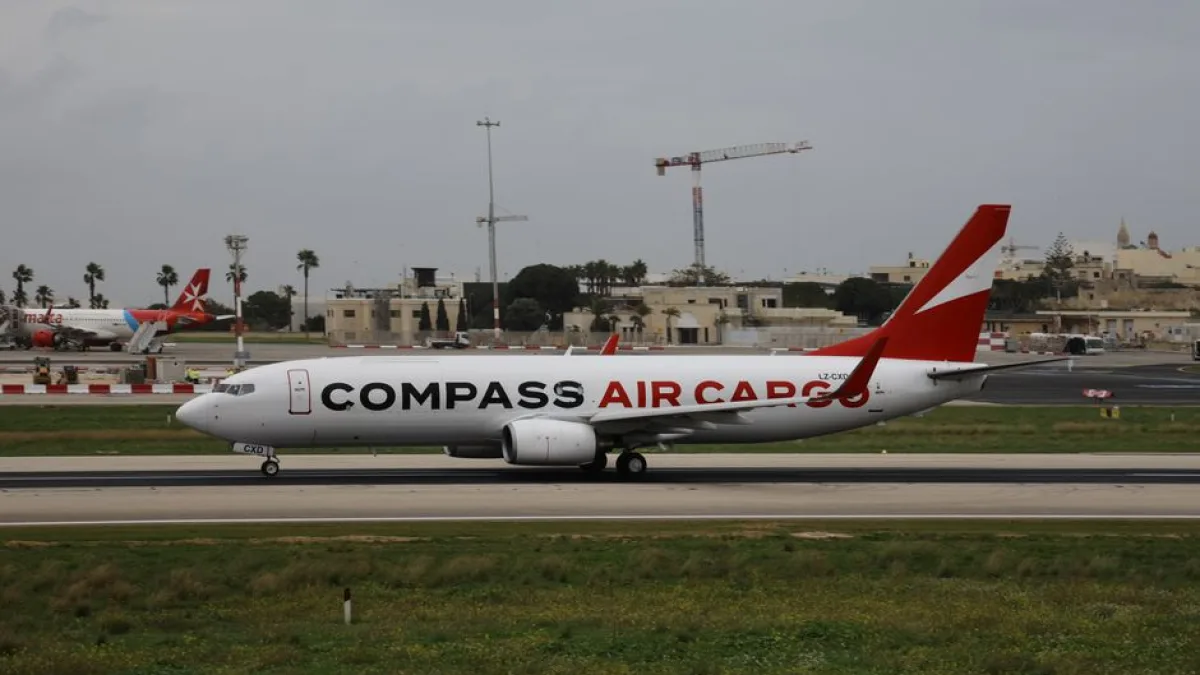
Success in air freight requires a commitment to digital integration and operational precision. By automating documentation, proactively managing capacity, and providing total transparency, your firm can navigate the complexities of global trade with confidence. Embrace these technological advancements to improve efficiency, reduce operational risks, and deliver exceptional value to your customers. MakeCargo is here to support your transition toward a more connected, digital future.