Optimizing Air Freight Logistics for Modern Freight Forwarders
Friday, September 11 2026

Air freight remains the heartbeat of global supply chain agility, offering unmatched speed for time sensitive shipments in an increasingly demanding market. As freight forwarders face constant pressure to reduce transit times and maintain transparency, the integration of cloud based software has become essential. Modern logistics professionals must leverage real time data to navigate complex airport congestion, strict security regulations, and fluctuating capacity availability. By adopting digital solutions that centralize documentation and tracking, forwarders can transform operational hurdles into competitive advantages, ensuring that every pallet moves through the air with precision, reliability, and full visibility for every stakeholder involved.
Mastering Air Cargo Capacity
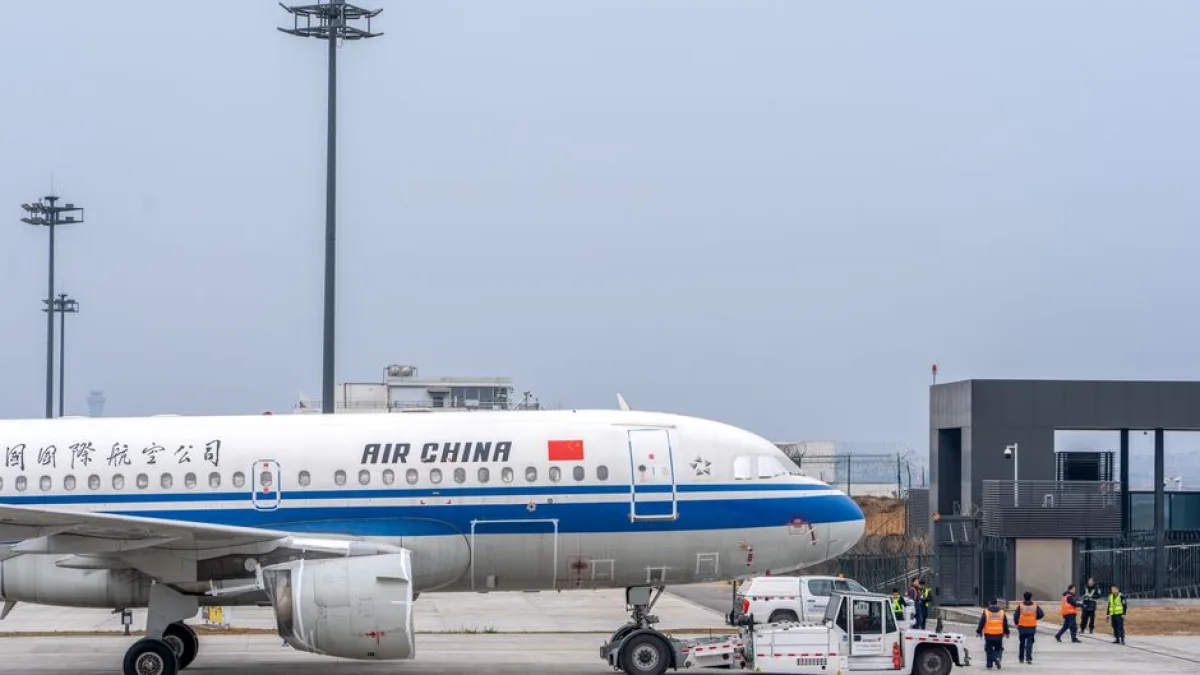
Efficiently managing cargo space requires a proactive approach to booking and carrier relations to avoid costly delays. Forwarders who utilize digital tools can anticipate capacity shortages before they escalate into systemic service failures for their most valuable shipping clients.
- Automated Booking Systems: Implementing automated booking tools allows freight forwarders to secure space instantly while comparing real time rates across multiple airline carriers to find the best market value available.
- Capacity Trend Analysis: Analyzing historical capacity data enables logistics teams to predict peak season surges, allowing them to reserve block space agreements well before competitors lock in their allotments.
- Carrier Performance Tracking: Monitoring airline reliability through historical data ensures that forwarders choose partners who consistently meet transit deadlines and maintain strict adherence to fragile cargo handling protocols.
- Dynamic Route Planning: Utilizing smart algorithms helps logistics managers identify optimal routing options that minimize layover times and reduce the total carbon footprint of complex international air shipments.
Securing reliable capacity is the foundation of successful air freight operations. When forwarders replace manual booking processes with integrated software platforms, they gain the agility required to react to sudden supply chain shifts. This shift improves client satisfaction by guaranteeing that cargo moves on schedule, even when global markets face severe volatility. Investing in these digital tools ensures long term profitability and operational stability.
Digitizing Air Waybill Documentation

Paper based documentation often creates significant bottlenecks during the pre flight clearance process for international shipments. Transitioning to electronic Air Waybill systems drastically reduces manual data entry errors and accelerates the speed at which goods move through busy terminal facilities.
- Electronic Data Interchange: Adopting EDI standards allows forwarders to transmit vital shipping information directly to airlines, effectively removing the need for physical documents that often delay ground handling.
- Automated Data Validation: Software systems automatically verify shipping information against global customs requirements, ensuring that every detail is accurate to prevent costly inspections or rejected cargo shipments.
- Cloud Storage Access: Centralizing all shipping documents in a secure cloud repository enables global teams to access real time information from any location, improving internal and external communication.
- Regulatory Compliance Integration: Modern platforms automatically update to reflect changes in international aviation regulations, keeping forwarders compliant with security standards without requiring manual policy reviews and constant updates.
Digital documentation is no longer optional for forwarders aiming to maintain high service levels in a fast moving industry. By digitizing the workflow, logistics providers can eliminate administrative friction and shorten the window between cargo drop off and flight departure. This technological shift empowers teams to focus on customer relationship management instead of chasing paper, ultimately driving higher revenue and operational efficiency gains.
Enhancing Real Time Cargo Visibility

Customers today expect instant updates on the exact location of their air freight shipments from origin to final destination. Providing this level of transparency is only possible through sophisticated tracking software that integrates directly with major airline carrier information systems.
- Proactive Milestone Tracking: Automated tracking alerts provide real time notifications for critical shipment milestones, allowing forwarders to manage client expectations before any potential delays or service issues arise.
- Integrated API Connectivity: Connecting your freight platform to airline APIs creates a seamless flow of data, ensuring that status updates reflect current information directly from airport systems.
- Customizable Customer Portals: Providing clients with access to a branded digital portal allows them to track their own shipments, which reduces the volume of status inquiries for staff.
- Exception Management Alerts: Intelligent monitoring systems highlight shipments that deviate from their planned route, enabling forwarders to implement immediate corrective actions to restore the original delivery timeline quickly.
Transparency is the most valuable currency in the freight forwarding industry. When clients can access reliable, accurate data regarding their air cargo, trust and long term loyalty are built naturally. Using MakeCargo to provide this visibility reduces the administrative burden on your support team while positioning your brand as a professional leader in the modern logistics market. Transparency is truly a powerful differentiator.
Navigating Air Security Regulations

Strict aviation security protocols are designed to ensure safety, but they can be a major hurdle for unprepared freight forwarders. Understanding and following these regulations is critical to preventing cargo rejection and ensuring that goods clear airport security checkpoints smoothly.
- Known Consignor Status: Helping shipping clients achieve known consignor status speeds up the screening process at the airport, as their cargo is pre screened and deemed secure before arrival.
- Automated Screening Tools: Integrating screening information into your logistics software helps confirm that all security declarations are filed correctly, preventing delays caused by incorrect or missing documentation.
- Standardized Handling Procedures: Following uniform security handling procedures for all shipments ensures consistency, which reduces the chance of cargo being pulled for extra inspection or manual physical examination.
- Continuous Staff Training: Keeping the team updated on current security requirements through internal training modules ensures that everyone understands the importance of compliance for global air freight safety.
Mastering complex security regulations is a core component of providing a premium air freight service to your global client base. When forwarders treat security as a streamlined part of their logistics process rather than a burden, they minimize transit disruptions and maximize customer value. Staying ahead of regulatory changes helps you maintain a reputation for excellence in a safe and secure shipping environment.
Conclusion

Successful air freight logistics relies on the perfect balance of technology, capacity management, and regulatory expertise. Forwarders who adopt digital platforms like MakeCargo to unify their workflows will undoubtedly outperform the competition. By focusing on automation and visibility, you can simplify complex shipping tasks and deliver superior service. Commit to these modern strategies today to ensure your forwarding business remains agile, profitable, and ready for future growth.