Optimizing Air Freight Logistics for Modern Freight Forwarders
Wednesday, September 23 2026
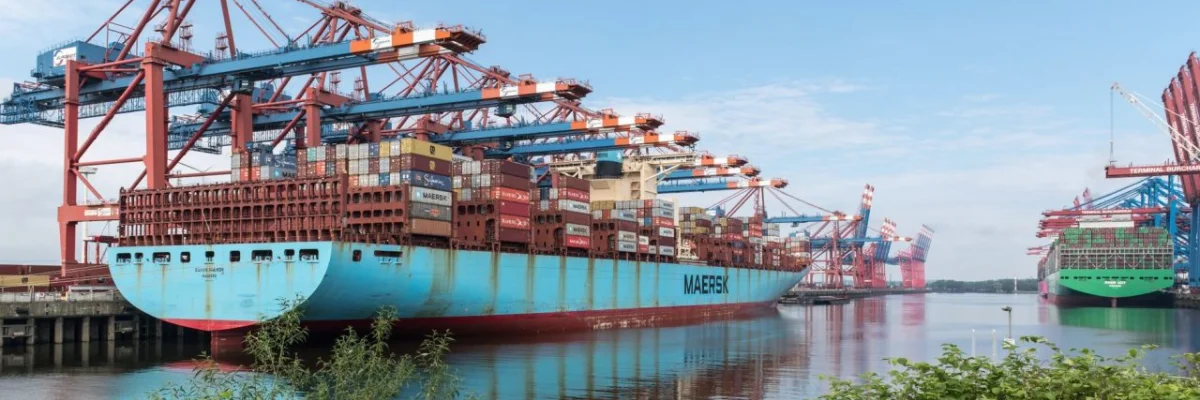
Air freight logistics remains the fastest and most reliable method for moving high value goods across the global marketplace. As supply chains become increasingly volatile, forwarders must leverage advanced cloud software to maintain speed and transparency. From navigating complex customs regulations to managing capacity fluctuations, the demands on air cargo operators have never been greater. Modern technology allows firms to automate workflows, reduce manual documentation errors, and provide real time tracking visibility to clients. By embracing digital transformation, freight forwarders can turn operational challenges into competitive advantages while ensuring every shipment arrives on time in a rapidly changing international landscape.
Digitizing Flight Capacity Management

Efficient capacity management requires constant monitoring of airline space and competitive market rates. Leveraging cloud platforms allows teams to synchronize booking data and avoid costly overbooking errors that jeopardize client relationships and operational reliability in the fast paced aviation sector.
- Real time tracking: Integrate live data feeds to monitor aircraft locations and cargo status updates automatically to provide your clients with accurate arrival estimates without manual intervention or phone calls.
- Automated booking systems: Utilize smart software tools to match available airline cargo space with customer needs instantly to reduce administrative downtime and eliminate redundant communication across different international shipping zones.
- Capacity alert monitoring: Set custom thresholds to receive notifications when space becomes tight so you can secure necessary capacity before market rates surge during seasonal peak periods or emergencies.
- Vendor portal connectivity: Connect your internal systems directly with airline APIs to streamline the exchange of shipment information and confirm booking requests without relying on slow email chains.
Adopting digital capacity tools transforms how your agency interacts with major carriers and airport terminals. By consolidating data into one centralized platform, you eliminate the fragmentation that often plagues international shipments. This level of synchronization empowers your staff to focus on high value strategy rather than tedious data entry tasks, ultimately boosting your bottom line and establishing a reputation for unparalleled reliability among shippers.
Streamlining Air Cargo Documentation

Managing airway bills and customs forms manually creates significant bottlenecks in air freight operations. Modern software automates document generation and compliance checks, ensuring that every shipment meets stringent international aviation standards while minimizing the risk of expensive administrative delays at customs.
- Automated bill generation: Generate standard air waybills and shipping labels automatically using cloud based templates to reduce clerical errors and speed up the dispatch process at busy terminals.
- Compliance validation checks: Run automated screening against restricted party lists and hazardous material databases to ensure every package adheres to global security regulations before reaching the airport.
- Digital document storage: Upload all shipment paperwork into a secure cloud repository where it remains accessible to authorized stakeholders and customs officials at all stages of transport.
- Seamless electronic filing: Submit digital entries directly to government customs portals to expedite clearance times and avoid the common pitfalls associated with paper based filing and manual processing.
Precision in documentation is the backbone of efficient air logistics services. When forwarders replace legacy paper trails with automated software workflows, they achieve a new standard of accuracy. This digital shift not only accelerates the clearance process at major international airports but also builds deep trust with your clients by demonstrating a professional and proactive approach to managing their critical global supply chain data.
Enhancing Real Time Visibility

Shippers today demand complete transparency regarding their air freight status from origin to final destination. Implementing robust tracking software provides this visibility, allowing forwarders to manage exceptions proactively and update their customers before problems escalate into major logistics failures or delays.
- Live status dashboards: Visualize every step of the air freight journey through a centralized tracking console that updates automatically based on airline tracking events and ground handler reports.
- Proactive exception alerts: Configure automated alerts to notify your operations team immediately if a flight is delayed or if cargo is not scanned at the planned connection point.
- Direct client portals: Provide your customers with branded portal access to track their own shipments, which reduces inbound status inquiries and improves your overall customer satisfaction scores significantly.
- Historical data analytics: Analyze past performance metrics for specific flight lanes to identify recurring transit issues and make informed decisions about selecting better airline partners for future cargo.
Visibility is no longer just a luxury but a fundamental requirement for modern freight forwarding success. By providing your clients with immediate access to shipment statuses, you create a transparent partnership that minimizes stress and confusion. This proactive stance toward communication allows you to maintain control over the delivery process, ensuring that your company remains the top choice for urgent international shipments.
Mastering Air Cargo Security
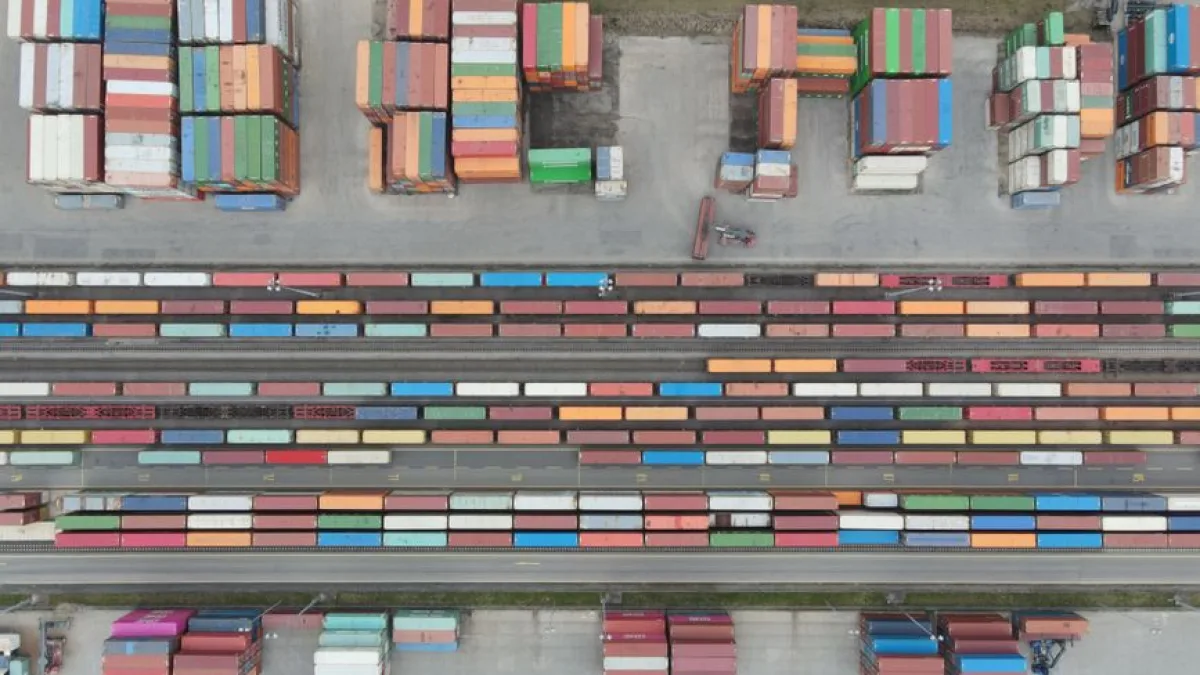
Security remains a top priority when handling valuable air freight goods in international transit. Modern software suites include advanced security features that track handling protocols and chain of custody, ensuring compliance with global air transport safety standards and protecting cargo against theft.
- Chain of custody logs: Record every handoff during the transit process to maintain a clear audit trail that tracks who handled the cargo at every single checkpoint.
- Restricted area compliance: Monitor access logs for your warehouse facilities to ensure that only authorized personnel interact with high value air freight shipments prior to aircraft loading.
- Hazardous goods management: Track specific handling instructions for dangerous goods automatically to ensure that safety documentation is accurate and that cargo is stored according to regulations.
- Regulatory reporting tools: Generate comprehensive security reports for aviation authorities to prove adherence to safety standards during periodic audits and keep your operational licenses in good standing.
Protecting cargo throughout its journey requires a blend of rigorous protocols and intelligent technology. By embedding security tracking into your daily workflows, you significantly mitigate risks associated with loss or noncompliance. This commitment to safety not only safeguards your customers valuable assets but also enhances the long term reputation of your firm as a responsible and secure leader within the global air industry.
Conclusion

Mastering air freight operations requires a commitment to digital integration and operational efficiency. By leveraging modern software solutions, your firm can navigate complex logistics landscapes while delivering superior service to clients globally. Focus on continuous improvement through data and automation to stay ahead of market trends. Empower your team today to embrace technology that drives growth and defines the future of international air shipping.