Optimizing Air Freight Logistics with Cloud Technology
Wednesday, September 30 2026

The rapid evolution of global trade requires freight forwarders to adopt sophisticated digital tools to maintain a competitive edge. Air freight remains the premium choice for time-sensitive shipments, yet the complexity of managing airway bills, capacity constraints, and real-time tracking demands a robust infrastructure. As market volatility becomes the norm, transitioning from manual processes to cloud-based platforms allows companies to enhance visibility and operational efficiency. This shift empowers logistics professionals to navigate fluctuating fuel costs and regulatory requirements with precision, ensuring that goods reach their destinations on schedule while maintaining healthy profit margins in an increasingly demanding marketplace.
Digitizing Operational Workflows
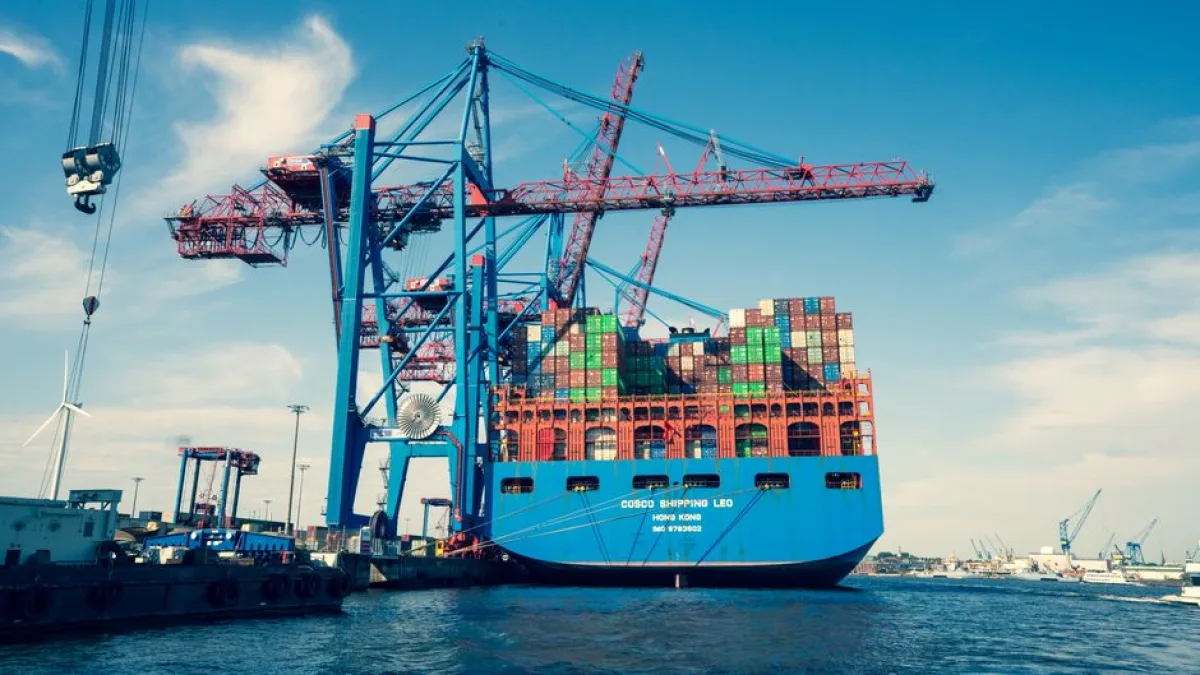
Digital transformation starts with replacing legacy spreadsheet systems with centralized platforms that provide a single source of truth for all air cargo data. This transition reduces human error and drastically improves the speed of processing complex shipments across international borders.
- Automated Documentation Generation: Modern software tools automatically populate airway bills and commercial invoices to save hours of manual data entry while reducing risks associated with common administrative clerical errors.
- Real-time Capacity Management: Forwarders can monitor airline space availability instantly, allowing them to secure allotments before competitors take the last remaining slots on high-demand international flight routes.
- Streamlined Customs Compliance: Integrated compliance modules ensure that all shipments meet regional aviation security and customs standards before the goods even arrive at the warehouse facility.
- Cloud-based Collaboration Tools: Team members can access critical shipping information from any global location, ensuring seamless coordination between dispatchers, warehouse managers, and local logistics field agents.
By digitizing these core workflows, logistics firms effectively break down information silos that previously hampered growth and customer satisfaction. The ability to update clients with accurate tracking data in real time builds immense trust and long-term loyalty. As your team adopts these digital habits, the entire organization becomes more agile, capable of scaling operations during peak seasons without requiring proportional increases in manual labor costs.
Enhancing Cargo Visibility

Providing customers with end to end transparency regarding their air freight status is now a basic requirement. Advanced tracking technologies allow forwarders to monitor cargo from the initial pickup at the warehouse until the final delivery at the destination site.
- Live Shipment Tracking: Clients receive automated email updates based on GPS data, which helps them plan their supply chain activities with confidence and reduces unnecessary support inquiries.
- Milestone Event Alerts: Automated notifications trigger whenever a shipment reaches a specific transit point, keeping all stakeholders informed about the cargo status throughout the entire journey.
- Interactive Customer Portals: Businesses provide clients with secure portals where they can view shipment history, download digital receipts, and track active orders through a simple interface.
- Exception Management Reporting: Proactive alerts notify operators of potential flight delays or weather issues immediately, allowing for quick rerouting before the situation negatively impacts the final delivery.
Transparency creates a significant competitive advantage for freight forwarders operating in the fast-paced air cargo industry. When customers can see exactly where their high-value goods are located, they feel much more comfortable entrusting you with their future logistics needs. This level of service transforms a simple transaction into a partnership, which is essential for retaining clients within a crowded global market.
Managing Cost Volatility

Air freight pricing is notoriously volatile due to fuel surcharges and changing geopolitical landscapes. Advanced freight software helps forwarders analyze pricing trends to make informed decisions that protect margins while providing competitive rates to their loyal customer base.
- Predictive Pricing Analytics: Software tools process historical pricing data to forecast future rate changes, helping forwarders adjust their pricing strategies ahead of market shifts or seasonal fluctuations.
- Fuel Surcharge Calculation: Automatic calculation tools ensure that complex fuel surcharges are applied accurately to invoices, preventing revenue leakage and maintaining consistency across all customer account statements.
- Vendor Rate Benchmarking: Forwarders can compare rates from multiple airline carriers side by side, ensuring they always select the most cost-effective option for every specific shipment profile.
- Profit Margin Monitoring: Integrated dashboards display the exact profitability of every air freight booking, highlighting opportunities to optimize costs through better route planning or vendor consolidation.
Taking control of your pricing structure is the most effective way to protect your business against market shocks. When you understand the underlying drivers of your shipping costs, you can negotiate better terms with carriers and offer more stability to your customers. Investing in data-driven tools allows your team to move beyond reactive pricing and into a proactive model of financial management.
Streamlining Carrier Partnerships

Building strong relationships with major airlines and ground handlers is essential for securing reliable space during periods of high demand. Technology platforms facilitate better communication and integration between your freight forwarding business and your primary cargo carrier partners.
- Digital Booking Integrations: Direct API connections with airline reservation systems allow your team to book space and receive instant confirmation without making a single phone call.
- Performance Metric Tracking: Analytics tools record carrier performance data over time, helping you identify which partners consistently meet transit times and which ones present too much risk.
- Centralized Partner Communication: Every conversation, document exchange, and contract amendment is stored in a single digital folder for easy retrieval by anyone on your operations team.
- Automated Invoicing Workflows: Digital reconciliation processes match carrier invoices against original bookings, saving your finance department significant time during the end of month accounting and reporting cycles.
Strong carrier partnerships are the backbone of any successful air freight operation. By leveraging technology to simplify administrative tasks, your team has more time to focus on strategic networking and maintaining personal connections with carrier account managers. This balanced approach ensures you have access to the necessary capacity during the busy peak seasons, ultimately keeping your own logistics services reliable and highly efficient.
Conclusion

Mastering air freight logistics requires a blend of industry expertise and the right digital infrastructure. By embracing cloud-based solutions, freight forwarders can optimize workflows, improve visibility, and manage costs effectively in an unpredictable market. Start upgrading your internal processes today to build a more resilient and profitable business. Contact the MakeCargo team now to schedule a personal demonstration of our platform capabilities.