Optimizing Air Freight Operations with Modern Digital Tools
Thursday, July 30 2026
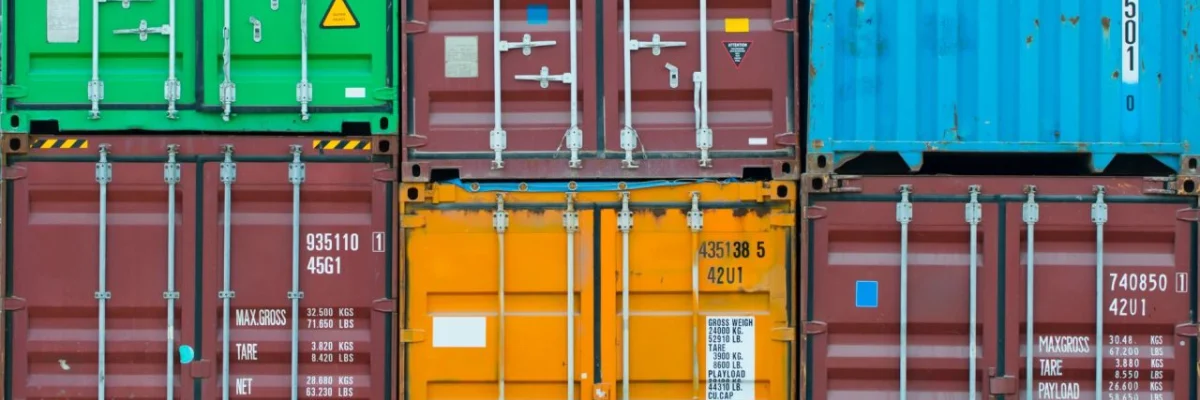
In the fast-paced world of global logistics, air freight stands as the critical lifeline for time-sensitive cargo and high-value commodities. As global markets demand faster delivery times, freight forwarders are increasingly tasked with managing complex supply chain bottlenecks under intense pressure. Traditional manual processes no longer suffice when speed and precision are the primary competitive advantages. By adopting cloud-based freight forwarding software, modern logistics companies can transform their operations, reduce human error, and provide real-time transparency for their clients. This article explores how digital integration can revolutionize air freight workflows, ensuring that your organization remains efficient and profitable in a volatile global economy.
Digitizing Booking and Documentation

Streamlining the booking process is essential for reducing administrative overhead and preventing costly errors in air waybill creation. Digital platforms allow teams to manage data entry through automated workflows, ensuring accuracy and faster processing for urgent shipments while enhancing overall operational visibility.
- Automated Data Entry: Cloud platforms utilize smart templates to reduce manual typing errors by syncing shipment details directly from client portals, ensuring that air waybills remain compliant and perfectly accurate.
- Instant Rate Quotes: Digital tools enable instant access to carrier pricing, allowing agents to compare live market rates and secure the best available capacity for clients within seconds.
- Integrated Document Management: Centralizing commercial invoices and packing lists in a secure cloud environment helps teams collaborate seamlessly while maintaining a digital audit trail for all customs requirements.
- Real-time Booking Confirmation: Automated status updates communicate directly with carrier systems, providing immediate verification for bookings and reducing the need for constant phone calls or lengthy email exchanges.
Adopting automated booking systems significantly reduces the time staff spend on repetitive administrative tasks. By eliminating manual data entry, your team can focus on complex logistical challenges that require human oversight. Digital documentation platforms also improve compliance standards, minimizing the risk of delays at customs checkpoints. Investing in these technologies empowers your staff to provide faster, more reliable service to global shippers.
Enhancing Real-time Shipment Tracking

Visibility is the cornerstone of trust in the air freight industry. Modern software solutions provide comprehensive tracking capabilities that keep both internal stakeholders and end customers informed about every movement from the warehouse floor to the final airport destination arrival point.
- Live Status Updates: Integration with airline tracking systems ensures that every shipment milestone, from departure to arrival, is captured automatically and visible to your team in real time.
- Proactive Exception Alerts: Advanced monitoring tools detect potential delays before they occur, allowing agents to take corrective action early and communicate effectively with shippers to manage their expectations.
- Interactive Client Dashboards: Provide your customers with a self-service portal where they can monitor their shipments independently, significantly reducing the volume of status inquiry emails your team receives.
- End-to-End Visibility: Tracking shipments across multiple legs of transit becomes simple with centralized software that connects disparate data sources into one single, easy to understand dashboard view.
Transparency creates a strong foundation for long-term partnerships with high-value shippers who demand constant updates. By providing a professional digital interface, your agency distinguishes itself from competitors who still rely on manual tracking methods. Proactive communication regarding shipment status helps build credibility and trust, ultimately leading to higher customer retention rates and a stronger reputation within the competitive air freight market.
Managing Capacity and Carrier Relations

Efficient capacity management is crucial for maintaining margins when air freight rates fluctuate. Building strong digital workflows enables forwarders to optimize how they purchase space, manage carrier relationships, and ensure that every flight booking contributes effectively to the overall profitability goals.
- Carrier Performance Analytics: Evaluate your shipping lanes by analyzing historical data to identify which airline partners provide the most reliable service and competitive pricing for your specific needs.
- Capacity Allocation Planning: Digital forecasting tools help planners predict seasonal demand spikes, ensuring you secure necessary space in advance and avoid high costs associated with last-minute spot booking.
- Streamlined Communication Hubs: Keep all carrier negotiations and correspondence within the software, ensuring that your team maintains a consistent strategy when communicating with airline representatives across different global regions.
- Flexible Rate Management: Easily update your internal pricing databases to reflect current carrier surcharges, allowing you to provide accurate quotes that protect your profit margins in changing markets.
Effective carrier management transforms how you approach procurement and sales. With digital insights at your fingertips, you can shift from reactive buying to strategic long-term planning. This shift not only protects your financial margins during peak seasons but also ensures you have the capacity needed to satisfy your most important customers. Digital tools enable better decision-making processes for a sustainable logistics business.
Optimizing Customs Clearance Procedures

Navigating international customs regulations for air cargo requires speed and precision. Cloud-based software integrates directly with national customs databases, allowing forwarders to submit electronic filings and clear shipments through borders without the delays typically associated with traditional paper-based document processing methods.
- Direct EDI Integration: Submit customs entries instantly through Electronic Data Interchange connections, significantly accelerating the clearance process and reducing the risk of cargo being held at airport terminals.
- Regulatory Compliance Alerts: Automatically updated databases keep your team informed about changing import regulations and trade restrictions, preventing common errors that lead to fines and shipment holds.
- Document Digitization Tools: Scan, store, and categorize customs-related documents in the cloud for quick retrieval during audits or inquiries, ensuring that your operations remain fully compliant at all times.
- Streamlined Duty Calculations: Automated calculators estimate import taxes and duties based on commodity codes, providing clients with accurate landed cost information long before their cargo actually reaches its destination.
Efficient customs clearance is essential to maintaining the high speed that makes air freight the preferred mode of transport. By leveraging digital connectivity, your team can avoid the traps of manual paperwork and regulatory oversight errors. Proactive management of customs processes ensures that shipments continue moving smoothly, providing the seamless door-to-door experience that modern global supply chains require for ongoing operational success.
Conclusion
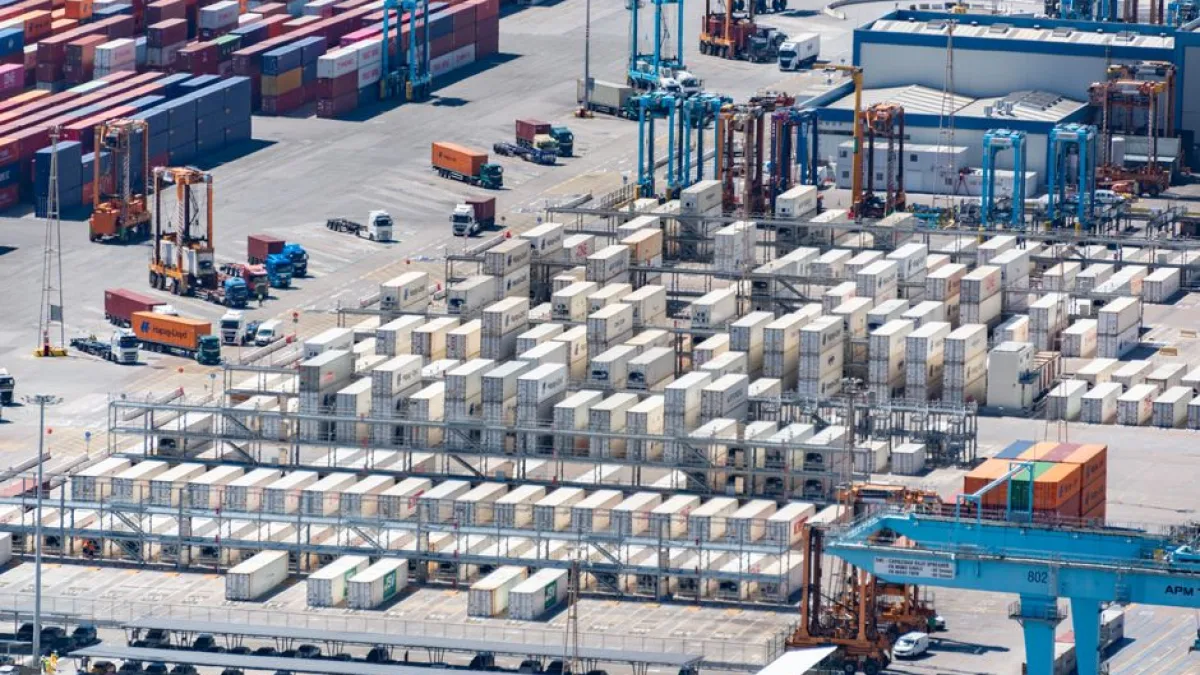
Embracing digital transformation is no longer optional for freight forwarders operating in the air cargo sector. By integrating cloud-based software, your organization can optimize workflows, improve transparency, and gain a significant edge over competitors. Start your journey toward operational excellence today by evaluating your current tech stack. MakeCargo provides the tools you need to build a faster, smarter, and more profitable logistics operation.