Optimizing Air Freight Operations with Modern Digital Tools
Wednesday, August 5 2026

The global air cargo sector is currently undergoing a radical transformation as market volatility and high consumer expectations force forwarders to seek superior operational efficiency. Leveraging cloud-based technology has moved from a competitive advantage to an absolute necessity for businesses managing complex logistics chains. By centralizing documentation, automating pricing, and providing real-time visibility, forwarders can significantly reduce manual errors while accelerating transit times. As we navigate a landscape defined by rapid changes in capacity and security regulations, adopting a unified digital platform ensures your firm remains resilient, profitable, and ready to scale alongside your most demanding international clients in the coming years.
Streamlining Booking Processes

Modern digital platforms allow freight forwarders to manage multiple carrier bookings through a single interface, effectively eliminating the need for fragmented communication channels. This centralized approach reduces data entry tasks and ensures that critical shipment details remain consistent across all systems.
- Automated Rate Search: Access real-time capacity and pricing from global airlines instantly to provide your clients with the most competitive options available without manual spreadsheet calculations or phone calls.
- Instant Booking Confirmations: Send electronic booking requests directly to carriers to receive immediate confirmation of space and flight details, drastically shortening your lead times and administrative burden significantly.
- Centralized Documentation Storage: Manage all airway bills and commercial invoices within a single cloud-based repository to ensure team members have constant access to essential files from anywhere.
- Dynamic Schedule Tracking: Monitor flight departures and arrivals across various global routes through a unified dashboard that provides live updates regarding potential delays or schedule changes.
By shifting to an automated booking workflow, your team can focus on value-added services rather than repetitive administrative data entry. This transition minimizes the risk of human errors in documentation, leading to smoother customs clearance processes. Investing in these digital tools empowers your staff to handle higher shipment volumes without increasing overhead costs, ultimately driving superior profitability for your forwarder business in competitive markets.
Enhancing Real-Time Cargo Visibility
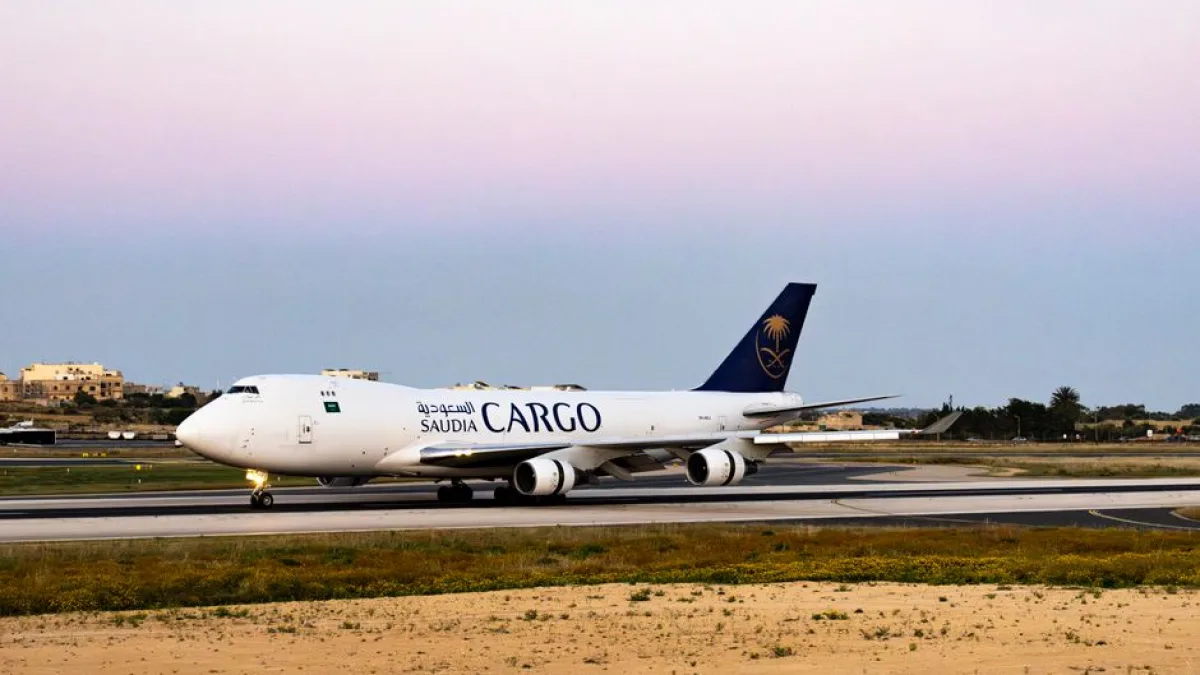
Providing clients with precise tracking updates is no longer optional in today's market. Digital platforms integrate directly with airline systems to provide high-fidelity status updates from warehouse pickup all the way through to final delivery at the destination airport.
- End-to-End Transparency: Offer your customers deep visibility into their supply chain status, reducing the volume of manual status inquiry emails and phone calls managed by your team.
- Automated Status Alerts: Trigger custom email or SMS notifications for clients whenever a milestone is reached, keeping them informed without requiring manual intervention from your office staff.
- Exception Management Tools: Receive early warnings about potential shipment delays or handling issues, allowing your operations team to proactively communicate with stakeholders to mitigate negative impacts effectively.
- Data-Driven Reporting: Access comprehensive logs of all shipment movements to analyze carrier performance and transit times, helping you make informed decisions about your future logistics partnerships.
Proactive transparency serves as a primary differentiator for freight forwarders looking to build long-term trust with high-value shippers. When clients can see the real-time status of their cargo, they gain confidence in your logistical expertise and service reliability. This digital visibility transforms the traditional customer relationship into a strategic partnership, ensuring your firm stays ahead of competitors who rely on manual, delayed tracking updates.
Mastering Air Cargo Compliance

Regulatory environments for international air freight are constantly evolving, requiring forwarders to maintain strict adherence to complex safety and security protocols. Integrated software solutions simplify the process of gathering and validating mandatory documentation to prevent costly clearance delays at borders.
- Automated Document Validation: Ensure every airway bill and security declaration contains the necessary information before submission, reducing the likelihood of government-imposed fines or shipment rejection at terminals.
- Digital Security Filings: Submit required security and safety data directly to customs authorities through integrated API connections that keep your records compliant with international aviation standards today.
- Updated Regulatory Databases: Access built-in libraries of global customs requirements that update automatically, ensuring your team is always aware of changes in trade compliance and restrictions.
- Secure Data Handling: Maintain the highest standards of data security with encrypted cloud storage systems that protect sensitive customer information and financial details from unauthorized digital access.
Maintaining strict compliance is vital for protecting your professional reputation and avoiding significant financial penalties. A robust software platform acts as a safeguard, ensuring that all regulatory hurdles are cleared smoothly and efficiently. By automating these essential tasks, you reduce the stress on your compliance department while maintaining the speed and accuracy that air freight clients demand for their sensitive global shipments.
Managing Carrier Relationships Digitally

Building strong relationships with airline partners requires consistent communication and clear performance data. Digital platforms provide the necessary insights to manage these partnerships effectively while ensuring that space allocation and capacity agreements are honored consistently throughout the year.
- Performance Analytics Dashboards: Analyze carrier reliability and pricing history using integrated reporting features that highlight which partners provide the best value for specific trade lanes or regions.
- Collaborative Communication Hubs: Use dedicated project management tools within your software to coordinate with airline representatives on space allotments and special handling requirements for sensitive cargo shipments.
- Capacity Management Tools: Track your existing block space agreements and volume commitments to ensure you maximize your contractual obligations while maintaining flexibility during peak shipping seasons annually.
- Digital Contract Management: Store all partner agreements and negotiated rates in a secure, searchable location to ensure your team always applies the correct pricing to new quotes.
Effective management of your carrier network allows you to negotiate better rates and secure capacity even during periods of high demand. When you possess hard data on carrier performance, your negotiations become much more objective and successful. This strategic approach to vendor management ensures your freight forwarding firm can consistently offer reliable service to clients, regardless of global capacity fluctuations or seasonal spikes.
Conclusion

Integrating cloud-based software into your air freight operations creates a foundation for scalable growth and superior customer service. By automating bookings, enhancing visibility, and ensuring compliance, your firm gains the agility needed to compete in a fast-paced market. Start optimizing your digital workflows today to reduce overhead and improve your bottom line. Contact the MakeCargo team to explore how our platform elevates your operations.