Optimizing Air Freight Operations for Modern Freight Forwarders
Wednesday, August 5 2026

The global air freight landscape is undergoing a massive digital transformation that requires forwarders to embrace advanced technology to remain competitive. As supply chains become increasingly complex and customers demand real-time visibility, relying on manual processes or disconnected spreadsheets is no longer a viable strategy for long-term growth. By leveraging cloud-based platforms, forwarders can automate tedious documentation, improve rate management accuracy, and foster better collaboration with airline carriers. Embracing these innovations allows your team to focus on high-value logistics challenges while ensuring that every shipment is tracked and managed with the precision required in modern fast-paced global air trade markets.
Mastering Digital Documentation

Modern digital documentation tools significantly reduce the administrative burden of air freight by automating airway bill creation and customs filing processes. Moving away from physical paperwork minimizes human errors and speeds up the clearance process for time-sensitive air cargo shipments.
- Automated Data Entry: Streamlining the transfer of data from customer requests to master air waybills reduces manual input errors and saves valuable time for your busy operations team members.
- Cloud Storage Access: Storing all shipping documentation in a secure cloud repository ensures that your staff can access essential files from any location to maintain operational continuity and transparency.
- Compliance Tracking Tools: Utilizing integrated software to monitor changing international aviation regulations helps your company stay compliant and avoids costly delays caused by incorrect or missing import documentation.
- Real-time Document Sharing: Providing instant access to electronic documents for customs brokers and airline agents fosters better collaboration and ensures that every stakeholder has the most current information.
By digitizing your documentation workflow, you create a scalable foundation for future expansion. When your team stops hunting for misplaced paper forms, they can dedicate more energy to improving client communication and securing new business partnerships. Adopting these modern digital practices ensures that your operations remain resilient, compliant, and ready to scale alongside the growing demands of your international logistics customers in every market.
Real-time Shipment Visibility
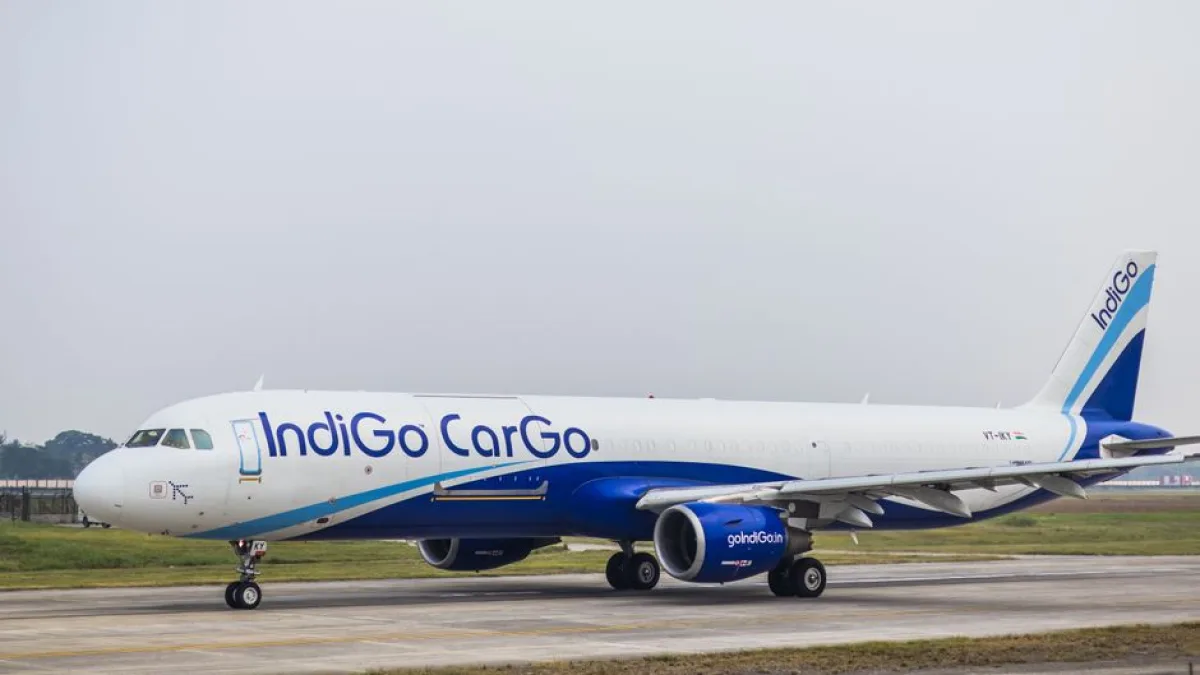
Providing customers with precise tracking data is essential for maintaining trust and satisfaction in air freight services. Advanced cloud platforms offer granular visibility into every stage of the transit process, ensuring that stakeholders stay informed about their urgent cargo status.
- Live Tracking Updates: Integrating live data feeds into your dashboard provides customers with automatic status notifications throughout the entire transit process, significantly reducing the volume of incoming status inquiries.
- Flight Status Monitoring: Proactive monitoring of flight arrivals and departures allows your team to anticipate potential delays and inform clients before the issue impacts their supply chain operations.
- Carrier API Integration: Connecting directly to airline systems through robust software APIs ensures that your tracking data is always accurate, current, and synchronized with actual carrier activities.
- Customer Portal Access: Offering clients a dedicated web portal to check their shipment progress promotes self-service and strengthens your reputation as a professional and transparent logistics provider.
Visibility is no longer a luxury but a fundamental requirement for modern freight forwarders handling high-priority goods. When you provide accurate, real-time data, you empower your customers to make informed decisions regarding their own inventory and production schedules. This level of service transparency builds long-term loyalty and positions your agency as a reliable partner in a highly competitive air freight shipping market.
Optimizing Rate Management

The volatility of air freight rates requires a sophisticated approach to pricing and quoting that allows forwarders to maintain healthy margins. Modern software tools enable your team to manage complex rate sheets and provide competitive quotes to clients quickly.
- Dynamic Rate Storage: Centralizing carrier tariffs and spot rates in one searchable database allows your team to generate accurate quotes for clients in seconds rather than waiting hours.
- Margin Analysis Tools: Sophisticated software allows you to evaluate the profitability of each quote by automatically factoring in surcharges, airline fees, and your own service margins.
- Bulk Rate Updates: Easily importing bulk updates from multiple airline partners ensures that your quote engine is always reflecting current market prices, helping you remain highly competitive.
- Automated Quote Generation: Sending professional, branded quotes directly from your platform enhances your corporate image and speeds up the sales cycle by simplifying the booking confirmation process significantly.
Efficient rate management is the secret to protecting your bottom line while keeping your clients happy. By minimizing the time spent on manual calculations and rate verification, you allow your sales team to respond faster to new inquiries and capitalize on fleeting market opportunities. Investing in an automated system ensures your agency maintains its competitive edge despite constant fluctuations in global air cargo prices.
Scaling Through Automation

As your air freight volume increases, scaling your operations through automation becomes necessary to prevent bottlenecks. Intelligent platforms handle repetitive tasks, freeing your staff to focus on strategic growth and providing high-quality service to your most important customers.
- Workflow Process Automation: Configuring automated triggers for task assignments and status updates ensures that no shipment is overlooked, even as your total volume of cargo grows significantly.
- Simplified Booking Management: Replacing manual email bookings with integrated digital booking tools reduces communication gaps and ensures that every carrier detail is recorded accurately in the system.
- Standardized Operational Workflows: Implementing consistent internal processes across your organization helps new employees onboard faster and ensures a uniform level of quality for every air shipment handled.
- Data Analytics Reporting: Utilizing built-in analytics dashboards allows you to identify trends in your shipping volume, carrier performance, and profitability to inform your future strategic business decisions.
Scalability requires a move away from reliance on individual effort toward a robust, system-led operational framework. When your software handles the heavy lifting, your team can concentrate on solving complex logistical problems and developing deeper relationships with key accounts. This transition to automated management is the ultimate catalyst for sustained success, allowing your business to expand efficiently without sacrificing your high service standards.
Conclusion

Transforming your air freight operations through cloud technology is the most effective way to drive growth and operational efficiency in today's digital market. By digitizing documentation, enhancing visibility, refining rate management, and automating your core processes, you position your agency for long-term success. Start integrating these advanced tools into your daily workflow to provide superior service while maximizing your company profit margins.