Optimizing Air Freight Operations with Modern Software Solutions
Friday, August 7 2026
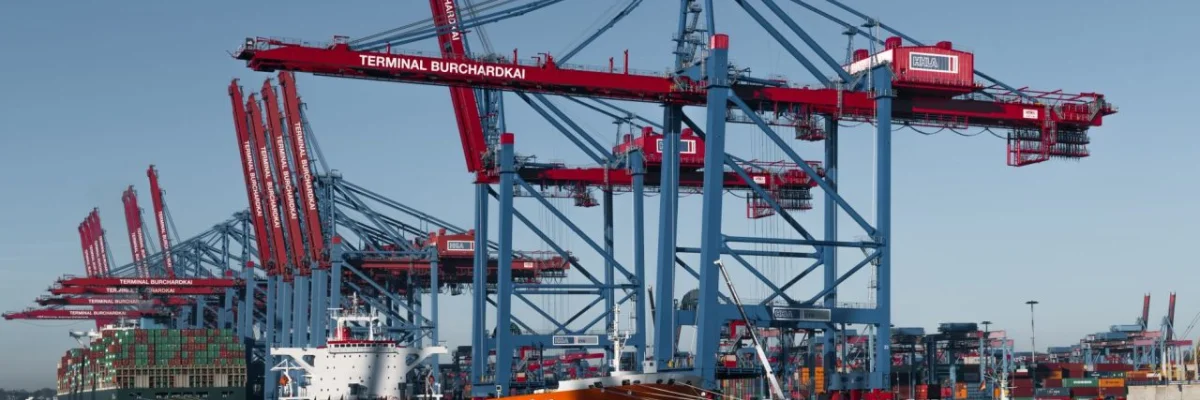
The global air freight industry faces unprecedented pressure as supply chain volatility demands greater agility and precision from logistics providers. Traditional manual processes often fail to keep pace with the complex requirements of modern air cargo management, leading to costly errors and missed capacity opportunities. By integrating cloud-based platforms, forwarders can gain real-time visibility into global routes, automate documentation, and communicate seamlessly with airline partners. Adopting digital-first strategies is no longer optional for companies aiming to thrive in a competitive marketplace. This shift allows businesses to scale their operations while maintaining high service standards for their demanding international clients.
Digitizing Booking Workflows

Streamlining the booking process is essential for air freight providers to reduce lead times and human error. Digital platforms enable instant access to carrier schedules and real-time pricing, allowing teams to secure space for time-sensitive shipments in just a few clicks.
- Automated Rate Search: Eliminate manual spreadsheets by pulling live rates from integrated carrier APIs directly into your dashboard for immediate comparison of cost versus transit time and availability.
- Instant Space Confirmation: Receive immediate feedback from airlines regarding capacity availability to ensure your urgent cargo secures a spot on the next flight without extensive back-and-forth communication.
- Standardized Data Entry: Minimize input errors by leveraging centralized booking forms that auto-populate shipping details based on your customer database and previous shipment histories for consistent data.
- Real-time Pricing Updates: Access dynamic fuel surcharges and currency fluctuations instantly so that your quotes remain accurate and competitive during a volatile market environment for air cargo.
Digital transformation fundamentally changes how forwarders interact with airline systems. By moving away from email-based booking requests, teams spend less time on administration and more time focusing on client relationships. This efficiency leads to faster response times and higher client retention rates. As volume grows, the ability to process bookings at scale becomes a major competitive advantage for growing freight forwarding companies.
Enhancing Shipment Visibility
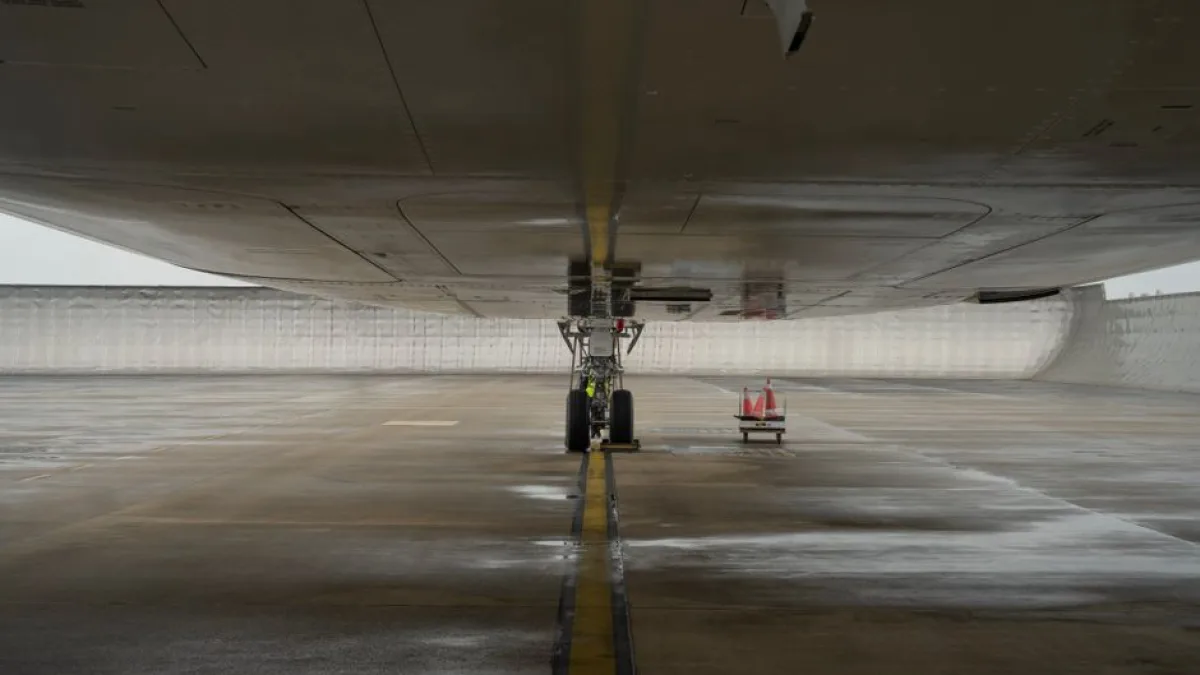
End to end transparency is the primary demand of shippers today. Modern air freight software provides comprehensive tracking features that monitor cargo status from warehouse pickup to final destination arrival, ensuring all stakeholders remain informed throughout the journey.
- Live Tracking Updates: Utilize automated status alerts that notify clients of their shipment progress as milestones are reached at the origin warehouse and destination delivery points globally.
- Integrated Milestone Tracking: Connect your software directly to air carrier systems to capture accurate milestone data, providing a unified view of the entire logistical journey for users.
- Exception Management Alerts: Receive proactive notifications regarding potential delays or flight cancellations so your operations team can resolve issues before they impact the final delivery schedule significantly.
- Centralized Documentation Hub: Maintain a secure digital library for every airway bill and customs invoice so your team can access critical shipping documents whenever they are needed.
True visibility requires more than just a tracking number. It demands a sophisticated platform that synthesizes data from multiple sources into a single user interface. When forwarders can identify bottlenecks in the supply chain early, they can offer proactive solutions to their customers. This level of reliability builds long-term trust, transforming simple service providers into indispensable partners for the world of global trade.
Streamlining Documentation Tasks

Manual paperwork often represents the biggest bottleneck in air cargo operations. Transitioning to an electronic document workflow saves thousands of hours annually, reduces the risk of customs rejection, and ensures that sensitive cargo clears international borders without unnecessary bureaucratic friction.
- E-Airway Bill Integration: Transition to digital airway bills that communicate directly with ground handlers to ensure fast processing and compliance with the latest global air transport regulations.
- Customs Compliance Automation: Leverage built-in checks that verify your shipping documentation against local customs requirements to avoid costly fines and delays at the destination air hub.
- Cloud Document Storage: Securely store your essential files in the cloud to protect them against physical damage while ensuring accessibility for team members working from different offices.
- Document Template Creation: Utilize reusable templates for recurring shipping scenarios to speed up the generation of invoices and packing lists while maintaining perfect accuracy and professional formatting.
Reducing manual labor through automation allows your staff to focus on high-value tasks. Instead of spending hours correcting typos on a commercial invoice, employees can engage in strategic planning and network expansion. This shift toward intelligent document management ensures that every shipment complies with evolving international trade laws, protecting both the forwarder and the shipper from liability issues during transit.
Leveraging Data Analytics

Data is the most valuable asset in modern logistics, yet many freight forwarders fail to analyze their own operational metrics. Advanced software tools provide clear insights into performance, helping managers make informed decisions regarding carrier selection, route efficiency, and overall profit margins.
- Performance KPI Reporting: Monitor your team efficiency and carrier reliability scores using graphical dashboards that visualize key performance indicators across your entire active air freight shipment portfolio.
- Route Cost Analysis: Evaluate historical data to identify the most cost-effective and reliable airline routes for your specific cargo lanes, optimizing your budget for future shipments effectively.
- Volume Forecasting Tools: Utilize advanced predictive analytics to anticipate peak season demand based on historical data patterns so you can negotiate better space allocations with airline partners.
- Profitability Margin Tracking: Break down costs for every single shipment to determine which lanes and services generate the highest revenue for your company and adjust strategies accordingly.
Data driven decision making turns raw logistics information into a strategic weapon. By understanding where your company excels and where it faces challenges, you can allocate resources more effectively to improve profitability. Software analytics provide the transparency needed to justify changes to stakeholders and clients alike. In an industry defined by tight margins, these insights are essential for long-term growth.
Conclusion

Optimizing air freight operations requires a balance of technological adoption and strategic planning. By automating booking workflows, enhancing shipment visibility, and utilizing data-driven insights, forwarders can significantly increase their operational efficiency. MakeCargo provides the tools necessary to bridge these gaps, helping you navigate the complexities of global logistics. Start optimizing your air freight processes today to ensure your business remains ahead of the competition.