Optimizing Air Freight Operations with Modern Software Solutions
Sunday, August 9 2026

The global air freight industry remains a critical lifeline for time-sensitive supply chains, yet freight forwarders often struggle with the complexity of real-time visibility and document management. As consumer demand for rapid delivery increases, professionals must transition away from manual data entry and disjointed spreadsheets toward integrated cloud-based platforms. By leveraging automation, forwarders can minimize human error, reduce overhead costs, and provide superior client service. This article explores how technology transforms air logistics, enabling teams to scale operations while maintaining precision in a fast-paced environment. Embracing digital tools is no longer a luxury but a necessity for surviving modern competition.
Streamlining Booking Processes

Digitizing the booking process is essential for reducing lead times and ensuring seamless communication with airline carriers. Modern platforms allow forwarders to compare rates and routes instantly, eliminating the need for tedious manual email exchanges and redundant phone verification procedures.
- Instant rate comparison: Access live pricing from multiple major carriers simultaneously to ensure your clients receive the most competitive market rates for their specific air freight cargo shipments today.
- Automated booking confirmation: Receive immediate digital updates when space is secured, allowing your team to notify customers and prepare warehouse logistics without waiting for manual confirmation from airlines.
- Reduced manual entry: Synchronize shipment details directly from your dashboard into carrier systems, significantly lowering the risk of transcription errors that lead to costly delays and rework.
- Unified communication logs: Maintain a centralized history of all booking interactions with carriers, ensuring that your entire team stays informed on the status of every air shipment.
Adopting automated booking workflows allows freight forwarders to pivot from administrative tasks to strategic account management. By cutting the time spent on repetitive data entry, your staff can focus on solving complex logistical challenges and building stronger relationships with shippers. These efficiencies translate into faster turnaround times and a more reliable service offering that ultimately differentiates your business in a crowded marketplace.
Real-Time Cargo Tracking
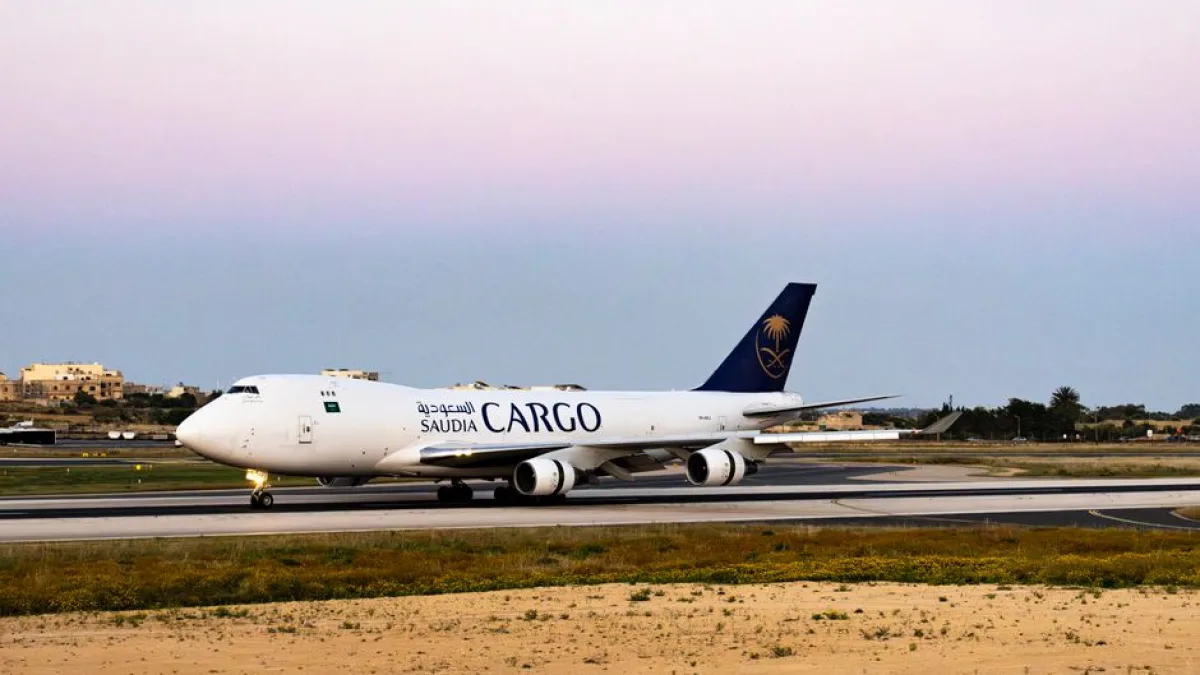
Visibility is the backbone of trust in the logistics sector, especially when handling high-value or perishable air cargo. Integrating live tracking features gives both forwarders and end customers total transparency regarding the precise location and status of their goods.
- Live status updates: Provide clients with real-time notifications at every critical milestone, from the initial warehouse pickup to the final delivery at the destination airport terminal facility.
- Exception management alerts: Receive proactive warnings regarding potential flight delays or customs holdups, allowing you to inform your clients early and propose alternative solutions before issues escalate.
- Automated milestone reporting: Configure custom triggers that send automatic updates to stakeholders, reducing the volume of inbound inquiries your customer service team receives on a daily basis.
- Integrated map views: Utilize advanced dashboard visualizations to monitor global air traffic, helping your team make data-driven decisions when unexpected weather or geopolitical events disrupt standard routes.
Providing granular visibility into air shipments transforms the customer experience from reactive to proactive. When clients can track their cargo via a self-service portal, your team spends less time handling status inquiries and more time optimizing delivery schedules. This level of transparency reinforces your brand as a reliable partner capable of managing the most urgent logistics requirements with professional precision and clarity.
Optimizing Customs Documentation

Customs compliance is a major bottleneck in air freight, often causing significant delays at busy international airports. Automated document management systems simplify the filing process by validating data against international regulations to ensure that shipments clear borders without unnecessary scrutiny.
- Automated document templates: Generate standard air waybills and commercial invoices using pre-filled data from your shipment records, which ensures consistency and compliance with global aviation regulatory standards.
- Digital storage archives: Keep all import and export documentation securely stored in the cloud, allowing for rapid retrieval during routine audits or whenever unexpected customs inquiries occur.
- Compliance validation checks: Run automated software scans on all documentation to detect missing information or incorrect codes before submission, effectively preventing costly fines and clearance delays.
- Collaborative document editing: Enable your team and overseas agents to contribute to document packages simultaneously, fostering better teamwork and reducing the risk of version control errors.
Efficient documentation practices are vital for maintaining fluid movement through busy air hubs. By utilizing software that automates compliance, you protect your company from regulatory risks while speeding up the release of goods to the end recipient. This focus on accuracy not only streamlines operations but also fosters greater confidence among your clients, as they know their shipments are handled with professional care.
Scaling Through Cloud Integration

The move to cloud-based software empowers freight forwarders to scale operations effortlessly by connecting disparate business units into one cohesive ecosystem. This integration fosters collaboration, drives efficiency, and prepares companies for the future of digital logistics across all air transport channels.
- Seamless data sharing: Ensure that all departments, from sales to operations, access the same live data, preventing siloed information and improving internal communication across your entire company.
- Scalable cloud infrastructure: Adjust your software capacity as your business grows, adding new users and features without the need for expensive hardware or complex IT upgrades.
- Remote access capabilities: Support a flexible, modern workforce by allowing staff to manage air freight operations from any location with an internet connection, improving overall operational agility.
- API connectivity features: Integrate your freight platform with accounting, CRM, and carrier systems to create a unified workflow that removes manual data silos across your organization.
Integrating cloud technology into your daily workflows provides the flexibility needed to succeed in an unpredictable air freight market. As your infrastructure becomes more resilient and interconnected, you gain the agility to respond to market shifts and customer needs immediately. Investing in a robust software foundation positions your freight forwarding business for long-term growth, higher profitability, and sustained excellence in global logistics.
Conclusion
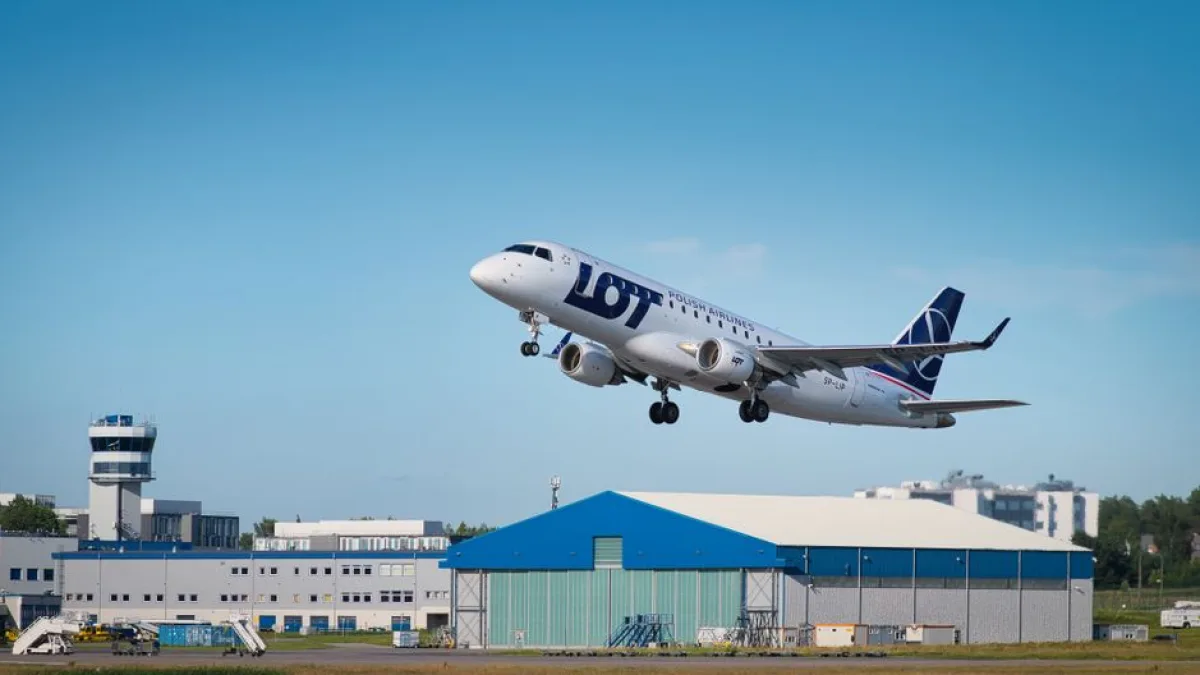
Mastering modern air freight operations requires a commitment to digital transformation and smart software integration. By streamlining bookings, enhancing visibility, automating documentation, and utilizing cloud tools, forwarders can achieve unmatched operational efficiency. Start your journey toward a more agile logistics business today by choosing technology that grows with your needs. Reach out to MakeCargo to discover how our platform optimizes your freight forwarding processes.