Optimizing Air Freight Operations for Modern Freight Forwarders
Tuesday, August 11 2026
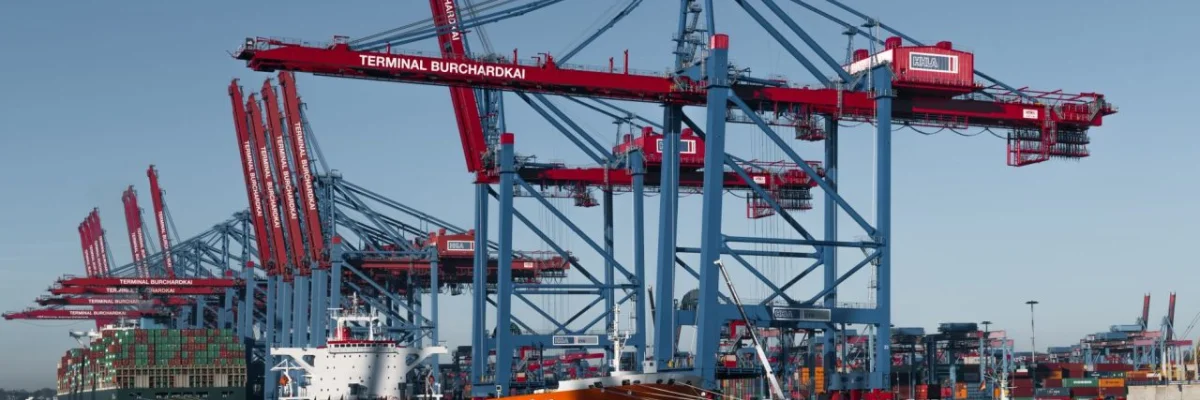
Air freight remains the fastest and most reliable mode of transport for high-value and time-sensitive cargo in the global supply chain. As market volatility increases and customer expectations for real-time visibility soar, freight forwarders must transition from manual workflows to digitized logistics solutions. By leveraging advanced cloud-based platforms, professionals can effectively manage complex bookings, automate documentation, and provide seamless tracking updates. This article explores how modern technology empowers forwarders to navigate air freight challenges, reduce operational overhead, and maintain competitive margins while ensuring that goods move efficiently from origin to destination across the globe.
Mastering Air Cargo Logistics

Digital transformation in air cargo starts with robust operational planning and capacity management strategies. Modern software enables teams to coordinate complex movements across multiple hubs while ensuring that every shipment meets the stringent security and regulatory requirements of international aviation standards.
- Automated Booking Flows: Streamline your entire booking process by connecting directly with airline APIs to receive instant updates on space availability and current pricing for specific shipping lanes.
- Capacity Management Tools: Use data analytics to predict space requirements during peak seasons, ensuring that your clients maintain priority access to critical capacity on high-demand global flight paths.
- Documentation Digitization: Transition from paper-based air waybills to integrated digital systems that automate the generation of compliance documents and customs declarations for faster processing at cargo terminals.
- Real-time Carrier Sync: Maintain a constant stream of communication with airline partners to ensure that scheduling changes or unexpected flight cancellations are addressed immediately to protect client deadlines.
Forwarders who embrace these digital tools significantly reduce the risk of human error during the documentation phase. By centralizing all communications and data inputs within a single cloud-based dashboard, your team can pivot quickly when disruptions occur. This level of agility is essential for maintaining service quality in a high-pressure industry where every hour spent on the ground affects your overall performance metrics.
Leveraging Advanced Shipment Tracking

Real-time visibility is no longer a luxury but a fundamental necessity for global shippers. By integrating advanced tracking sensors and API connections, forwarders provide clients with precise status updates, fostering deeper trust and long-term partnerships throughout the lifecycle of every air shipment.
- Predictive Status Updates: Utilize automated alerts that notify stakeholders of any location changes or potential delays so that proactive measures can be taken before the shipment status impacts business.
- End-to-End Visibility: Monitor every stage of the journey from the warehouse pickup to the final airport delivery by integrating data streams from multiple regional ground handling partners.
- Customized Client Portals: Offer your customers a branded portal where they can view live updates and download documents independently, reducing the volume of status inquiries handled by support.
- Exception Management Alerts: Configure your software to send immediate notifications to your operations team whenever a shipment deviates from its planned path, allowing for rapid and corrective intervention.
Visibility serves as the backbone of modern freight forwarding services and builds significant value for your brand. When clients have the power to monitor their goods through an intuitive web interface, they feel more confident in your logistical expertise. This transparency reduces the administrative burden on your staff while simultaneously improving the customer experience by providing them with the exact data they need daily.
Improving Compliance and Safety
Navigating the complex landscape of international aviation regulations requires diligent attention to detail. Software solutions that feature automated compliance checks ensure that every shipment adheres to safety standards, thereby avoiding costly fines and preventing significant delays during the pre-loading inspection phase.
- Automated Compliance Screening: Run instant checks against global denied party lists and regulatory databases to ensure that all cargo shipments meet legal requirements for export and import processes.
- Dangerous Goods Management: Use specialized modules designed to flag hazardous materials and ensure that all documentation includes the correct safety warnings and handling instructions for airline staff.
- Customs Integration Modules: Sync your software with local customs authorities to file declarations electronically, which accelerates the clearance process and reduces time spent at the arrival terminal facilities.
- Security Documentation Storage: Keep all mandatory security records and certificates in a secure, encrypted cloud environment that allows for easy retrieval during audits or airport inspections at destination.
Maintaining high compliance standards protects your business from legal liabilities while building a reputation for reliability. When you use integrated software to handle the intricacies of air freight safety, your team can focus on growth rather than tedious paperwork. This focus on operational excellence ensures that your shipments move through security checkpoints without friction, keeping your supply chain lean and highly profitable overall.
Future Trends in Air Freight

The air freight industry is constantly evolving due to shifts in global trade policies and advancements in automation technology. Forwarders who prioritize technological adoption today will be better positioned to capitalize on emerging trends such as green logistics and automated warehouse interactions later.
- Sustainable Shipping Options: Implement features that calculate carbon emissions for each flight route, allowing your clients to choose environmentally conscious options that align with their corporate social responsibility goals.
- AI-Powered Route Planning: Leverage machine learning algorithms that analyze historical flight performance data to recommend the most cost-effective routes for complex or oversized cargo shipments during peak weeks.
- Blockchain for Security: Investigate the use of distributed ledger technology to create immutable records of shipment history, which enhances trust and security during high-value international trade transactions daily.
- Integrated Warehouse Robotics: Sync your software with automated warehouse hardware to optimize the speed of pallet loading, which minimizes the time that cargo spends sitting on the tarmac.
Staying ahead of the curve requires an ongoing commitment to technological innovation and strategic planning for the next decade. As competitors adopt faster and more accurate tools, your ability to integrate these advancements into your daily workflow becomes a critical differentiator. By consistently evaluating your internal software capabilities, you ensure your agency remains a leader in the rapidly shifting global air freight market.
Conclusion

Successful air freight management depends on your ability to combine expert knowledge with powerful digital tools. By automating workflows, enhancing real-time visibility, and strictly managing compliance, you create a more resilient logistics operation. Start optimizing your air freight processes with MakeCargo today to ensure your team remains at the forefront of the industry. Contact our experts to learn how we help forwarders scale efficiently.