Optimizing Air Freight Operations in a Digital Era
Thursday, August 13 2026

The global air freight landscape is evolving at a breakneck pace, driven by the immediate need for transparency, speed, and real time visibility. Freight forwarders are increasingly moving away from manual processes to cloud based systems that integrate seamlessly with airline partners. As market demands shift toward smaller, more frequent shipments, digital transformation has transitioned from a luxury to a fundamental necessity for survival. This article examines the essential components of modern air cargo management, providing actionable insights for professionals aiming to increase their operational efficiency while maintaining competitive service standards in a complex, data driven industry.
Leveraging Digital Documentation

Electronic documentation serves as the backbone of modern air logistics by reducing administrative burdens and minimizing costly human errors. By digitizing the air waybill and customs paperwork, forwarders can ensure faster processing times and improved accuracy throughout the entire shipping cycle.
- Real time syncing: Cloud platforms update shipment statuses instantly, allowing your team to access critical flight information and documentation from anywhere in the world without traditional filing delays.
- Reduced error rates: Automated data entry features significantly decrease the probability of manual typing mistakes which often lead to customs clearance hold ups and unexpected storage fees.
- Enhanced compliance levels: Modern software solutions automatically validate customs requirements against current international regulations, keeping your firm compliant with evolving local and global aviation authority security mandates.
- Faster document turnaround: Electronic filing systems expedite the transmission of airway bills to airlines, effectively cutting down hours of operational downtime during peak cargo departure windows.
Adopting a paperless workflow is no longer just about environmental sustainability, but also about securing a competitive advantage in a fast paced market. Forwarders who utilize digital tools can manage higher shipment volumes with fewer staff members, effectively increasing profit margins. As global trade continues to demand rapid responses, the ability to process documentation digitally ensures that your logistics operations remain agile and highly responsive.
Optimizing Cargo Space Utilization

Effective cargo space utilization requires a strategic approach to loading patterns and airline capacity management. Forwarders must balance weight and volume constraints to avoid surcharges while ensuring that each flight is packed efficiently to maximize profitability per pallet or unit.
- Advanced load planning: Intelligent software calculates the optimal volume and weight distribution, preventing inefficient space usage and helping you negotiate better rates with major international cargo airline partners.
- Direct carrier integration: Automated booking systems allow forwarders to compare live capacity availability across multiple airlines, ensuring the best fit for specific shipment dimensions and urgent delivery timelines.
- Consolidation strategy management: Sophisticated algorithms help group smaller shipments into single master air waybills, which significantly lowers overall freight costs for your clients while increasing your firm revenue.
- Dynamic volume assessment: Measuring volumetric weight correctly is essential for preventing surprise carrier charges, ensuring that your quoting process remains profitable regardless of the cargo density involved.
Mastering the art of cargo consolidation and space optimization transforms how freight forwarders approach complex logistics challenges. By minimizing unused capacity, firms can pass savings on to customers while improving their own bottom line performance. Effective space management is a critical pillar of air freight success, directly influencing the financial outcomes of every single shipment coordinated through your global network.
Improving Visibility and Tracking

Providing customers with high quality tracking information is the hallmark of professional freight services. Modern air freight platforms now offer comprehensive visibility, allowing both the forwarder and the shipper to monitor every stage of the transit process in real time.
- Automated status updates: Proactive notification systems send instant alerts to your clients whenever a shipment moves between hubs, which builds lasting trust and reduces repetitive inquiry calls.
- Customized dashboard views: Powerful interface tools allow your operations team to filter shipments by urgency or destination, providing a clear overview of the status of all active flights.
- Milestone tracking precision: Tracking specific events like aircraft departure, landing, and final customs release ensures that every stakeholder remains informed regarding the exact location of their goods.
- Exception management alerts: Intelligent monitoring detects delays automatically, allowing forwarders to communicate potential issues to customers before they escalate into major problems that damage business relationships.
Transparent communication is a core asset that distinguishes top tier freight forwarding companies from their competitors. By providing granular visibility into every step of the air freight journey, you empower your customers to make informed business decisions. This level of clarity fosters long term loyalty and establishes your brand as a reliable leader within the highly volatile international logistics sector.
Building Resilient Partner Networks
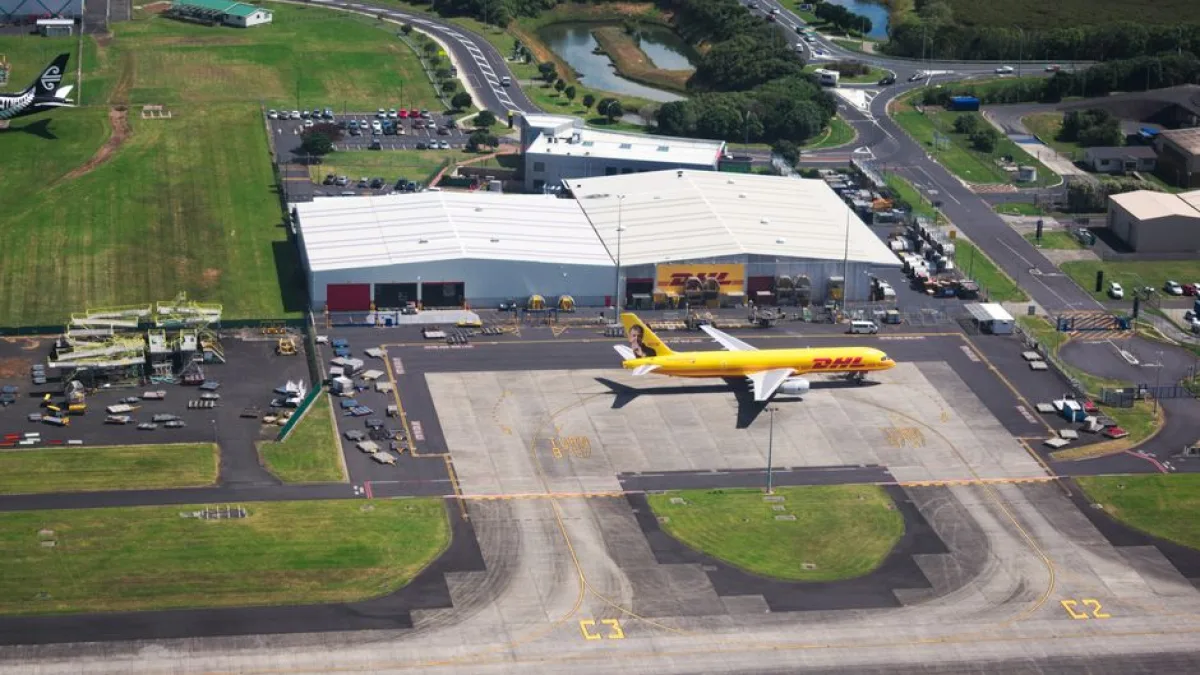
Developing strong relationships with global airline partners is essential for navigating market volatility and capacity shortages. A resilient network ensures that your freight can move efficiently even during periods of extreme industry instability or sudden global supply chain disruptions.
- Strategic airline alliances: Building direct relationships with cargo airline managers helps forwarders secure priority space and preferential pricing, even during busy peak seasons when capacity is limited.
- Intermodal connectivity planning: Integrating air cargo with ground transportation networks ensures a seamless hand off at the destination airport, reducing total transit time and improving service reliability.
- Proactive capacity hedging: Advanced digital platforms allow you to analyze historical data, helping you reserve necessary cargo space in advance to avoid potential inventory shortages or delays.
- Partner performance monitoring: Utilizing data analytics to score your airline partners based on their service quality allows you to refine your network for maximum operational performance.
Resilience in the air freight market is built upon data driven decisions and robust professional partnerships. When you proactively manage your carrier relationships using digital tools, you create a buffer against external market shocks. Investing in these connections guarantees that your company remains prepared for any challenges while consistently delivering exceptional value to your diverse client base around the globe.
Conclusion

Successfully managing modern air freight requires a blend of digital agility, strategic space planning, and proactive partner management. By embracing cloud based technology, freight forwarders can streamline operations, enhance customer visibility, and secure a stronger position in the global market. Contact the MakeCargo team today to learn how our software can help your organization modernize your logistics processes and achieve superior freight forwarding results.