Optimizing Air Freight Operations for Modern Freight Forwarders
Monday, August 17 2026
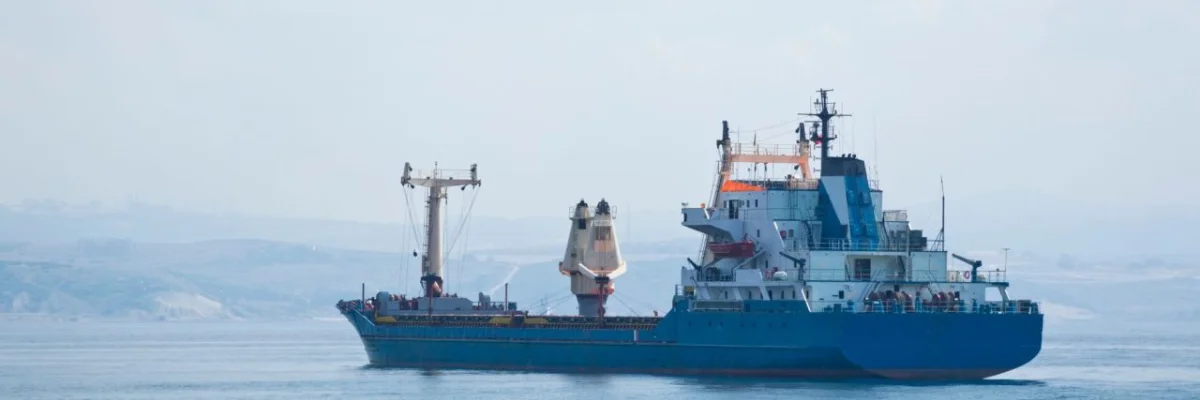
The global air freight landscape is undergoing a massive transformation driven by the need for speed and unprecedented operational transparency. For freight forwarders, managing high-value, time-sensitive shipments requires more than just traditional logistics coordination; it demands a sophisticated digital approach. As market volatility continues to influence capacity and pricing, professionals must leverage advanced cloud-based tools to maintain a competitive edge. By integrating intelligent automation and real-time data tracking into daily workflows, forwarders can minimize human error and ensure that every cargo movement is executed with precision, ultimately delivering superior value to their demanding global clients and partners.
Leveraging Advanced Capacity Planning
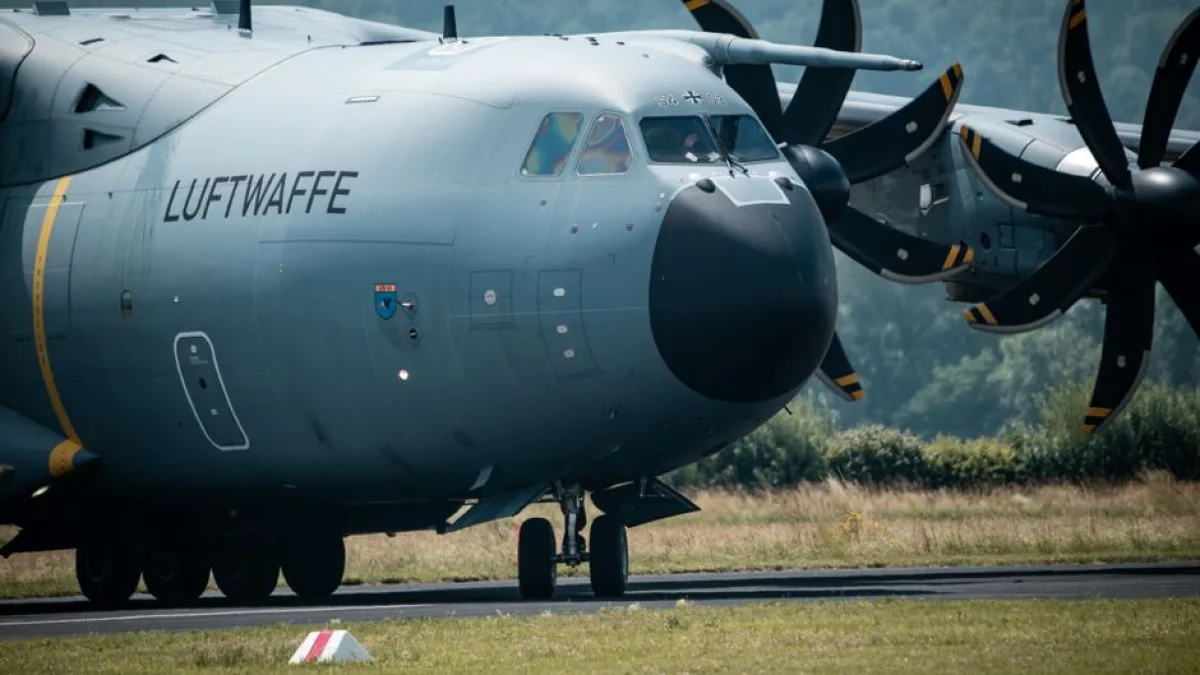
Strategic capacity planning allows freight forwarders to anticipate market shifts before they affect delivery schedules. By utilizing cloud-based predictive analytics, teams can secure space during peak seasons while effectively managing the complex documentation required for international air transport logistics and compliance.
- Automated space booking: Integrate directly with airline systems to secure cargo space in seconds while eliminating manual communication delays that often hinder rapid response times during high demand.
- Route optimization tools: Utilize intelligent software to identify the most efficient flight paths that balance speed requirements with fuel costs and current global aviation weather constraints.
- Real-time visibility dashboards: Gain complete oversight of shipment status from initial pickup to final destination arrival, providing stakeholders with actionable insights throughout the entire logistics journey.
- Dynamic pricing management: Adjust your service offerings instantly based on fluctuating fuel surcharges and carrier rates, ensuring that your profit margins remain protected against sudden market volatility.
- Collaborative workflow automation: Streamline internal communication between departments to reduce bottlenecks, ensuring that every team member has access to updated shipment details without needing manual reporting.
Mastering capacity planning transforms your business from a reactive service provider into a proactive logistics partner. When you anticipate challenges and automate routine booking tasks, your team gains time to focus on complex client needs and long-term strategy. This shift in operational mindset is essential for thriving in today's fast-paced aviation market, where precision and reliability are the primary currencies for success.
Enhancing Digital Documentation Accuracy

Accuracy in air waybill preparation is the backbone of efficient air freight forwarding operations. Digital platforms now allow for the automated validation of customs paperwork, significantly reducing the common delays caused by entry errors and non-compliant shipping labels during export.
- Customs compliance integration: Automatically synchronize your documentation with global customs regulations to ensure that every shipment meets local requirements without needing multiple manual validation steps.
- Automated data extraction: Use advanced character recognition technology to pull critical information from invoices and packing lists, drastically reducing the time spent on manual data entry.
- Electronic air waybills: Transition to digital airway bills to accelerate the speed of processing and enhance the accuracy of information shared with airline partners during transit.
- Centralized document storage: Maintain a secure cloud repository for every shipping document, allowing for instant retrieval during audits or inquiries from customers and government authorities.
- Smart error detection: Enable built-in validation checks that flag missing fields or conflicting data points before the final submission of shipping documents to international carriers.
Digital documentation management eliminates the friction associated with traditional paper-based workflows. By ensuring data accuracy at the source, freight forwarders avoid costly customs fines and unnecessary shipment delays at terminal facilities. Investing in these digital safeguards protects your company reputation and builds stronger trust with clients who expect nothing less than absolute perfection when dealing with high-priority international air shipments.
Managing Time Sensitive Shipments

Time sensitive shipments require a specialized level of attention and constant monitoring. Freight forwarders must deploy rigorous tracking protocols to ensure that high-value cargo moves seamlessly through busy airport hubs while maintaining the highest levels of security and cargo integrity.
- Milestone based notifications: Provide clients with automated updates at every critical stage of the transit process, ensuring that they remain informed throughout the entire shipment timeline.
- Predictive delay warnings: Receive early alerts regarding potential flight cancellations or ground handling delays, allowing your team to proactively reroute shipments to maintain promised delivery deadlines.
- Integrated security tracking: Implement digital seals and sensor technologies that monitor the physical condition of cargo, ensuring sensitive items remain secure throughout their journey on aircraft.
- Prioritized handling requests: Communicate directly with terminal ground staff through digital platforms to ensure that urgent shipments receive preferential treatment during loading and offloading processes.
- Rapid incident response: Access real-time support tools to troubleshoot unexpected transit issues, enabling your team to resolve problems instantly before they impact the final delivery schedule.
Efficiency in managing urgent cargo relies on your ability to react to data-driven insights. By maintaining constant visibility over your air freight movements, you empower your team to overcome unexpected logistical hurdles with speed and confidence. This level of responsiveness is exactly what distinguishes a professional freight forwarder from the competition, securing your position as an essential player in the global supply chain.
Scaling Operations Through Automation

Automation allows forwarders to scale their operations without increasing headcount proportionally. By automating mundane tasks such as carrier status updates and client invoicing, your business can handle a higher volume of air freight while maintaining a high quality service standard.
- Automated billing cycles: Connect your shipping software to accounting systems to ensure that invoices are generated and sent immediately upon the successful completion of cargo delivery.
- Customized client reports: Generate automated performance reports that provide your customers with transparent insights into their logistics spend, transit times, and overall operational efficiency metrics.
- Scalable cloud architecture: Utilize platform solutions that grow alongside your business, allowing you to add new users and routes without needing expensive hardware upgrades or installations.
- Carrier performance tracking: Collect and analyze data regarding carrier reliability, helping you make informed decisions when selecting partners for future air freight shipments and route planning.
- Cross-departmental synchronization: Ensure that sales, operations, and finance teams are always viewing the same data, fostering better internal collaboration and faster decision making across the firm.
Embracing automation is the most effective path toward sustainable growth in the air freight industry. As your software handles the repetitive operational tasks, your experts can focus on expanding service offerings and deepening client relationships. Building a foundation of automated processes today will prepare your business to handle the complexities of tomorrow, ensuring you remain agile and profitable regardless of market fluctuations.
Conclusion

Successful air freight management is built on a foundation of digital connectivity and proactive decision-making. By adopting advanced software solutions, freight forwarders gain the tools necessary to master complexity and deliver consistent value. As you implement these strategies, remember that your ultimate goal is reliability. Keep your focus on data transparency and operational efficiency to ensure your firm leads the global logistics market.