Optimizing Air Freight Operations with Advanced Cloud Technology
Thursday, August 20 2026
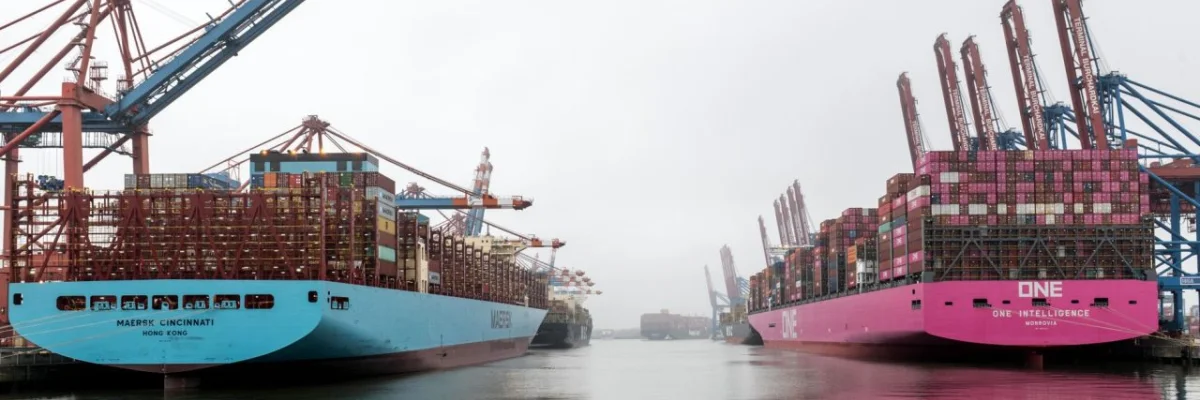
Air freight remains the heartbeat of global supply chains, offering unparalleled speed for time-sensitive cargo. As markets become increasingly volatile, modern freight forwarders must transition from manual processes to agile, cloud-based workflows to maintain a competitive edge. Relying on legacy spreadsheets and disjointed communication channels is no longer sustainable in an industry that demands real-time visibility and instant responsiveness. By integrating specialized software solutions, businesses can transform their operational capacity, reduce costly delays, and provide a superior customer experience. Embracing digital transformation is the definitive path forward for any logistics professional aiming to master the complexities of global air logistics.
Streamlining Booking Processes

Modern digital platforms enable forwarders to automate booking requests with major airlines, significantly reducing administrative overhead and human error. Transitioning to integrated systems ensures that every shipment is processed with speed and accuracy from the moment of initial inquiry to final execution.
- Automated Rate Search: Access real-time spot rates from global carriers to provide instant quotations to customers, which drastically improves your response time and conversion rates for high-value logistics inquiries.
- Instant Capacity Checking: Validate space availability across multiple flight schedules immediately, ensuring that your planning phase is based on live data rather than outdated carrier promises or estimated timelines.
- Digital Document Handling: Upload and manage house air waybills or commercial invoices directly within the software to maintain a clean audit trail and prevent potential customs clearance delays globally.
- API Carrier Integration: Connect your platform directly with major airline systems to push booking data instantly, eliminating the need for manual data entry or repetitive email exchanges with agents.
Adopting automated booking systems fundamentally changes how forwarders interact with the broader logistics network. By removing the friction associated with traditional manual requests, teams can focus their valuable time on high-level strategy and client relationship management. This shift not only accelerates individual shipment cycles but also builds a scalable foundation for business growth in an increasingly fast-paced and demanding global freight marketplace.
Enhancing Shipment Visibility
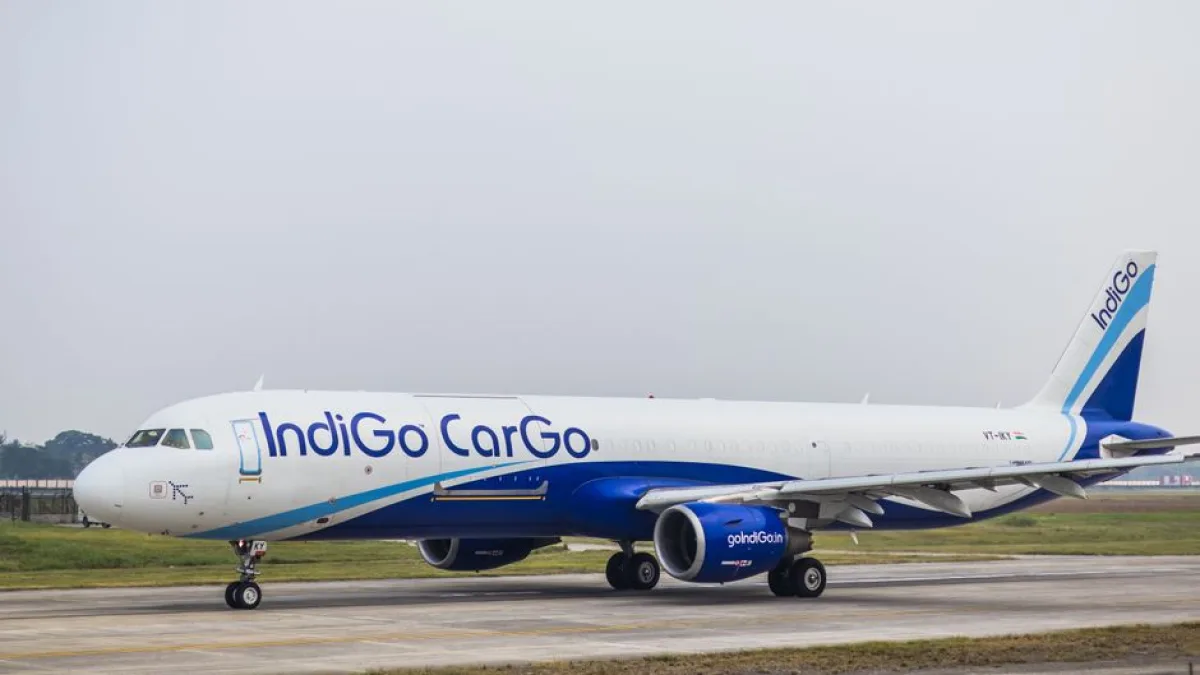
Real-time visibility is essential for managing customer expectations and mitigating risks throughout the air transit journey. Advanced cloud platforms offer granular tracking updates that empower forwarders to proactively identify and resolve potential disruptions before they impact final delivery schedules or costs.
- Live Status Updates: Receive automated alerts regarding flight departure, arrival, and customs status changes, keeping your operations team and your end customers fully informed at every single stage.
- Integrated Mapping Tools: Utilize visual dashboard interfaces to monitor the exact geographical progress of your cargo, providing a clear overview of global movements across different transit hubs worldwide.
- Exception Management Alerts: Receive instant notifications when a shipment faces a delay at security or transit points, allowing for rapid intervention to prevent major supply chain bottlenecks.
- Client Portal Access: Empower your customers by providing them with a secure web portal to track their own air shipments independently, which reduces incoming customer service queries effectively.
Transparency is no longer a luxury but a fundamental necessity for modern air freight management. By providing constant, reliable data to all stakeholders, forwarders can significantly enhance trust and operational efficiency. The ability to manage shipments proactively through integrated digital tools ensures that unexpected events are handled with precision, maintaining your reputation for reliability even when global logistics chains face significant external pressure.
Managing Customs Compliance
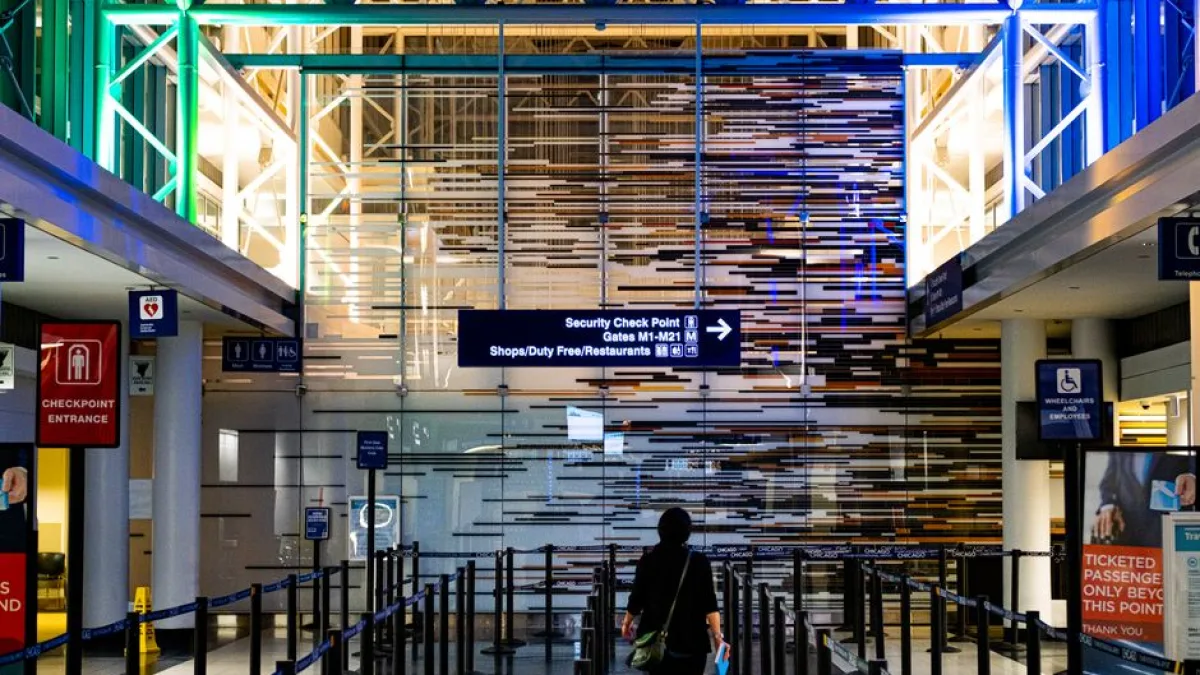
Customs compliance represents one of the most critical stages in the air freight lifecycle. Navigating diverse international regulations requires rigorous documentation management, which is best achieved through cloud systems that store, validate, and submit required data to authorities with maximum efficiency.
- Regulatory Data Validation: Automatically cross-check shipment documentation against local trade regulations to ensure compliance, effectively preventing costly fines or major cargo seizures at key international arrival ports.
- Automated Filing Protocols: Submit electronic customs declarations directly from your management software to government platforms, significantly reducing the turnaround time for clearance compared to manual paper-based filing methods.
- Archived Compliance Records: Maintain a centralized digital repository of all historical customs documentation, which is essential for conducting internal audits and responding to potential trade authority inquiries.
- Harmonized Code Accuracy: Utilize built-in tools that help identify correct HS codes for diverse products, ensuring that duty calculations and clearance processes remain accurate and compliant with rules.
Efficient customs processes are the backbone of any successful air freight operation. By centralizing your compliance efforts within a cloud-based framework, you eliminate the risks associated with missing paperwork or incorrect filings. Investing in software that handles complex regulatory requirements allows your team to navigate borders with confidence, ensuring that your customers cargo flows seamlessly through complex global regulatory environments without interruption.
Optimizing Warehouse Throughput
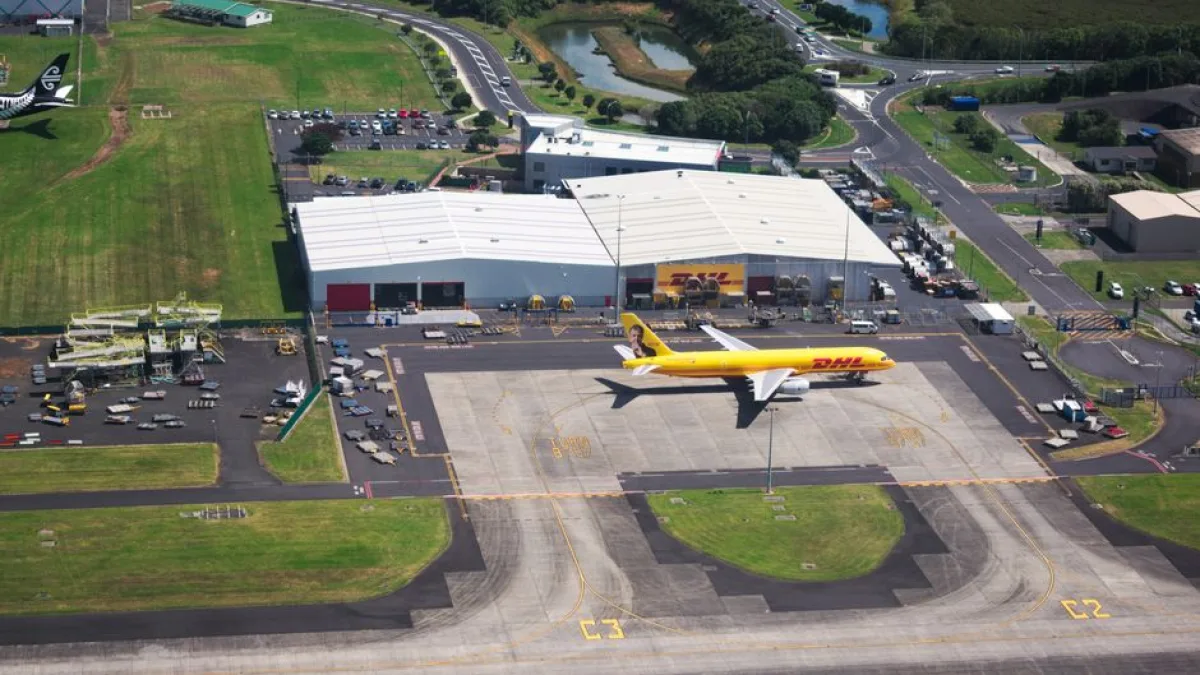
Effective ground handling at the airport is just as crucial as the flight itself. Integrating your freight software with warehouse management functions ensures a seamless transition from road transport to airside operations, optimizing every minute of the busy cargo handling process.
- Loading Slot Management: Coordinate pick-up and drop-off times with ground handlers to avoid costly waiting times at the warehouse dock, ensuring your air shipments maintain strict departure schedules.
- Digital Inventory Control: Track cargo pallets and individual boxes precisely within your facility, reducing the risk of lost items or mislabeling during the high-speed air cargo handling process.
- Workflow Automation Tools: Trigger automated status updates to carriers as soon as physical cargo is scanned into the warehouse, ensuring data synchronization matches the actual physical status immediately.
- Customs Bond Tracking: Monitor bonded cargo movements within the warehouse to ensure strict adherence to local regulations, keeping all inventory transparent for both auditors and your internal team.
Optimizing the warehouse component of your air freight operations is vital for maintaining speed and accuracy. By automating how your team handles cargo on the ground, you create a more responsive environment that can handle higher volumes with fewer errors. These improvements directly correlate with lower operational costs and happier customers who value the consistent and predictable performance of your services.
Conclusion

Leveraging modern software is the ultimate strategy for forwarders to excel in the competitive air freight industry. By digitizing booking, tracking, compliance, and warehouse operations, you create a robust ecosystem that drives efficiency and growth. Start integrating these cloud-based solutions into your daily workflow today to enhance your service delivery and ensure long-term success in the dynamic global air freight market.