Optimizing Air Freight Operations with Advanced Cloud Technology
Friday, August 21 2026

The global air freight landscape is evolving at an unprecedented pace, demanding higher levels of agility and precision from logistics professionals. As supply chain complexities grow, traditional manual processes become significant bottlenecks that hinder growth and profitability. By leveraging cloud-based platforms, forwarders can gain real-time visibility and streamline communication across complex international networks. Modernizing your operations is no longer just an optional upgrade but a strategic necessity for remaining competitive in a high-speed market. This article explores how freight forwarders can effectively harness technology to optimize their air cargo workflows and deliver superior value to their global client base.
Enhancing Shipment Visibility
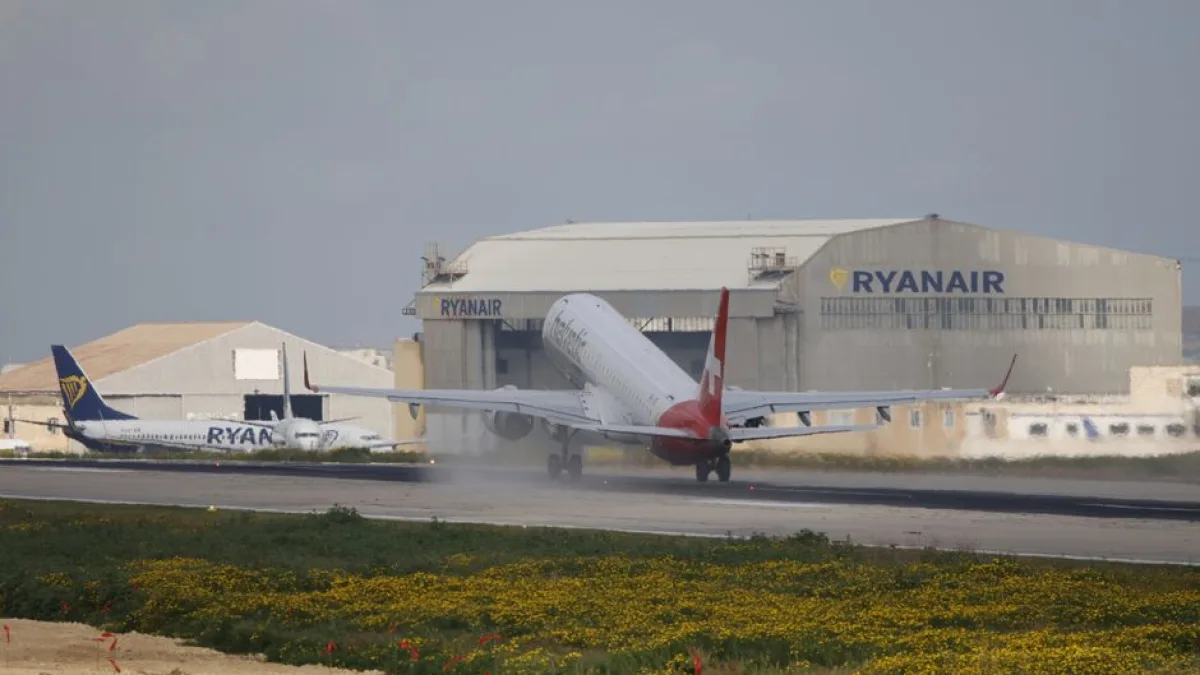
Achieving total transparency across the air freight journey requires sophisticated tracking tools that integrate directly with airline systems. Cloud platforms provide real-time updates that allow logistics coordinators to anticipate delays and proactively communicate accurate status reports to waiting customers.
- Real-time tracking integration: Connect your management system with airline data feeds to receive automated notifications regarding flight status, departures, and arrivals without relying on manual phone calls or emails.
- Proactive status alerts: Configure automated triggers that notify your team and the end client immediately when a shipment reaches a milestone or encounters an unexpected schedule change.
- Centralized data access: Store all tracking documentation in a single cloud location to ensure that every stakeholder accesses the same accurate information during critical transit periods.
- Historical performance metrics: Analyze past shipping data to identify reliable airline partners and build a stronger network based on empirical evidence rather than speculative routing decisions.
By implementing these robust visibility solutions, forwarders transform the way they handle client expectations. Instead of managing constant inquiries, teams gain the ability to offer proactive solutions. This shift in operational focus builds trust, fosters long term partnerships, and allows your staff to dedicate more time to high value logistics tasks that drive business revenue while ensuring overall client satisfaction remains high.
Streamlining Documentation Workflows

Paper-heavy air freight processes are notorious for causing administrative delays and costly errors in international shipping. Digitizing essential customs and commercial documents through cloud-based systems significantly accelerates processing times while reducing the risk of non-compliance during rigorous airport security inspections.
- Automated document generation: Utilize standardized templates to create air waybills and commercial invoices instantly, saving hours of manual data entry while ensuring consistent and professional output.
- Secure cloud storage: Maintain organized digital archives that comply with international air transport regulations, ensuring that every document is easily retrievable during customs audits or inspections.
- Electronic signature integration: Speed up the approval process by utilizing integrated electronic signatures that remove the need for physical printing, scanning, or mailing of essential shipping documents.
- Seamless compliance checks: Implement automated validation steps that flag potential errors or missing information before documents are submitted to airline partners or local customs authorities.
Transitioning to a paperless environment is a pivotal step toward achieving operational excellence. When documentation flows seamlessly between systems, the entire dispatch process gains momentum. Your team will notice fewer administrative roadblocks, leading to faster turnaround times at the terminal. Adopting these digital habits ensures your company maintains a competitive edge while meeting the demanding regulatory standards required for global air transport operations.
Optimizing Air Cargo Capacity

Maximizing load efficiency is vital for controlling air freight costs in an industry where space is sold at a premium. Strategic capacity planning involves precise calculation of volumetric weight and effective management of pallet configurations to ensure that every flight is profitable.
- Precise volumetric calculations: Use smart software tools to automatically calculate dimensional weight, preventing unexpected overcharges from airlines and ensuring accurate customer billing for every single shipment.
- Dynamic route planning: Evaluate multiple carrier options in real-time to select the most cost-effective and efficient flight paths available, balancing budget requirements against urgent customer delivery deadlines.
- Consolidation strategies: Identify opportunities to group smaller shipments from different clients into single air freight containers, drastically reducing overall shipping costs and increasing carrier volume discounts.
- Capacity forecasting tools: Predict future air freight volume trends based on historical data to secure necessary airline space well in advance of peak seasonal demand spikes.
Optimizing your capacity management requires a blend of data analysis and smart decision making. When you leverage cloud-based insights, you stop guessing and start calculating. This systematic approach allows you to secure better rates from airlines while maximizing the usable space on every pallet. Consequently, your company becomes more efficient, profitable, and capable of managing complex logistics requirements with ease and accuracy.
Managing Customs and Security

Navigating the complex maze of international customs and aviation security is a critical responsibility for every freight forwarder. Maintaining compliance with ever-changing global regulations requires access to up-to-date data and automated filing systems to avoid heavy fines or shipment seizures.
- Automated customs filing: Connect your freight software directly to customs portals for seamless electronic filing, reducing the risk of human error and significantly speeding up cargo clearance.
- Compliance tracking systems: Receive constant updates regarding regional import and export restrictions, ensuring that your shipments always adhere to the current legal requirements of transit countries.
- Security audit trails: Keep a detailed, unalterable log of all actions taken on a shipment file, which serves as essential proof for regulatory authorities during security inspections.
- Targeted risk assessment: Deploy software modules that analyze shipment data to identify potential red flags, allowing you to address compliance issues before they result in costly delays.
Prioritizing security and customs accuracy protects your reputation and keeps global trade moving without interruption. By automating the most tedious parts of the compliance process, your team can focus on complex exceptions rather than routine filing. This professional approach ensures that your clients feel secure knowing their cargo is in capable hands, ultimately leading to higher retention rates and sustainable business growth.
Conclusion

Harnessing the power of cloud technology is essential for any forwarder aiming to master the air freight sector. By prioritizing visibility, documentation accuracy, capacity optimization, and compliance, you position your business for long-term success. Evaluate your current systems today to see where MakeCargo can help you bridge the gap between traditional processes and a more efficient, profitable, and digital future for your team.