Optimizing Air Freight Operations for Freight Forwarders
Thursday, September 3 2026

Modern air freight management requires a delicate balance of speed, precision, and regulatory compliance to ensure global supply chains remain resilient. As freight forwarders face increasing pressure to deliver high-value goods rapidly, the reliance on manual processes often becomes a significant bottleneck. Leveraging cloud-based technology empowers logistics professionals to gain real-time visibility into every shipment, reducing costly delays and human error. By embracing digital transformation and automated documentation, forwarders can enhance their operational efficiency, improve customer transparency, and remain competitive in an evolving marketplace that demands seamless coordination and sophisticated tracking capabilities across complex international air transport networks.
Digital Documentation Efficiency

Transitioning from paper-heavy workflows to digital platforms significantly accelerates the processing of airway bills and customs declarations. Automated systems minimize redundant data entry tasks, allowing your operations team to focus on high-value logistical strategy and customer relationship management tasks.
- Automated Airway Bills: Streamlining the generation of air waybills through cloud software eliminates manual entry errors and ensures that all documentation is standardized for international customs authorities and airline partners.
- Customs Compliance Automation: Integrated platforms automatically update regulatory requirements, ensuring that your shipments adhere to changing international laws while preventing costly delays during the export or import clearance process.
- Data Accuracy Improvement: Centralized digital databases maintain clean information across your entire network, which reduces the risk of miscommunication between warehouses, ground handlers, and your internal sales department team.
- Seamless Integration Capabilities: Connecting your freight management platform with carrier APIs allows for instant data synchronization, enabling faster booking confirmations and real-time updates regarding flight scheduling or gate changes.
Adopting digital documentation is no longer an optional upgrade but a core requirement for forwarders aiming to scale their operations. By removing physical paperwork from the equation, firms can achieve unprecedented levels of productivity. Your staff can easily collaborate on files from any location, ensuring that information flows smoothly between departments. This shift reduces overhead costs while simultaneously improving the accuracy and speed of every shipment.
Real-Time Shipment Visibility

Real-time visibility transforms how forwarders communicate with clients by providing accurate status updates throughout the entire air transport cycle. Accessing live data allows teams to proactively address potential disruptions before they impact the final delivery schedule for the end customer.
- Instant Status Updates: Customers receive automated notifications regarding their cargo status, which builds trust and reduces the volume of repetitive inquiry calls reaching your customer service department daily.
- Proactive Issue Resolution: Monitoring flight paths and cargo status enables your team to identify delays early, allowing for quick rerouting or communication adjustments before problems escalate further downstream.
- Transparency for Clients: Granting your clients access to a dedicated tracking portal provides them with the peace of mind that their high-value goods are moving efficiently.
- Operational Insight Analytics: Collecting historical tracking data helps your management team identify trends in carrier performance, allowing for smarter future decisions regarding which airlines to utilize regularly.
Visibility serves as the backbone of high-quality service in the air freight industry today. When clients have the power to see exactly where their cargo is located, their confidence in your services grows exponentially. Providing this level of granular transparency distinguishes your business from competitors who still rely on legacy tracking methods, positioning your company as a reliable leader in modern logistics management.
Strategic Carrier Management

Building strong partnerships with airlines is essential for securing capacity during peak seasons and managing volatile freight rates. By utilizing platform analytics, forwarders can optimize their carrier selection based on reliable performance data rather than relying solely on guesswork or instinct.
- Performance Benchmarking Tools: Software tools track airline reliability and transit times, helping you select carriers that consistently meet your specific delivery requirements and service-level agreement commitments consistently.
- Capacity Allocation Planning: Analyzing historical freight volumes enables you to negotiate better rates and secure dedicated space on key routes long before the busiest peak seasons arrive.
- Rate Optimization Strategies: Digital procurement modules allow for rapid comparison of multiple carrier quotes, ensuring you always secure the most cost-effective shipping solutions without sacrificing delivery speed.
- Partner Collaboration Portals: Shared digital portals facilitate better communication with airline representatives, streamlining the booking process and resolving scheduling conflicts through efficient, real-time messaging and documentation exchange.
Effective carrier management hinges on the ability to interpret data accurately and make informed decisions quickly. By using software to track performance metrics, you remove subjectivity from your partnerships. This data-driven approach ensures that your freight spend is optimized while maintaining high service levels. Building a robust carrier network helps you manage risks more effectively, providing consistent results even during complex global supply chain shifts.
Scalable Freight Operations
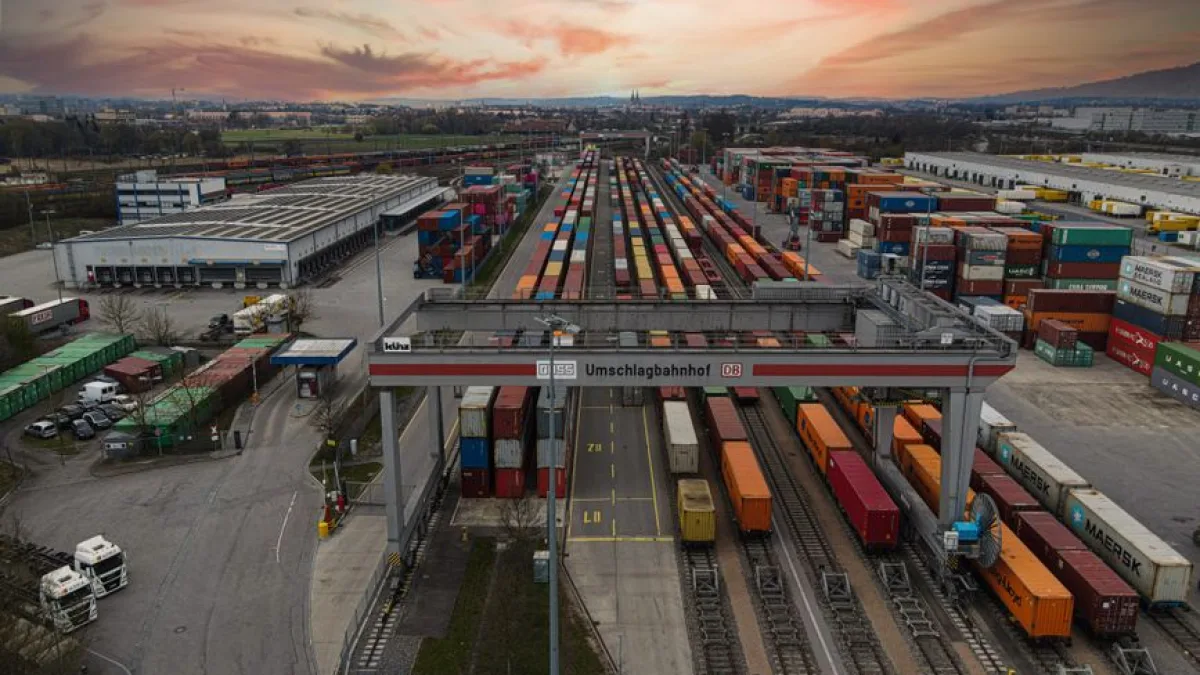
Scalability requires a robust technological framework that supports increasing shipment volumes without requiring a proportional increase in administrative staff headcount. A cloud-based platform allows your business to grow by providing the necessary tools to handle complex logistics operations seamlessly.
- Cloud Infrastructure Flexibility: A cloud-based system allows your team to handle larger volumes of data and more complex routing requirements as your company expands its global reach.
- Streamlined Workflow Design: Automated task management features assign jobs to the right employees automatically, ensuring that nothing is overlooked even as your daily shipment numbers increase significantly.
- Multi-Office Synchronization: Managing operations across multiple geographic locations becomes easier with a unified platform that keeps all team members aligned on global shipment statuses and goals.
- Financial Reporting Integration: Linking your operational data with accounting software ensures that invoicing is automated and accurate, which improves cash flow as your business scales its operations.
Scaling your air freight business effectively requires a platform that evolves alongside your company. By centralizing management and automating repetitive tasks, you empower your employees to handle growth without becoming overwhelmed. This operational efficiency is the key to maintaining profitability while expanding. Investing in the right software foundation today prepares your firm for the future demands of the global air cargo market.
Conclusion
Mastering air freight operations requires a commitment to digital tools that enhance speed, visibility, and scalability. By moving away from legacy systems and embracing modern, cloud-based logistics platforms, freight forwarders can optimize their workflows and provide superior service to their clients. Evaluate your current software capabilities today and take the necessary steps to refine your operations, ensuring long-term success in the competitive global air logistics industry.