Optimizing Air Freight Operations for Modern Freight Forwarders
Saturday, September 5 2026
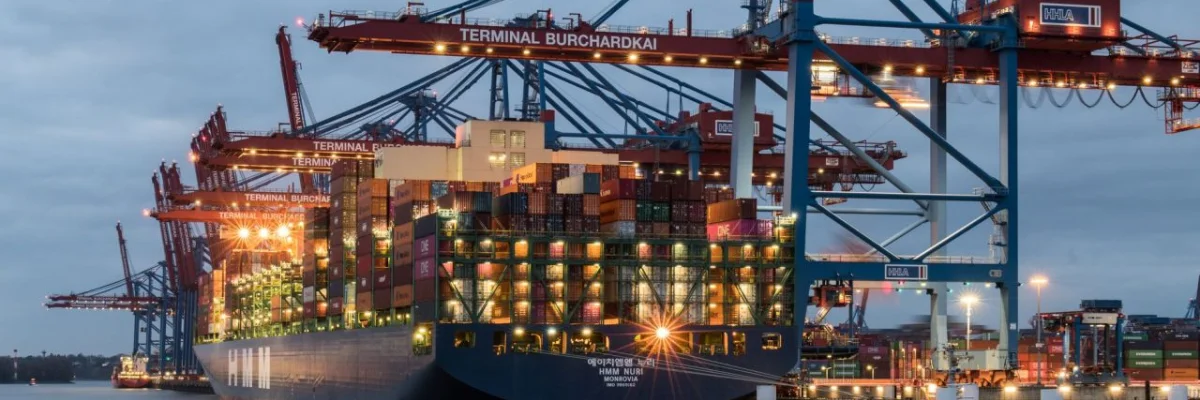
The global air freight landscape is evolving rapidly as shippers demand greater transparency, speed, and real-time visibility into their supply chains. Freight forwarders are increasingly tasked with managing complex routing, stringent security requirements, and volatile market pricing while maintaining profitability. Adopting advanced cloud technology allows logistics providers to automate manual tasks and reduce operational friction. By focusing on data-driven decision-making and seamless communication, forwarders can elevate their service standards to meet the expectations of modern global trade. This transformation is essential for those looking to stay competitive in an industry where precision and reliability define long-term success.
Leveraging Advanced Capacity Management

Effective capacity management is the backbone of successful air freight operations, requiring careful coordination between airline space allotments and shifting demand patterns. Forwarders must balance load factors and scheduling to maximize space utilization while minimizing costs during peak periods.
- Automated space booking: Integrate your software directly with airline systems to secure block space agreements instantly, ensuring your team captures the best market rates without manual data entry delays.
- Predictive demand modeling: Utilize historical freight patterns and seasonal data to anticipate volume spikes, allowing your team to pre-allocate capacity before global market prices surge unexpectedly.
- Real-time visibility tools: Monitor active shipments through live dashboards that provide updates on flight status, enabling proactive responses to potential delays before they impact your clients supply chain.
- Dynamic cost analysis: Evaluate the profitability of specific trade lanes by analyzing real-time fluctuations in fuel surcharges and carrier rates, ensuring your pricing remains competitive yet profitable.
Optimizing your capacity management processes directly influences your bottom line and improves customer satisfaction. When forwarders leverage technology to secure space efficiently, they reduce the risk of rolling cargo and build stronger relationships with airline partners. Maintaining a proactive approach to space allocation ensures that every flight is utilized correctly, helping your team provide consistent and reliable results for high-priority shipments.
Digital Documentation and Compliance

Digital transformation significantly reduces the administrative burden associated with air waybills and customs compliance. Moving away from manual paperwork minimizes human error and speeds up the entire transit process, allowing cargo to clear customs faster than traditional methods.
- Electronic airway bills: Implement standardized e-AWB protocols to digitize documentation, which drastically lowers processing costs while ensuring that all information is instantly accessible to airline ground handling teams.
- Customs automation software: Utilize integrated modules to streamline the submission of critical export and import documents, reducing the likelihood of manual entry errors that trigger regulatory penalties.
- Security screening protocols: Manage complex air cargo security documentation within a centralized system to ensure compliance with global safety standards and prevent avoidable hold-ups during transit.
- Automated trade alerts: Receive immediate notifications regarding changes in international trade regulations or sudden airport closures, keeping your documentation processes compliant with the latest global requirements.
Transitioning to digital documentation is no longer optional for forwarders operating in the fast-paced air freight sector. By eliminating paper-heavy workflows, your staff can focus on high-value tasks such as customer support and strategic account planning. This shift towards a paperless environment not only enhances your operational efficiency but also demonstrates a commitment to innovation that your clients will surely value.
Optimizing Warehouse and Ground Handling
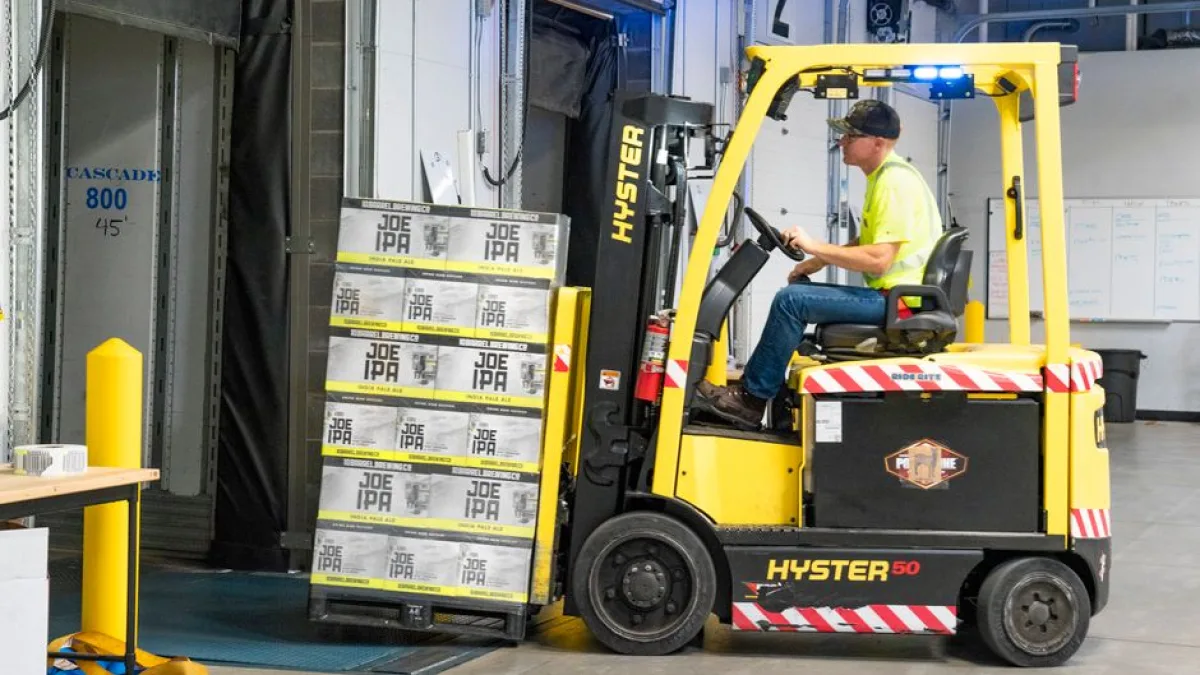
Efficient warehouse management is critical for air freight, where timing is everything and every minute counts before cargo reaches the tarmac. Coordinating ground handling operations requires tight integration between your software platform and physical warehouse floor activities.
- Barcode scanning integration: Implement robust scanning systems to track cargo from the moment it enters your facility until the final delivery, ensuring total inventory accuracy across all shipments.
- Optimized pallet build: Use weight and volume calculation tools to design the most efficient cargo configurations, saving valuable space and reducing overall shipping costs for your customers.
- Real-time inventory tracking: Maintain a centralized digital view of stock levels and shipment status, which prevents inventory discrepancies and improves communication with ground handling teams at airports.
- Streamlined terminal handover: Automate the generation of delivery orders and pickup instructions to facilitate smooth transitions between your warehouse staff and the contracted trucking companies on site.
Mastering the physical aspects of air freight logistics is essential for maintaining the high speed that your clients expect from air transport. When your warehouse processes are fully integrated with your management software, you minimize bottlenecks and ensure that deadlines are consistently met. This level of operational harmony allows your team to handle complex, time-sensitive cargo with confidence and precision every time.
Client Communication and Visibility

Proactive client communication is the ultimate differentiator in the air freight industry, where customers demand constant access to the status of their high-value goods. Providing a transparent digital portal allows your clients to self-serve information and reduces the burden on staff.
- Customized client portals: Provide a branded interface where customers can track shipments, download documents, and access invoices in real-time, significantly improving their overall experience and transparency levels.
- Automated status updates: Configure your system to send triggered email or SMS alerts to your clients at key milestones, ensuring they are always informed without calling support.
- Exception management alerts: Notify your clients immediately when shipment delays or security issues arise, allowing for transparent dialogue that builds trust even when unexpected challenges occur during transit.
- Direct messaging tools: Use an integrated communication platform to centralize all correspondence related to a specific booking, ensuring that no critical instructions are lost across email threads.
Empowering your clients with self-service tools transforms the way you manage relationships and reduces unnecessary manual outreach. By giving your customers the visibility they crave, you demonstrate professional reliability that leads to increased retention and long-term partnerships. A focus on superior communication ensures that your freight forwarding business remains the first choice for clients navigating the complexities of international air logistics.
Conclusion

Enhancing air freight operations requires a deliberate shift toward digital integration and strategic process management. By focusing on capacity optimization, document automation, and transparent client communication, freight forwarders can overcome industry volatility and achieve sustainable growth. Start leveraging cloud-based platforms today to streamline your workflows, reduce costly errors, and provide the exceptional, high-speed service that modern shippers and global partners demand from you.