Optimizing Air Freight Operations with Modern Digital Tools
Saturday, September 12 2026

The global air freight industry demands unparalleled precision and speed, making efficiency the ultimate currency for logistics providers. As market volatility and capacity constraints become the new normal, forwarders must move beyond manual workflows to maintain a competitive advantage. Integrating advanced cloud platforms allows companies to streamline booking processes, ensure real time visibility, and mitigate potential disruptions before they impact the bottom line. By leveraging data driven insights, freight professionals can transform their operational capacity, elevate service standards, and successfully navigate the complexities of international trade while fostering stronger client relationships through reliable, transparent, and high performing logistics solutions.
Automating Digital Bookings
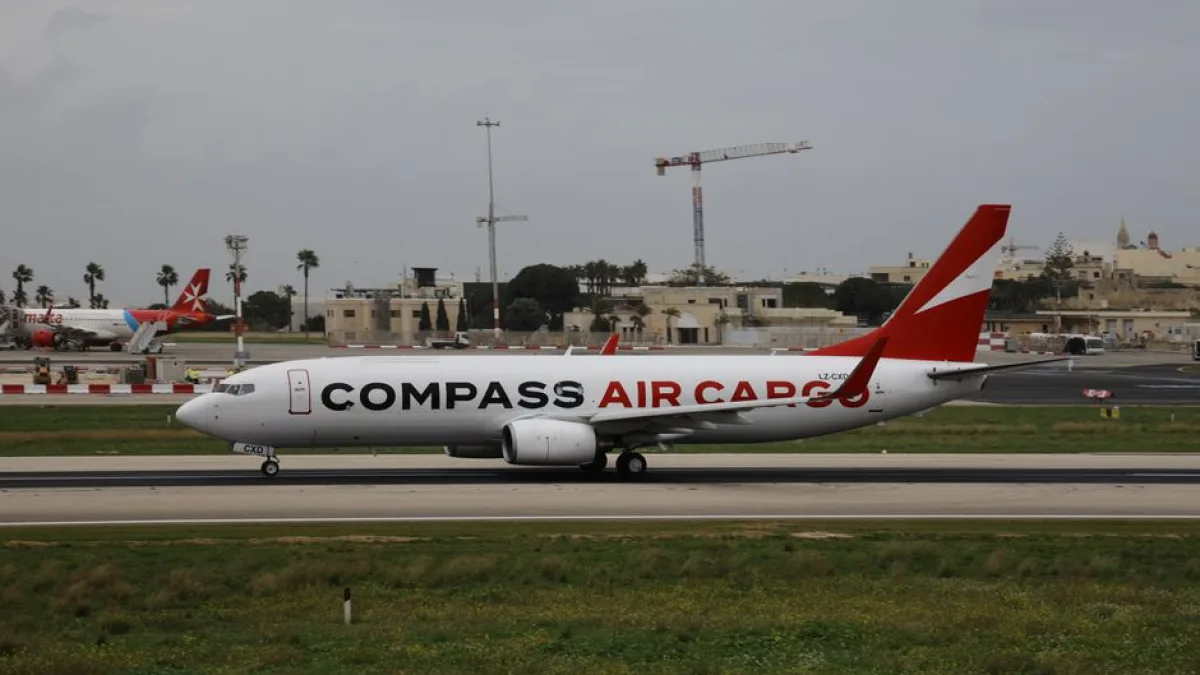
Digital transformation starts with replacing manual booking requests with automated systems. By utilizing cloud based platforms, forwarders can connect directly with airlines, eliminating repetitive data entry and reducing the likelihood of human error during the critical initial stages of shipment processing.
- Real time scheduling: Access live airline capacity data instantly to provide accurate quotes, enabling faster decision making and ensuring that your team secures the best possible rates for clients.
- Instant confirmation loops: Eliminate the back and forth email cycles by utilizing automated booking confirmations that update your internal system immediately, keeping all parties aligned on shipment status.
- Standardized data flow: Ensure that all essential shipping information is uniform across every transaction, which reduces delays at customs and improves compliance with international aviation security regulations and requirements.
- Scalable operational capacity: Handle increased shipment volumes without expanding headcount, as automated tools manage routine tasks while your team focuses on high value customer service and business growth strategies.
Adopting digital booking protocols shifts the focus from administrative maintenance to strategic excellence. When systems talk to each other seamlessly, the entire workflow becomes more resilient to sudden market shifts. Freight forwarders who prioritize these technological investments position themselves as leaders who can manage high volumes with ease. This transition not only reduces operational costs but also provides the reliability that your clients demand daily.
Enhancing Shipment Visibility

Transparency remains the top priority for modern shippers who require granular updates on their high value cargo. Implementing comprehensive tracking solutions ensures that every milestone, from warehouse arrival to final delivery, is clearly visible to all stakeholders within the supply chain.
- Live tracking updates: Provide clients with continuous status notifications that include precise location data and estimated arrival times, significantly improving customer trust and overall satisfaction throughout the journey.
- Automated status alerts: Configure proactive notification triggers for specific events, such as customs clearance or flight departures, which helps keep stakeholders informed without needing manual check in processes.
- Exception management tools: Identify potential bottlenecks or delays early through dashboard monitoring, allowing your operations team to implement contingency plans before the cargo is critically impacted by disruptions.
- Centralized data access: Consolidate tracking information into one accessible platform where every team member can retrieve shipment history, reducing silos and facilitating better internal collaboration on logistics projects.
Visibility serves as a powerful tool for differentiation in a crowded freight market. By giving clients the ability to monitor their goods in real time, you build lasting partnerships based on transparency. Cloud platforms enable this connectivity, turning complex logistics data into actionable intelligence. When you control the narrative of the shipment path, you deliver peace of mind that secures long term loyalty and retention.
Optimizing Cargo Capacity

Maximizing the load efficiency of each flight is essential for maintaining profitability in air freight. Sophisticated software helps forwarders optimize space utilization by analyzing volume and weight ratios, ensuring that every pallet contributes positively to the bottom line while minimizing overhead.
- Weight volume analysis: Utilize intelligent calculation engines that automatically determine the most cost effective way to package goods, preventing wasted space and reducing unnecessary shipping expenditures for clients.
- Load planning software: Apply advanced algorithms to visualize cargo arrangement within an aircraft hold, which ensures that weight distribution is balanced correctly while maximizing total available payload capacity.
- Consolidation strategy support: Group smaller shipments together efficiently to optimize transit lanes, which allows forwarders to negotiate better rates with airlines and pass these savings to the end customer.
- Predictive capacity modeling: Forecast future space requirements based on historical data patterns, enabling your team to book block space agreements in advance and avoid last minute peak surcharges.
Precise cargo management is the key to maintaining healthy margins. By utilizing software that simplifies the complex math of volume versus weight, forwarders can confidently handle diverse shipments. This technical approach removes the guesswork from load planning, ensuring that every flight operates at peak efficiency. Such operational discipline attracts more volume, creating a virtuous cycle of growth and improved financial results for your business.
Managing Customs Compliance

Navigating the web of global customs regulations requires rigorous attention to detail and secure digital record keeping. Automated compliance modules assist forwarders in preparing accurate documentation, ensuring that shipments clear international borders without incurring unexpected penalties or suffering from lengthy storage delays.
- Automated document generation: Produce essential shipping documents like air waybills and invoices using pre populated templates, which ensures total accuracy and consistency across all international regulatory filings and declarations.
- Digital archive storage: Maintain a secure cloud repository for every customs entry, providing an audit ready trail that simplifies internal compliance reviews and potential requests from government authorities.
- Compliance validation checks: Run automatic screening against current trade regulations and restricted party lists to prevent shipments from being flagged, which saves valuable time and avoids costly administrative fines.
- Global tax management: Calculate applicable duties and local taxes automatically based on destination country rules, allowing for clear communication of total landed costs to your international shipping clients.
Effective compliance management protects your reputation and prevents major disruptions. When document preparation is integrated into your digital workflow, you eliminate the risks associated with manual errors and missing paperwork. By staying updated with international trade laws through software updates, you keep your operations moving smoothly across borders. This proactive approach to regulation builds confidence with customs authorities and increases overall supply chain reliability.
Conclusion
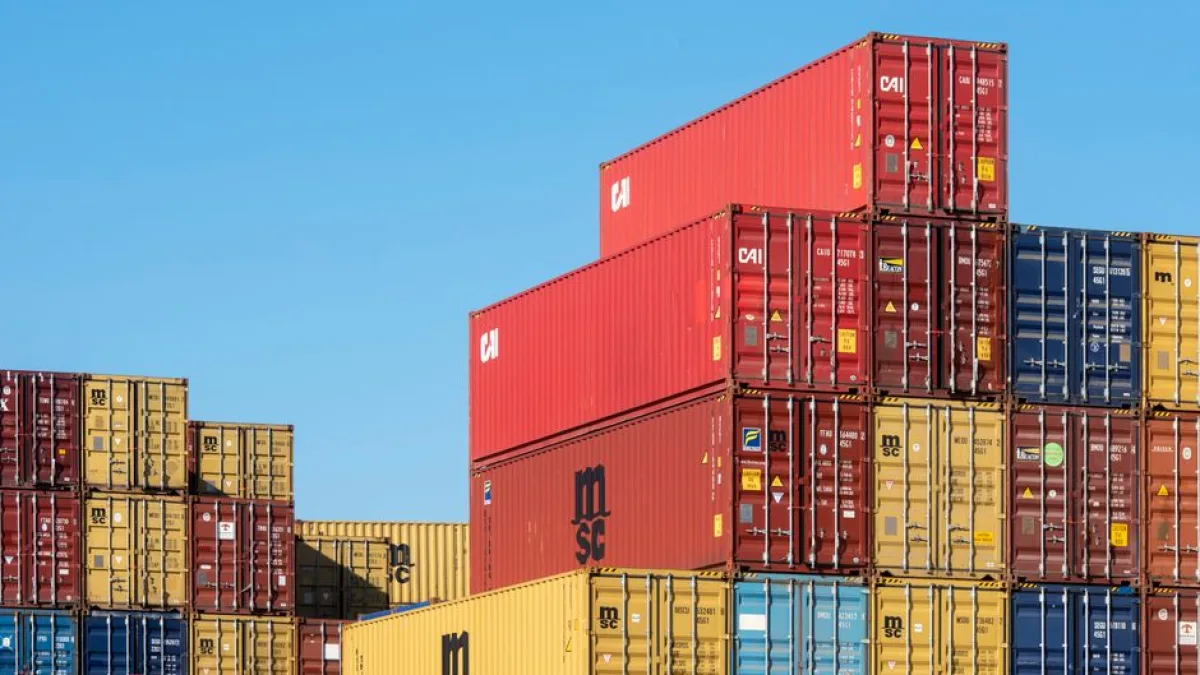
Modernizing your air freight business is no longer optional in an industry defined by rapid change and high performance requirements. By embracing digital integration, enhancing shipment visibility, and focusing on data driven operational efficiencies, you secure a sustainable future for your logistics firm. Start your path toward improved performance today by leveraging cloud based solutions designed to simplify the complex challenges of global air cargo logistics.