Optimizing Air Freight Operations with Modern Digital Tools
Wednesday, September 16 2026

The global air freight industry remains a critical lifeline for time sensitive shipments that require speed and absolute reliability. As supply chains grow increasingly complex, freight forwarders must transition away from fragmented manual processes toward integrated digital ecosystems. By leveraging cloud based platforms, companies can achieve real time visibility and streamline communication between airlines, ground handlers, and final consignees. Adopting these advanced technological solutions is no longer a luxury but a fundamental requirement for staying competitive in a fast paced market where efficiency, accuracy, and agility define the difference between success and lost business opportunities.
Digitizing Booking Processes

Digital booking platforms have revolutionized the way forwarders interface with airlines by removing the need for legacy manual entries. These systems allow for instant rate comparisons and capacity checks that significantly reduce the administrative burden on your logistics operations team.
- Automated rate management: Centralizing your carrier pricing ensures that staff always access the most current market data, preventing expensive quoting errors and helping your team secure the best margins.
- Instant capacity confirmation: Cloud systems provide immediate updates on aircraft space availability, allowing you to bypass lengthy email threads and phone calls to confirm critical shipment bookings quickly.
- Digital airway bills: Generating standardized electronic documents minimizes clerical mistakes and speeds up the customs clearance process by ensuring that information flows seamlessly across all international border authorities.
- Real time scheduling: Integrated dashboards display live flight status updates, enabling you to proactively manage client expectations even when unexpected weather or airport delays impact your cargo schedules.
Transitioning your workflow to a digitized booking model provides a substantial boost to operational output while reducing human error. When your team spends less time on repetitive manual data entry, they can focus on high value tasks such as customer relationship management and strategic route planning. Modernizing these foundational processes ensures your firm maintains a scalable structure ready to handle increased shipment volumes efficiently.
Optimizing Warehouse Efficiency

Warehouse operations serve as the physical heart of air freight logistics, demanding high precision and fast turnaround times. Implementing smart inventory tracking tools ensures that every pallet is accounted for and processed through the terminal with minimal risk of delay.
- Barcode scanning integration: Implementing universal scanning solutions allows staff to update inventory status instantly, ensuring that warehouse data remains accurate and accessible to your logistics management platform.
- Automated stock alerts: Configurable notifications notify your operations team when shipments arrive or are ready for transit, effectively eliminating gaps in communication between warehouse staff and drivers.
- Optimized pallet loading: Intelligent software suggests the best configuration for air cargo builds, maximizing space utilization and reducing the overall weight profile of your freight unitized shipments.
- Streamlined terminal checks: Digital checklists enable warehouse personnel to perform faster quality assurance inspections, ensuring compliance with strict air safety standards before shipments leave your facility floor.
Effective warehouse management requires a synthesis of physical labor and digital oversight to maintain maximum throughput. By utilizing cloud connected devices, your staff can bridge the gap between terminal operations and customer service teams. This cohesion reduces dwell times and improves the overall accuracy of your shipment data, ultimately leading to faster transit times for your clients and lower storage costs.
Enhancing Shipment Visibility

Transparency has become the primary demand for modern shippers who require granular updates on their high value cargo. Providing clients with live tracking capability transforms your service from a basic commodity into a premium and highly reliable logistics partnership.
- Live tracking portals: Give your customers secure access to a branded portal where they can monitor the movement of their air freight in real time without calling.
- Automated milestone updates: Configurable email and text notifications keep stakeholders informed whenever a shipment moves between stages, significantly reducing the volume of inbound status request inquiries daily.
- Exception management alerts: Proactive monitoring tools automatically trigger warnings if a flight is diverted or a shipment is delayed, allowing your team to resolve issues before clients notice.
- Comprehensive audit trails: Maintain a complete history of every interaction and status change, which provides valuable insights for performance reviews and helps refine future logistics strategy.
Elevating visibility standards is the most effective way to improve client retention and trust in your brand. When customers feel empowered by data, they are more likely to commit to long term service agreements. Integrating these visibility tools into your daily workflow ensures that you can handle complex supply chains while maintaining a reputation for total operational transparency and high service quality.
Leveraging Data Analytics
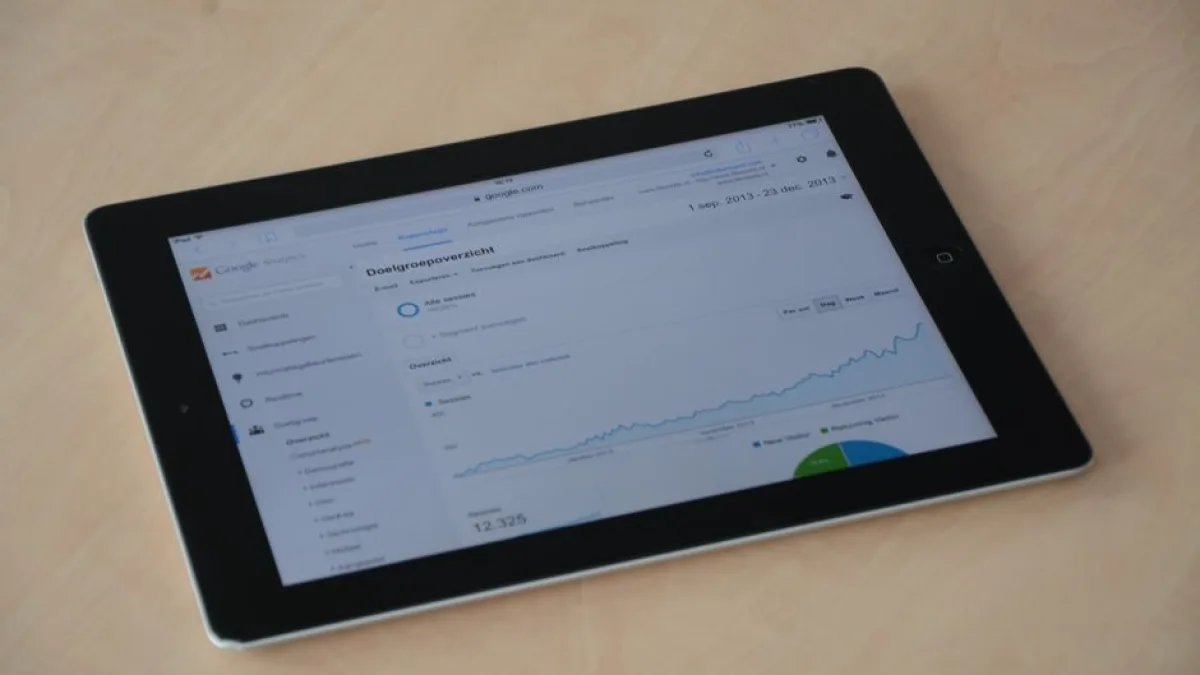
The wealth of data generated by air freight shipments provides a roadmap for future profitability and operational growth. By analyzing historical trends, forwarders can identify inefficient lanes and optimize their carrier choices to maximize profit margins while maintaining service speeds.
- Carrier performance metrics: Detailed reporting tools help your management identify which airlines provide the most reliable service, enabling you to allocate future volume to the best partners.
- Revenue analysis reports: Gain deep insight into your profit margins per shipment or customer, allowing you to adjust pricing strategies based on actual costs and demand.
- Lane optimization modeling: Identify common bottlenecks in your supply chain through historical analysis, giving you the information needed to suggest faster or more cost effective routing alternatives.
- Financial health monitoring: Centralized financial reporting links your operational activity directly to your bottom line, ensuring that your business decisions are always backed by accurate numerical evidence.
Data driven decision making turns raw operational information into a competitive weapon for your freight forwarding business. By continuously refining your strategies based on historical performance, you move away from reactive troubleshooting and toward a proactive growth model. This analytical approach not only improves your current bottom line but also positions your company to navigate the complexities of international trade with confidence.
Conclusion
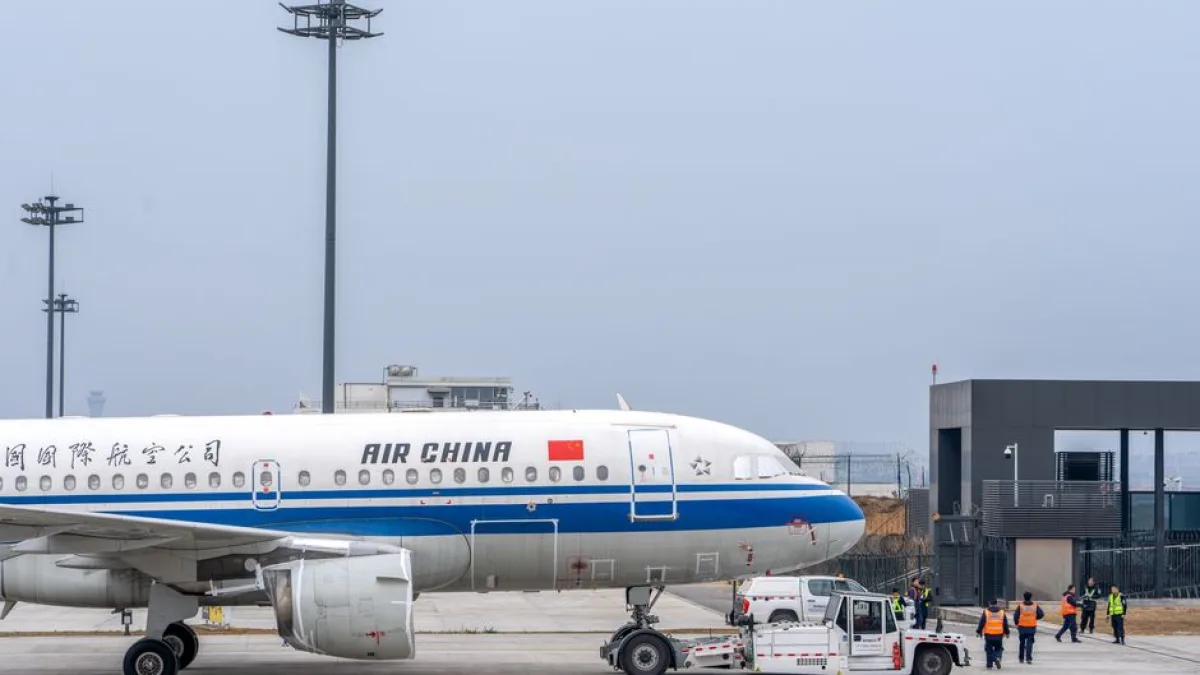
Mastering modern air freight operations requires a balance of speed, accuracy, and constant technological innovation. By adopting cloud based software, your team can automate routine tasks, provide exceptional visibility, and use data to drive profitability. Implement these strategies today to streamline your logistics workflow and deliver superior results for your clients. Contact our support team to learn how MakeCargo can accelerate your operations.