Optimizing Air Freight Operations with Modern Digital Tools
Friday, September 18 2026

The global air freight industry operates at an incredible speed, demanding precision and constant communication to ensure timely delivery of high-value goods. For modern freight forwarders, the complexity of managing capacity, navigating customs regulations, and coordinating with multiple ground agents can quickly become overwhelming without robust digital infrastructure. By leveraging cloud-based platforms, logistics providers can gain real-time visibility into their shipments while automating tedious manual tasks that often lead to costly delays. This guide explores how technological integration transforms operational efficiency and enhances client satisfaction in a competitive international market where every minute of transit time significantly impacts bottom-line success.
Streamlining Capacity Management

Managing space on aircraft requires a delicate balance of timing and volume forecasting to avoid profit loss. Forwarders must actively monitor flight availability to secure space during peak seasons, ensuring that high-priority cargo is moved without facing last-minute booking rejections.
- Automated Booking Systems: Digital tools allow forwarders to instantly compare available flight schedules across multiple carriers, significantly reducing the time spent on manual phone calls and endless email chains.
- Capacity Forecasting Tools: Predictive analytics help logistics teams anticipate seasonal demand spikes, allowing them to secure necessary space well in advance of actual market pressure or capacity shortages.
- Real-time Slot Allocation: Integrated systems provide immediate confirmation of booking slots, which minimizes the risk of human error during the high-speed scheduling process for sensitive or urgent goods.
- Consolidation Strategy Planning: Smart software identifies opportunities to bundle smaller shipments together, maximizing total aircraft weight utilization and driving down per-unit costs for both the forwarder and customer.
By digitizing capacity management, freight forwarders eliminate the guesswork that often plagues traditional logistics operations. Cloud-based platforms provide the granular control needed to navigate volatile market conditions with confidence and agility. This proactive approach not only lowers operational overhead but also positions companies as reliable partners capable of handling complex shipping requirements in an increasingly fast-paced global landscape where precision remains the ultimate competitive advantage.
Enhancing Shipment Visibility
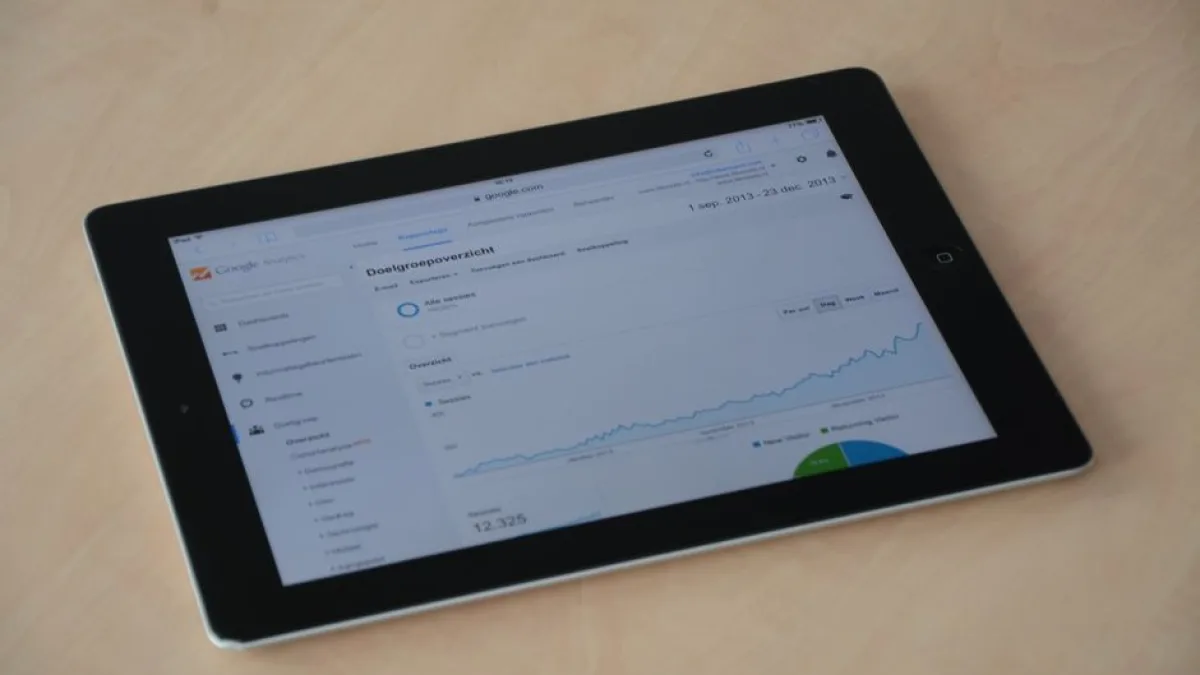
Providing clients with accurate tracking information is now a baseline expectation rather than a premium service feature. Modern tracking solutions bridge the communication gap between airport ground handlers, airline operators, and the final consignee to ensure absolute transparency for every journey.
- Live Tracking Updates: Automated notification systems send instant alerts to stakeholders regarding departure, arrival, or potential status changes, keeping all parties informed without manual intervention by your staff.
- Digital Documentation Access: Centralized document portals allow clients to retrieve airway bills and customs forms securely, reducing the administrative burden on your support team throughout the shipping process.
- Geofencing Technology Tools: Advanced tracking solutions utilize geofencing to monitor cargo movement within transit hubs, providing clear timestamps that confirm when shipments are safely loaded or transferred between planes.
- Predictive Delay Alerts: Smart algorithms analyze weather patterns and local airport activity to forecast potential delays, allowing forwarders to communicate transparently with clients before critical issues escalate further.
Visibility serves as the cornerstone of building long-term trust with your shipping partners. By granting your clients direct access to their freight status through intuitive dashboards, you drastically reduce the frequency of manual inquiries. This transparency empowers customers to manage their own supply chains more effectively, ultimately fostering deeper loyalty while freeing up your valuable team time for high-value strategic decision making.
Managing Complex Customs Compliance

Air freight is subject to stringent regulatory requirements that vary significantly between different international jurisdictions. Navigating these complexities requires rigorous attention to detail to prevent shipments from being impounded or delayed during crucial transfer points within the global supply network.
- Automated Compliance Checks: Integrated software platforms scan documentation for common errors or missing fields, ensuring that all filings meet specific country requirements before they reach government portals.
- Digital Filing Systems: Streamlined workflows allow for the direct submission of digital manifests to customs authorities, accelerating the clearance process and preventing unnecessary dwell times at airport terminals.
- Regulatory Update Notifications: Automated alerts provide real-time updates regarding changing international trade laws or security protocols, helping your team maintain continuous compliance without manual research or external consultants.
- Standardized Data Entry: Uniform data formats reduce the likelihood of inconsistent information across various shipping documents, which helps prevent bureaucratic friction during inspections or audits by customs agents.
Mastering customs compliance is essential for maintaining a reputation for reliability in the competitive air freight market. When digital tools automate the validation of critical paperwork, your firm reduces the risk of expensive fines and shipment holds. This efficiency enables your team to focus on growing the business, knowing that the regulatory foundation of every single shipment remains secure, accurate, and completely audit-ready.
Building Scalable Operational Workflows

Growth in the freight forwarding sector requires systems that expand seamlessly alongside your increasing volume of cargo. Scalable workflows rely on cloud infrastructure to ensure that data remains accessible and synchronized regardless of the physical location of your global staff members.
- Cloud Infrastructure Benefits: Accessing shipment data from anywhere in the world empowers remote teams to collaborate on complex logistical challenges without the constraints of local hardware limitations.
- System API Integration: Connecting your freight software with accounting and CRM platforms ensures a smooth flow of data across departments, reducing redundancy and minimizing manual data reentry errors.
- Customizable Workflow Rules: Flexibility in your software setup allows you to tailor processes to specific client requirements, ensuring consistent service delivery even as your company manages diverse accounts.
- Data-driven Performance Analytics: Reporting tools provide deeper insights into operational bottlenecks, helping leadership identify areas for improvement to optimize resource allocation and enhance overall business profitability over time.
Establishing scalable workflows is the defining factor that separates market leaders from smaller competitors struggling with manual bottlenecks. By investing in a digital infrastructure that grows with your needs, you prepare your firm for future challenges while maintaining high performance. Embracing these advanced operational tools today ensures that your logistics operations remain efficient, profitable, and ready to meet the evolving demands of tomorrow.
Conclusion

Modernizing your air freight processes is a critical step for forwarders aiming to thrive in a digital-first global economy. By embracing cloud-based automation for booking, tracking, and compliance, your business can significantly improve operational efficiency while delivering superior value to clients. Implement these strategies today to secure a competitive edge and build a resilient logistics operation that stands ready for the future of international trade.