Optimizing Air Freight Operations with Modern Software Solutions
Sunday, September 20 2026

The landscape of global logistics is shifting rapidly as air freight becomes an increasingly vital component of the international supply chain. For modern freight forwarders, the pressure to maintain speed, transparency, and cost efficiency is higher than ever before. Manual processes and fragmented communication channels often lead to costly delays and operational bottlenecks that hinder growth. By leveraging sophisticated, cloud-based software, logistics providers can gain real-time visibility into their shipments and automate complex documentation workflows. This transformation is not just a technological upgrade but a strategic imperative to remain competitive in a fast-paced market where every minute of transit time significantly impacts the bottom line.
Streamlining Booking Processes

Digital platforms have revolutionized how forwarders interact with airlines to secure space and manage bookings. By centralizing these tasks within a single interface, teams can eliminate redundant data entry, reduce the likelihood of human error, and accelerate the entire shipment lifecycle.
- Automated space allocation: Advanced software systems allow forwarders to instantly compare available flight capacities and rates, ensuring the best possible service selection for time-sensitive cargo requirements from various global carriers.
- Instant confirmation loops: Real-time integration with airline systems provides immediate booking confirmations, effectively removing the lengthy waiting periods traditionally associated with manual email exchanges and phone call inquiries between teams.
- Document workflow automation: Smart systems generate necessary shipping documentation automatically by pulling data directly from existing records, significantly reducing the administrative burden on your back-office logistics personnel every day.
- Dynamic rate comparison: Freight professionals can access real-time pricing data across multiple trade lanes, enabling them to offer competitive quotes to customers while maintaining healthy profit margins during negotiations.
Adopting automated booking tools is essential for maintaining agility in today volatile market environment. When teams can manage capacity and documentation from a unified dashboard, they minimize the potential for missed deadlines and costly scheduling errors. This high level of operational precision allows forwarders to focus on long-term client relationships rather than getting bogged down in repetitive manual tasks that consume valuable company resources daily.
Enhancing Shipment Visibility

Providing clients with accurate, real-time tracking is a fundamental requirement for modern logistics excellence. Advanced cloud platforms offer granular visibility that empowers customers to monitor their cargo throughout the entire air transit process with high confidence and minimal anxiety.
- Real-time status updates: Automated tracking notifications provide instant alerts regarding location changes and transit milestones, keeping both the logistics provider and the end customer fully informed at every stage.
- Proactive exception management: Sophisticated monitoring tools highlight potential delays before they escalate, allowing forwarders to communicate transparently with stakeholders and implement contingency plans to mitigate any operational service disruption.
- Digital warehouse oversight: Integrated tracking modules monitor goods as they move through airport warehouses, providing a clear digital trail that simplifies inventory management and improves overall warehouse throughput performance.
- Client portal access: Providing customers with a branded web portal for self-service tracking significantly reduces the volume of status update requests handled by your busy customer support team.
Total transparency is no longer a luxury but a baseline expectation for modern air freight services. When forwarders utilize software to bridge the gap between departure and destination, they foster deeper trust with their customers. This visibility effectively prevents the communication silos that often cause frustration and damage professional reputations, ensuring a smoother journey for high-value goods across the global air logistics network.
Optimizing Documentation Accuracy
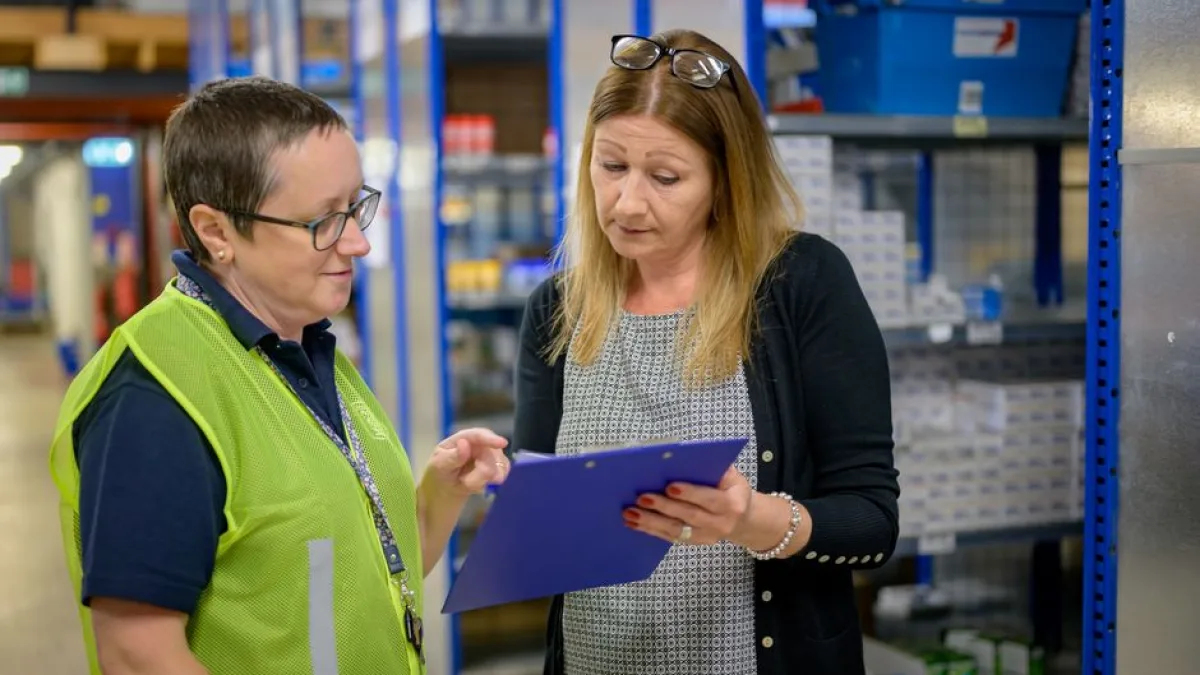
Customs and compliance documentation remains one of the most complex hurdles in air freight. Digital software solutions ensure that every air waybill and security declaration meets strict regulatory standards while eliminating the risks associated with manual data entry and paper-based filing systems.
- Integrated compliance checks: Cloud software performs automated validation against international regulations, ensuring that all documentation is accurate and compliant before the cargo ever reaches the airport terminal security checkpoint.
- Cloud document storage: Secure centralized repositories allow team members to access vital shipping papers from any location, ensuring that customs brokers receive necessary files without any unnecessary delays.
- Standardized data fields: By utilizing mandatory digital fields for all shipping documentation, companies ensure consistency across every file, which drastically reduces the chances of costly rejection by customs authorities.
- E-filing capabilities: Seamless integration with government customs portals allows for the electronic submission of declarations, which accelerates the clearance process and reduces time spent at busy transit hubs.
Precision in documentation is the backbone of efficient air freight operations and regulatory compliance. When your software handles the validation and submission of critical records, you remove the risk of human oversight that often leads to heavy penalties. Embracing these digital standards ensures that your operations remain resilient against changing international trade laws while providing a seamless experience for your clients and partners.
Maximizing Operational Profitability
Strategic profit management relies on accurate data analysis and the ability to track expenses in real time. Modern platforms enable freight forwarders to identify cost-saving opportunities and refine their pricing strategies to maintain strong performance in a competitive global industry.
- Granular cost tracking: Detailed financial reporting tools allow managers to monitor expenses for every shipment, providing deep insights into hidden costs that might be eroding the bottom line profit.
- Performance analytics dashboard: Data-driven insights help leadership teams identify high-performing trade lanes and underperforming carrier relationships, enabling informed decisions that directly improve overall business growth and operational strategy.
- Automated billing cycles: By linking shipment data to accounting software, companies can issue invoices immediately upon delivery, which significantly improves cash flow and reduces the time spent on manual invoicing.
- Optimized carrier selection: Analytical reporting features help identify the most cost-effective carriers based on historical reliability and pricing, ensuring your logistics decisions always align with business objectives.
Profitability thrives when business decisions are guided by accurate and timely information. By moving beyond spreadsheet-based management, forwarders can unlock the full potential of their data to streamline workflows and increase revenue streams. This proactive approach to financial management ensures that your logistics business stays lean, agile, and ready to capitalize on new market opportunities while maintaining high standards for all stakeholders.
Conclusion

Leveraging advanced technology is essential for forwarders who want to dominate the air freight sector in the coming years. By prioritizing digital integration, you create a robust foundation for scalability, accuracy, and increased customer satisfaction across your entire organization. Start by assessing your current workflows and identifying where automation can provide the most immediate relief, ensuring that your team is prepared for future industry challenges.