Optimizing Air Freight Operations with Modern Digital Solutions
Tuesday, September 22 2026

The global air freight industry faces unprecedented pressure as supply chain volatility becomes the new normal for logistics providers worldwide. Forwarders must navigate complex customs regulations, volatile fuel surcharges, and the urgent demand for real-time shipment visibility. Transitioning from legacy manual processes to a cloud-based management platform is no longer a luxury but a strategic necessity for maintaining competitive margins. By integrating automated workflows, freight professionals can effectively reduce operational bottlenecks, minimize human error, and provide customers with the high-speed service levels they require in a fast-moving market. Efficiency starts with the right digital architecture foundation.
Leveraging Real-time Tracking Data
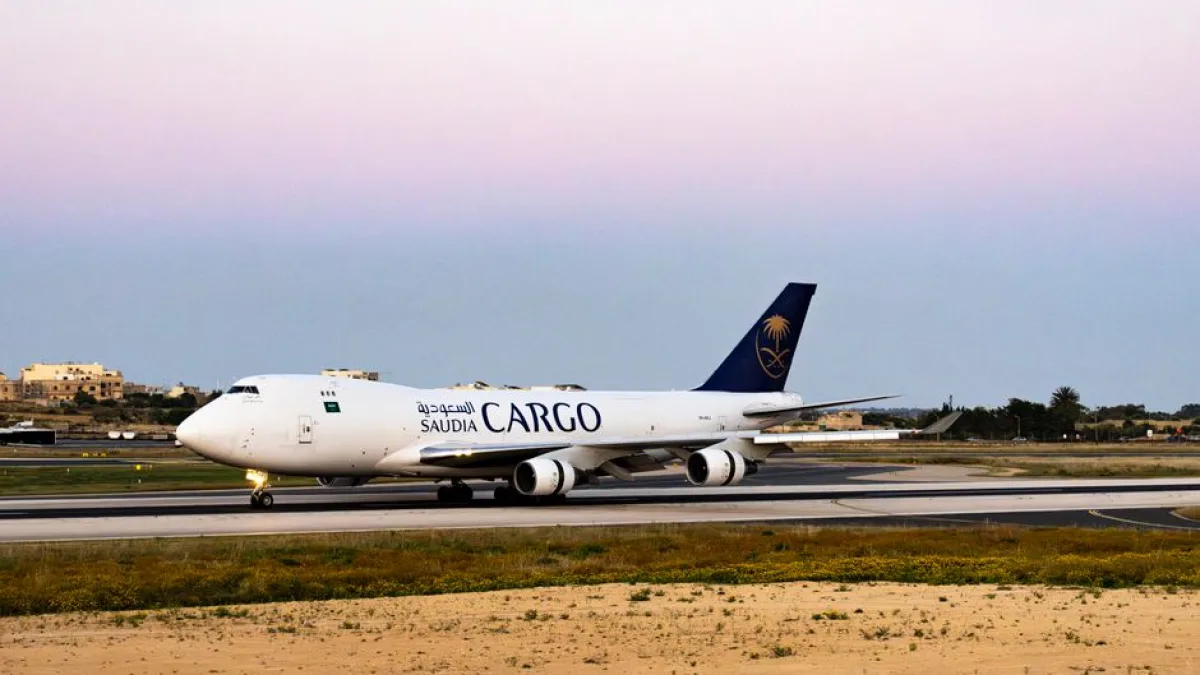
Modern digital platforms offer granular visibility by integrating live tracking data directly from airline systems into your central dashboard. This connectivity empowers your team to identify delays instantly and provide clients with accurate arrival estimations that foster long-term professional trust.
- Automated status updates: Proactively notify your clients about their shipment milestones without manual intervention to ensure transparency throughout the entire journey from airport origin to final destination warehouse.
- Integrated carrier portals: Connect your software directly to global airline networks to pull live schedules and capacity data without navigating between multiple external websites or email threads.
- Exception management tools: Receive instant alerts when a flight is delayed or rerouted so you can offer proactive solutions to your customers before they even notice a problem.
- Client portal access: Enable your customers to log in and monitor their own freight progress independently which significantly reduces the volume of status inquiries hitting your desk.
By centralizing all tracking information, your staff gains valuable time to focus on complex logistics issues rather than routine communication tasks. This shift in operational focus allows your business to handle higher shipment volumes without increasing administrative headcount. Embracing this level of automated visibility differentiates your service in a crowded market while ensuring that every stakeholder remains informed of critical shipment developments at all times.
Streamlining Documentation and Compliance

Air freight involves a mountain of paperwork that often slows down global trade operations. Automating the generation and filing of air waybills and customs declarations minimizes expensive clerical errors and speeds up the clearance process through strict digital validation.
- Automated form generation: Populate essential documents like air waybills and commercial invoices instantly using data already stored within your platform to eliminate repetitive manual data entry tasks.
- Compliance validation checks: Utilize built-in software logic to flag missing information or regulatory inconsistencies before you submit documents to customs authorities for final processing and approval.
- Secure document storage: Maintain a digital archive of all past shipments and related certificates in a centralized cloud vault that is accessible from any location.
- Digital signature integration: Collect necessary authorizations from shippers and consignees electronically to remove the friction associated with physical paperwork and traditional courier mailing processes worldwide today.
Moving toward a paperless environment is a critical step in modernizing your forwarding business for the digital age. By digitizing every step of the documentation process, you reduce the risk of costly administrative delays that often plague traditional air freight operations. When your documentation workflow is fully integrated with your software, compliance becomes a seamless background task rather than a major hurdle.
Optimizing Capacity and Cost Management

Managing space allocation effectively is the key to maintaining profitability when shipping high-value air cargo. Sophisticated software tools allow you to compare carrier rates and capacity availability in real-time to select the best options for your specific budgetary requirements.
- Real-time rate comparison: Quickly evaluate pricing options from multiple airline partners to ensure you are always securing the most cost-effective routing for your current urgent shipments.
- Space booking automation: Secure cargo space directly through your software interface to avoid the delays often caused by manual email correspondence and back-and-forth confirmation phone calls.
- Profitability analytics dashboards: View detailed financial metrics for each route to identify high-margin lanes and adjust your procurement strategy based on actual historical performance data analytics.
- Dynamic fuel adjustments: Automatically apply current fuel surcharge calculations to your quotes to ensure your pricing remains accurate and profitable despite frequent fluctuations in energy markets.
Effective capacity management allows your team to maximize returns on every flight while keeping prices competitive for your clients. By using data-driven insights to guide your booking choices, you avoid overpaying for space and ensure that your operations remain financially lean. Modern software turns your cost management process into a strategic advantage that supports consistent growth across all global air lanes.
Building Stronger Airline Partnerships

Long-term relationships with airline carriers are essential for securing reliable space during peak shipping seasons. Your software platform should help facilitate better communication and performance tracking to nurture these vital connections through data-backed insights and reliable business reporting.
- Carrier performance metrics: Monitor airline reliability and transit times over extended periods to identify top-tier partners that consistently meet your service requirements during busy holiday peaks.
- Shared visibility portals: Grant trusted airline partners controlled access to your logistics data to improve collaboration and reduce misunderstandings during complex transit and handling operations globally.
- Contract management modules: Store and track your existing airline agreements within the platform to ensure that you are fully utilizing your negotiated rates and volume incentives.
- Automated volume reporting: Generate professional reports that demonstrate your shipping volumes to airlines to support future rate negotiations and obtain better space guarantees for your customers.
Deepening your digital ties with carriers creates a more stable supply chain for your clients and enhances your standing as a professional forwarder. When you provide carriers with clear, accurate data and consistent communication, you become a preferred partner that receives priority support when space is limited. This digital collaboration model ensures that your operations remain resilient against industry-wide capacity constraints and fluctuations.
Conclusion
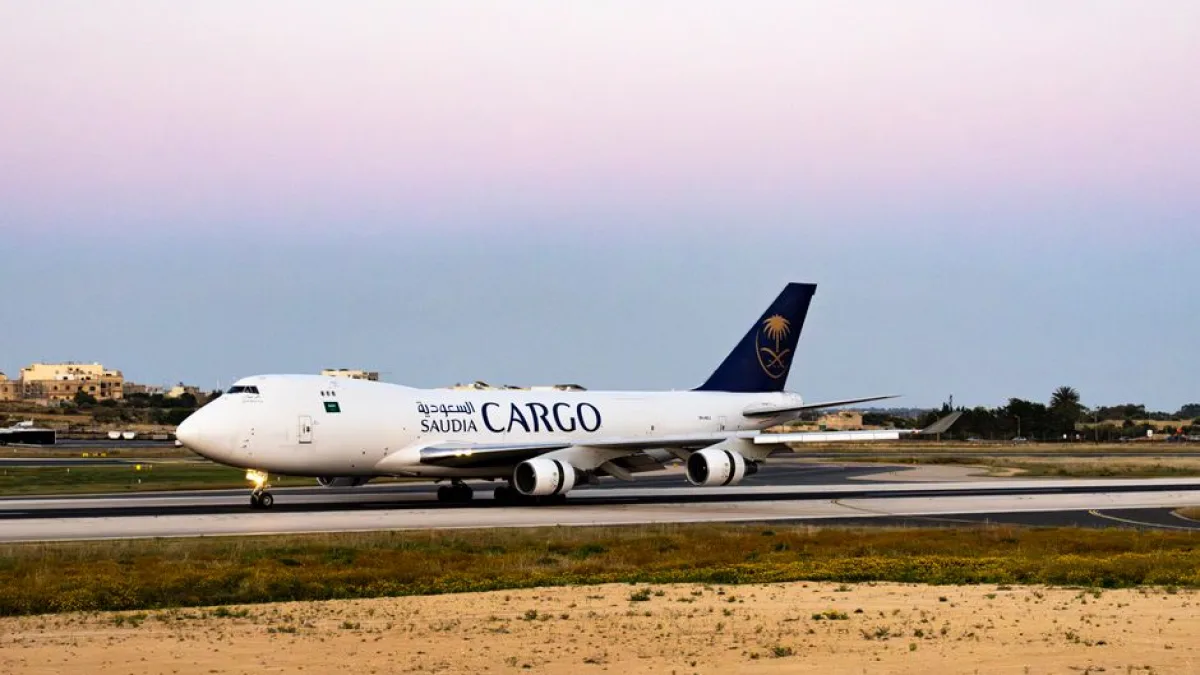
Mastering air freight requires the right blend of expert knowledge and powerful technology to stay ahead. By adopting a cloud-based platform like MakeCargo, you can automate your documentation, enhance tracking, and manage capacity with precision. Start streamlining your operations today to increase efficiency, reduce costs, and deliver superior service to your clients. Transform your digital logistics strategy and watch your business thrive in this industry.