Optimizing Air Freight Operations for Modern Freight Forwarders
Tuesday, September 29 2026

In the fast-paced world of international logistics, air freight remains the ultimate solution for time-sensitive cargo. While ocean transport offers cost efficiency, air transport provides the speed and reliability necessary for high-value goods, perishables, and urgent shipments. As freight forwarders face increasing pressure to deliver faster results with absolute transparency, adopting cloud-based technology is no longer optional. Modern platforms now allow forwarders to manage complex bookings, automate documentation, and track shipments in real-time. By leveraging integrated digital tools, your logistics business can gain a competitive edge while ensuring that every flight operates with maximum precision and minimal manual effort.
Mastering Flight Capacity Management
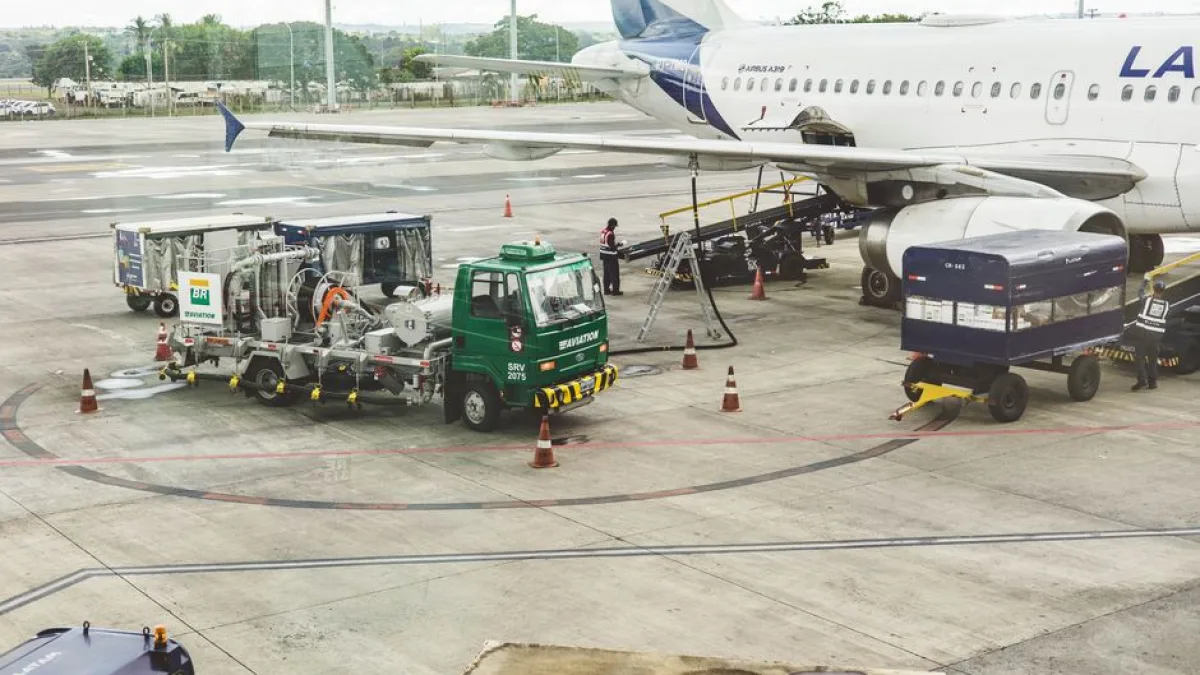
Efficient capacity management is the backbone of successful air freight operations. Forwarders must balance fluctuating airline space with customer demand to ensure profitable margins. Utilizing advanced software allows you to view available slot data and secure inventory instantly to avoid costly shipment delays.
- Real-time inventory access: Gain instant visibility into airline space availability across multiple global carriers to ensure you can book the most cost-effective routes for your clients every single time.
- Automated capacity alerts: Set up smart notifications that alert your logistics team when flight space becomes limited, allowing you to secure space before market prices rise sharply higher.
- Flexible routing options: Easily compare different flight paths and transit times to provide your clients with tailored solutions that meet their specific delivery deadlines and budget requirements.
- Unified carrier communication: Centralize all your interactions with various airline partners inside one digital interface to prevent miscommunication and ensure all booking details remain clear and accurate.
Optimizing how you manage your air freight capacity directly influences your bottom line. When forwarders transition from manual spreadsheets to automated systems, they reduce the time spent on administrative tasks by half. This shift enables your staff to focus on high-value client relationships rather than chasing status updates. By mastering capacity management today, you position your freight forwarding firm for sustainable growth and long-term success.
Digital Documentation and Compliance

Navigating the complex landscape of international air transport documentation requires extreme accuracy to prevent customs holdups. Automated digital workflows simplify the creation of air waybills, commercial invoices, and security declarations, ensuring your shipments comply with strict global aviation and customs regulations.
- Error-free documentation generation: Utilize automated templates that pull data directly from your shipment files, reducing manual data entry risks and ensuring compliance with international trade law requirements.
- Instant customs integration: Seamlessly connect your software with customs authorities to transmit necessary declarations instantly, drastically reducing the chances of shipment holds at departure or arrival.
- Regulatory compliance tracking: Keep up with evolving safety regulations and aviation security mandates by using platforms that automatically update your documentation requirements based on destination country rules.
- Secure document sharing: Enable your team and your clients to access digital copies of vital shipping documents securely from any location without needing physical file storage.
Accuracy in documentation ensures that your air cargo flows through airports without unnecessary stops or inspections. By digitizing the paperwork process, you eliminate the delays typically caused by missing signatures or incorrect information. Your clients appreciate the transparency and speed, which significantly strengthens their trust in your services. Consistent regulatory compliance is the best way to maintain a reputation for excellence in logistics.
Leveraging Real-Time Shipment Tracking

Visibility is the top demand from modern shippers who rely on air freight for their urgent logistics needs. Providing real-time tracking updates across all legs of the air transport journey keeps your clients informed and satisfied throughout the entire shipping process.
- Live location monitoring: Offer your customers precise updates regarding the exact location of their air freight as it travels between hubs and reaches the final airport.
- Proactive status updates: Automatically send email or portal notifications to your clients whenever a shipment status changes, which helps reduce the volume of inbound customer service inquiries.
- Delay management tools: Receive instant alerts about weather impacts or flight cancellations, allowing you to develop contingency plans and communicate changes to your clients before issues escalate.
- Integrated carrier data: Aggregate tracking information from diverse global airlines into a single dashboard so your team has a holistic view of all active air shipments daily.
Transparency creates peace of mind for high-stakes air freight clients who need to know their goods are safe. By providing a self-service tracking portal, you empower your customers to check their shipment status whenever they want. This level of service minimizes manual intervention and establishes your brand as a professional, tech-forward leader in the highly competitive international freight forwarding marketplace today.
Maximizing Profitability Through Automation

Profit margins in air freight can be thin if operational inefficiencies are allowed to persist. Automation of routine tasks like quoting, invoicing, and carrier payment reconciliations frees up significant resources, enabling your company to scale operations without increasing the overall headcount overhead.
- Automated quote generation: Create professional and accurate price quotes for your clients in seconds by pulling current carrier rates and adding your service margins with ease.
- Streamlined invoice processing: Automate the creation and distribution of invoices to your clients immediately after a shipment is delivered to ensure faster payment cycles and cash flow.
- Efficient cost analysis: Use detailed reporting tools to analyze your spending on various air routes, identifying opportunities to optimize your carrier choices for better future profitability.
- Automated partner billing: Simplify the process of reconciling invoices from airline partners by comparing carrier charges against your initial quotes to catch discrepancies before finalizing your payments.
Automation serves as the engine that drives your freight forwarding firm toward greater efficiency. By removing manual burdens from your staff, you create a workflow that is both scalable and highly accurate. Focus your energy on strategy rather than repetitive data entry tasks to improve your overall profitability. The future of the air freight industry belongs to forwarders who fully embrace these intelligent systems.
Conclusion

Modernizing your air freight operations is a strategic necessity for remaining relevant in a digitizing global economy. By integrating cloud technology for capacity management, documentation, tracking, and finance, you streamline every aspect of your logistics business. Start evaluating your internal workflows today to identify where automation can add the most value, and lead your freight forwarding company toward a more profitable, data-driven future.