Optimizing Air Freight Operations with Advanced Cloud Technology
Tuesday, September 29 2026

The global air freight industry faces unprecedented demands for speed, transparency, and operational precision in a post-pandemic market. Forwarding professionals must navigate complex regulatory environments while managing volatile capacity constraints and fluctuating fuel surcharges. Relying on legacy systems often results in data silos that prevent real-time visibility across the supply chain. By integrating cloud-based logistics software, companies can automate documentation, streamline customs declarations, and enhance communication with carriers. Embracing digital transformation allows freight forwarders to pivot quickly in response to market disruptions, ensuring that high-value goods reach their destinations with unmatched efficiency and security for all stakeholders involved.
Digitizing Documentation Workflows

Modern air freight requires rapid processing of air waybills and customs forms. Moving from manual paper filing to cloud-based automation reduces human error, speeds up compliance checks, and ensures that critical shipment data is always accessible for real-time tracking updates.
- Automated Data Entry: Cloud platforms use advanced OCR technology to scan and extract vital information from shipping documents, saving hours of manual labor while significantly improving data accuracy across systems.
- Compliance Management Tools: Integrated modules track changing international trade regulations, ensuring that all shipments meet legal requirements and reducing the risk of costly delays at major airport hubs globally.
- Real-time Document Access: Authorized stakeholders can view and download essential shipping files instantly from anywhere, facilitating seamless collaboration between forwarders, shippers, and customs authorities during the transit process.
- Secure Cloud Storage: Digital repositories protect sensitive commercial information with enterprise-grade encryption, preventing data loss and providing a reliable audit trail for every single air cargo movement you manage.
By transitioning to digital documentation workflows, forwarding firms can eliminate the bottlenecks caused by manual processing. This digital shift not only accelerates cargo movement but also provides a robust foundation for scalable operations. As you automate routine tasks, your team gains the bandwidth to focus on strategic growth and high-level client service, ultimately driving profitability and efficiency in every air freight shipment handled.
Optimizing Real-time Cargo Tracking

Visibility is the backbone of superior customer service in modern logistics. Providing clients with live tracking capabilities transforms the user experience, building trust through transparency while allowing your operations team to manage expectations during any unexpected flight delays or logistical challenges.
- Live Status Updates: Integration with carrier APIs ensures that tracking milestones are updated in real-time, providing customers with precise arrival times and status reports without constant manual check-ins.
- Proactive Exception Management: Automated alerts notify your team immediately when a shipment deviates from its planned schedule, allowing for rapid intervention and communication to minimize impact on the client.
- Client Portal Integration: Dedicated portals allow shippers to monitor their own cargo status independently, reducing administrative workload for your customer service staff while increasing transparency for your clients.
- Predictive Analytics Capability: Advanced algorithms analyze historical flight data to predict potential bottlenecks, enabling your planners to choose more efficient routes and carriers before issues even begin to occur.
Proactive tracking capabilities serve as a vital differentiator in a highly competitive air freight market. When you provide clients with instant access to shipment milestones, you reduce anxiety and strengthen professional partnerships. Technology that anticipates problems before they escalate ensures that your agency maintains a reputation for reliability, making you the preferred choice for time-critical global air cargo logistics operations.
Streamlining Carrier Capacity Management
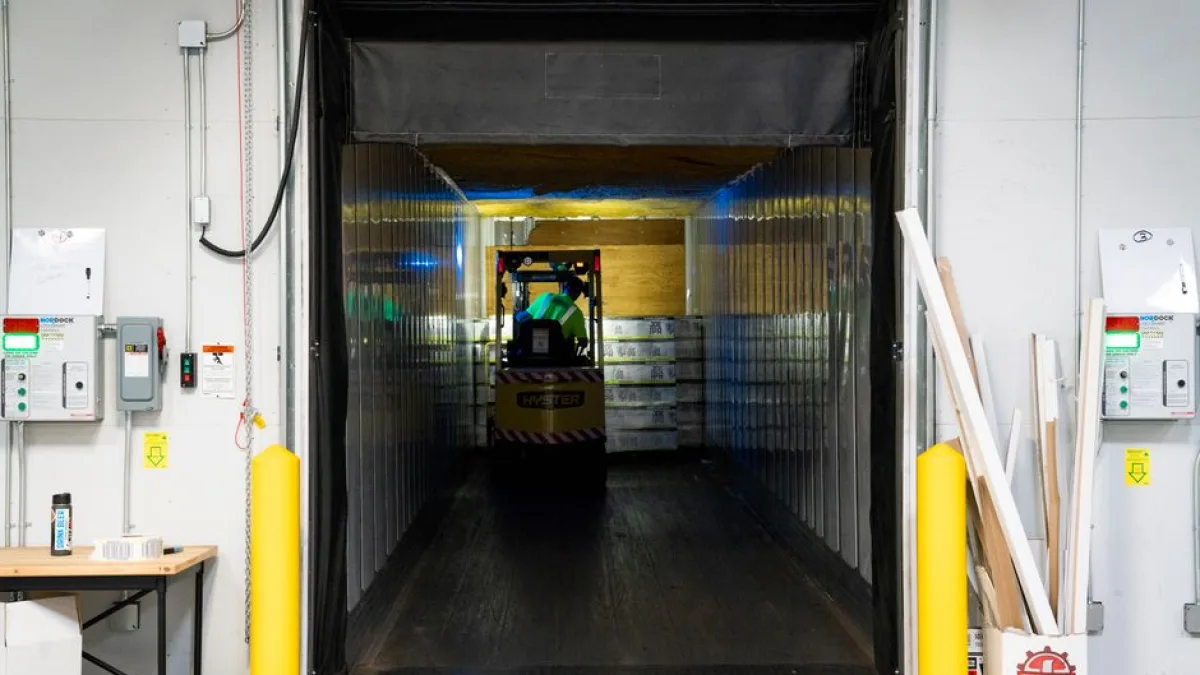
Managing air freight capacity requires a balance between cost efficiency and service level agreements. Cloud platforms provide sophisticated tools to compare carrier rates and availability instantly, enabling forwarders to secure space during peak seasons without sacrificing margin or overall operational flexibility.
- Dynamic Rate Comparison: Software tools pull current market rates from multiple airlines, allowing you to select the most cost-effective and reliable options for each specific shipment profile instantly.
- Capacity Allocation Planning: Centralized dashboards show available space across partner networks, helping your logistics managers book critical capacity well in advance of peak season demand surges and fluctuations.
- Carrier Performance Analytics: Detailed reporting tracks individual airline performance, enabling you to identify which carriers offer the best value and reliability for specific high-volume trade lanes globally.
- Automated Booking Requests: Standardized booking interfaces simplify the process of submitting requests to carriers, cutting down on email chains and phone calls while accelerating the entire procurement cycle.
Efficient capacity management is the key to maintaining profitability in a volatile market. By using technology to compare rates and monitor partner performance, you gain leverage during negotiations and ensure your clients receive the best possible service. These software solutions turn complex capacity data into actionable insights, helping your agency stay ahead of market trends while consistently maximizing your profit margins.
Enhancing Global Supply Chain Collaboration

Seamless communication between warehouses, ground handlers, and agents is essential for fast air freight operations. Unified cloud platforms create a single source of truth, removing information barriers and ensuring that all participants work from identical data sets throughout the entire lifecycle.
- Unified Partner Portals: Shared environments allow overseas agents and local ground handlers to update information concurrently, preventing data discrepancies and ensuring everyone follows the same operational procedures daily.
- Instant Messaging Integration: Built-in communication tools enable your team to discuss specific shipment challenges within the context of the order, reducing errors caused by misplaced emails or messages.
- Automated Task Notifications: Workflow engines trigger tasks for specific team members based on shipment events, ensuring that no logistical step is overlooked during the busy transit and delivery process.
- Third-party System Integration: Open APIs connect your platform with accounting software or WMS systems, creating a synchronized business ecosystem that supports end-to-end efficiency for your entire global network.
Collaboration is the glue that holds global freight operations together. By breaking down silos with cloud-based software, your company creates a resilient network that can withstand complex challenges. Fostering better internal and external communication leads to faster problem resolution and a superior service standard. When everyone operates with full transparency, your agency becomes a powerful force in the competitive world of international air logistics.
Conclusion

Harnessing the power of specialized software is no longer optional for forwarders wanting to lead the air freight sector. By modernizing your documentation, tracking, capacity procurement, and partner collaboration, you build a foundation for long-term growth and stability. Investing in cloud technology ensures your team can handle complexity with ease while delivering exceptional value to clients in a demanding global economy.