Optimizing Air Freight Operations in a Digital World
Friday, October 2 2026
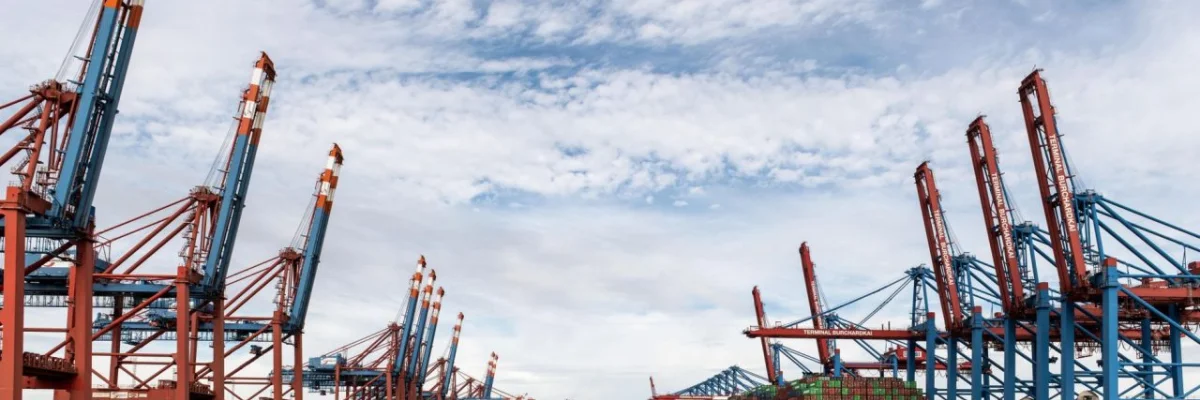
The rapid evolution of global logistics demands that freight forwarders leverage technology to remain competitive in the volatile air freight market. As supply chains become increasingly complex, moving cargo by air requires precision, speed, and real-time visibility that manual processes simply cannot provide. By adopting cloud-based platforms like MakeCargo, forwarders can streamline booking, documentation, and tracking, ensuring that high-value or time-sensitive goods reach their destinations without delay. Embracing this digital transformation is no longer a luxury but a fundamental necessity for companies aiming to enhance operational efficiency and deliver superior customer experiences in today's fast-paced international trade environment.
Mastering Air Cargo Documentation

Effective documentation management forms the backbone of air freight operations, ensuring that goods move seamlessly through customs and ground handling facilities. Digitizing these workflows reduces human error, accelerates processing times, and ensures compliance with international aviation safety regulations and standards.
- Electronic Airway Bills: Transitioning to e-AWB solutions eliminates paper trails, reduces administrative bottlenecks, and ensures that critical shipment data is instantly accessible to airlines and ground handlers worldwide.
- Automated Customs Compliance: Intelligent software modules automatically validate shipment declarations against customs requirements, significantly reducing the risk of costly delays and potential penalties during the clearance process.
- Standardized Data Entry: Implementing uniform data entry protocols across your organization ensures that shipment information remains accurate and consistent, which simplifies auditing and improves overall reporting reliability.
- Secure Cloud Storage: Storing essential shipping documents in a centralized cloud environment protects sensitive data while providing authorized team members with secure, instant access from any global location.
By shifting away from legacy paper-based systems, forwarders can reclaim valuable hours previously lost to manual verification. This shift minimizes the potential for misfiled paperwork while significantly improving the speed at which shipments move from warehouse to runway. When documentation is handled with digital precision, your team can focus on proactive communication and high-level strategy rather than chasing missing forms or correcting redundant data entries.
Improving Real-Time Shipment Visibility
Visibility is the primary driver of customer satisfaction in air freight. Clients demand constant updates on their high-priority cargo, and providing this level of transparency requires robust integration between forwarding software, airline tracking APIs, and global status databases.
- Live Tracking Integration: Connecting your platform directly to airline tracking systems provides automated status updates, allowing your team to monitor every shipment milestone without manual data entry.
- Automated Client Notifications: Configure proactive alerts to inform customers of shipment status changes, which builds trust and reduces the number of incoming inquiries regarding cargo locations.
- Predictive Delay Alerts: Advanced analytics monitor weather patterns and flight schedules to anticipate potential disruptions, enabling you to communicate proactively with clients before problems actually arise.
- Centralized Shipment Dashboards: A single interface displays all active air freight shipments, giving your operations team a high-level view of current performance and potential bottlenecks at airports.
Delivering accurate, real-time information allows your clients to plan their own inventory cycles with far greater confidence. When forwarders act as a source of truth rather than a source of uncertainty, they solidify their role as essential partners in the supply chain. This transparency reduces operational friction and creates long-term value that differentiates your service from standard competitors who lack modern visibility tools.
Managing Air Freight Pricing Strategies

Air freight rates fluctuate based on seasonal demand, capacity shortages, and fuel price volatility. Forwarders need sophisticated pricing tools that can manage complex rate sheets, calculate margins instantly, and provide instant quotes that remain accurate under changing market conditions throughout the year.
- Dynamic Rate Management: Efficient software tools allow your team to upload and manage thousands of airline rate variations, ensuring that quotes are always based on the latest available market data.
- Instant Quote Generation: Rapidly generate professional freight quotes by calculating volumetric weight and surcharges automatically, which helps you win business by responding to RFQs faster than competitors.
- Margin Analysis Tools: Built-in analytics allow you to track profitability on every individual air shipment, helping you identify which lanes or clients offer the best return on investment.
- Capacity Utilization Tracking: Monitor how efficiently you fill cargo space on specific routes, allowing for better negotiation with airline partners and improved management of your overall freight spend.
Mastering the pricing component of air freight requires balancing competitive rates with sustainable profit margins. By utilizing automated calculation engines, your staff can provide accurate pricing in minutes rather than hours. This speed not only increases the volume of quotes you can process but also allows for more strategic decision-making regarding which airlines and routes to prioritize based on current global profitability trends.
Building Strong Airline Partnerships

The relationship between a freight forwarder and air carriers is built on reliability and volume commitments. Managing these partnerships effectively requires clear communication, reliable forecasting, and a deep understanding of airline capacity constraints to ensure your cargo gets priority space during peak seasons.
- Volume Forecast Accuracy: Provide airlines with precise projections based on your historical data, which helps carriers plan their capacity better and strengthens your negotiation position for future space.
- Digital Communication Channels: Utilize integrated messaging systems to coordinate bookings and space confirmation with airline sales teams, reducing the reliance on long email chains and manual follow-up calls.
- Performance Reporting Metrics: Share detailed performance reviews with airline partners to discuss transit times and service quality, fostering a collaborative approach to solving recurring operational or logistics issues.
- Dispute Resolution Tools: Track invoice discrepancies and surcharges within your software to resolve billing issues with airline partners quickly, maintaining healthy cash flow and positive ongoing business relationships.
A proactive approach to vendor management ensures that your company remains a preferred partner for major carriers. By maintaining clear records and providing consistent booking data, you become easier to work with, which often leads to better service levels and preferential treatment when space is tight. Maintaining these healthy professional relationships is a critical strategy for scaling your air freight business over the long term.
Conclusion

Digital transformation is the catalyst for success in the modern air freight industry. By automating documentation, enhancing visibility, refining pricing strategies, and fostering strong carrier partnerships, freight forwarders can achieve unprecedented efficiency. These improvements lead to better service quality, higher customer retention, and increased profitability. Start optimizing your air freight operations today by leveraging the power of cloud-based technology to stay ahead of global competition.