Optimizing Air Freight Operations in a Digital Era
Saturday, October 3 2026
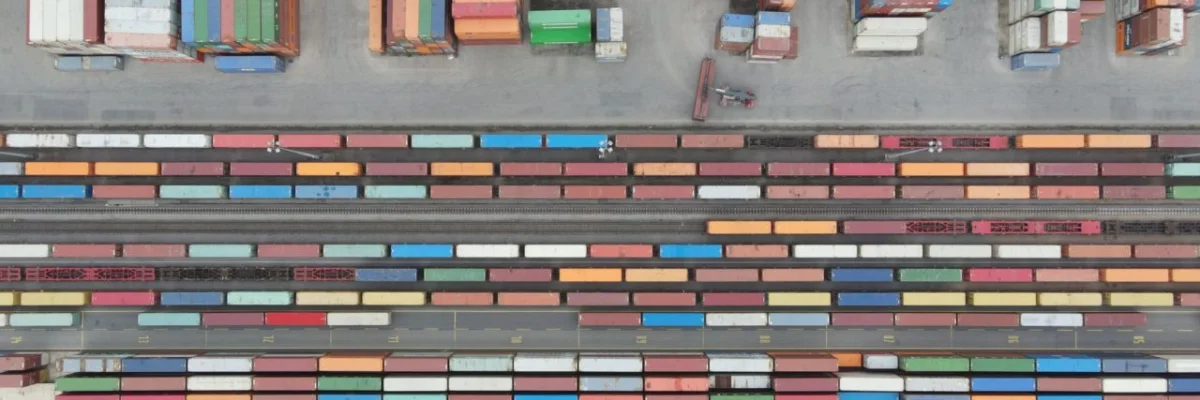
The global air freight industry stands at a critical juncture where speed and precision define competitive advantage. As demand for rapid, reliable delivery grows, logistics providers must transition from manual processes to sophisticated digital workflows. Leveraging cloud-based technology allows freight forwarders to gain real-time visibility, enhance collaboration, and handle complex customs documentation with unparalleled efficiency. By digitizing the end-to-end booking process, companies can overcome traditional bottlenecks that hinder operational growth. Today, success in the sky requires more than just aircraft capacity; it demands a robust digital infrastructure that empowers teams to make data-driven decisions while managing volatile cargo schedules across the globe.
Mastering Air Cargo Logistics
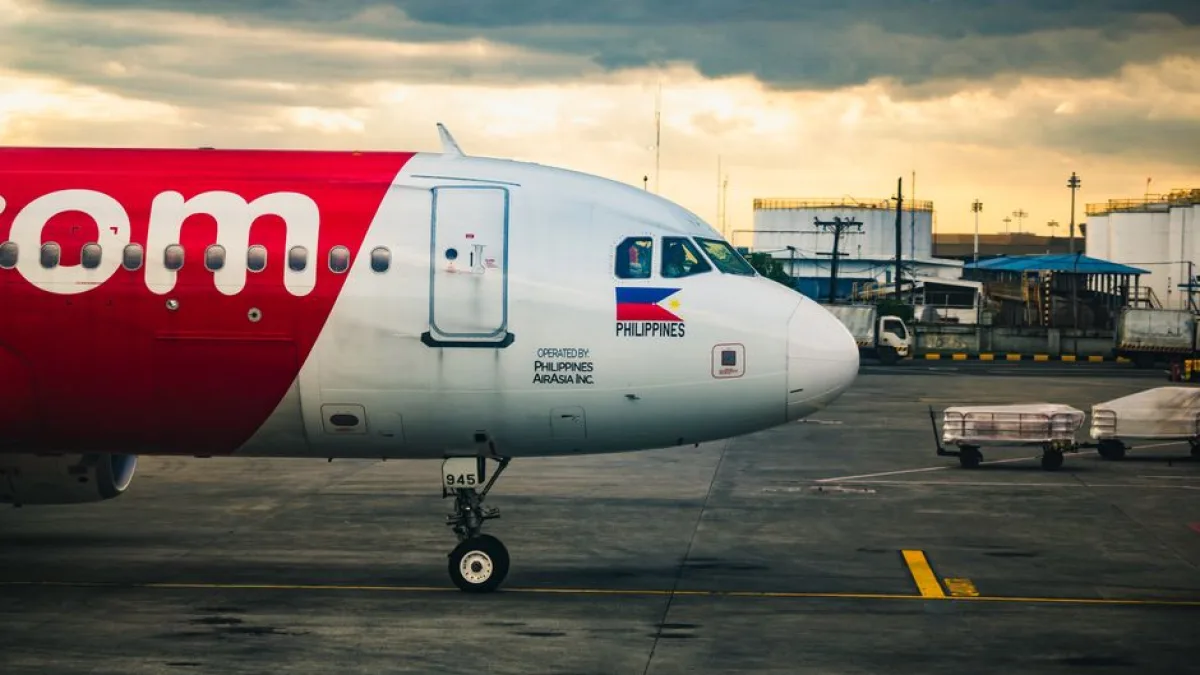
Efficient cargo handling is the backbone of air freight operations, requiring tight coordination between ground handlers and airlines. Modern cloud platforms provide the necessary visibility to ensure that every shipment moves through the terminal without unnecessary delays or costly documentation errors.
- Real-time flight tracking: Advanced digital platforms provide constant updates on cargo status, allowing your team to proactively communicate any potential delays to clients before they become major service issues.
- Automated documentation workflows: Reduce the risk of human error by using automated tools that generate and validate air waybills, packing lists, and essential customs documents in seconds.
- Capacity management tools: Gain full control over your available space by integrating booking data directly with airline partners to optimize load factors on every scheduled flight.
- Customs compliance integration: Seamlessly connect your freight management software with regional customs databases to expedite clearance procedures and reduce the time cargo spends waiting at airports.
Adopting these digital tools transforms how your agency interacts with partners and customers. By removing reliance on spreadsheets and manual entry, you create a scalable operation capable of handling increased volume without adding excessive overhead. The shift toward automation not only improves speed but also boosts accuracy across your entire logistics chain, positioning your freight forwarding business for sustained long-term growth and success.
Streamlining Booking Processes

The booking process represents a significant time investment for many forwarding teams. By implementing centralized digital platforms, forwarders can compare rates and book space instantly, effectively eliminating the back and forth communication that often plagues traditional air freight logistics operations.
- Instant rate comparisons: Utilize software to pull live pricing data from multiple airline partners, enabling your team to select the most cost-effective and efficient routing options.
- Centralized booking portal: Consolidate all shipment bookings within a single dashboard to simplify the workflow and ensure that every team member has access to current data.
- Automated carrier communication: Eliminate manual emails by utilizing system-generated alerts that confirm bookings, notify airlines of changes, and request necessary shipping documentation automatically and reliably.
- Client-facing digital portals: Empower your customers with a branded self-service portal where they can request quotes, track active shipments, and download invoices at their own convenience.
Centralizing your booking workflow allows your staff to focus on higher value tasks like customer relationship management and strategic planning. When information flows freely through a digital hub, the potential for human error drops significantly. This transition helps maintain a consistent service quality that builds client loyalty and differentiates your firm from competitors who are still struggling with legacy paper-based systems.
Ensuring Visibility and Tracking

Visibility has become the most requested feature from modern shippers. Clients expect to know the exact location of their air cargo at any given moment, making robust tracking technology a standard requirement for all freight forwarders operating in today's market.
- Live GPS monitoring: Implement IoT-enabled tracking solutions that provide precise location data for high-value shipments, ensuring that you always know where your cargo is located globally.
- Automated status notifications: Configure your system to trigger automatic email or SMS updates for your customers whenever a shipment reaches a major milestone or checkpoint.
- Historical data analytics: Leverage past tracking performance data to identify trends, such as frequent delays at specific airports, helping you to refine your routing strategies effectively.
- Integrated mobile applications: Provide your ground crews and partners with mobile access to the tracking system, ensuring that data is updated immediately from the warehouse floor.
Maintaining high levels of transparency builds trust and accountability with your client base. When shippers feel informed, their anxiety regarding complex transit timelines is greatly reduced. Investing in reliable tracking capabilities is a direct investment in customer retention. By providing clear and accurate data, your business becomes a reliable partner that shippers can depend on for their most critical, time-sensitive logistics requirements.
Navigating Compliance and Security
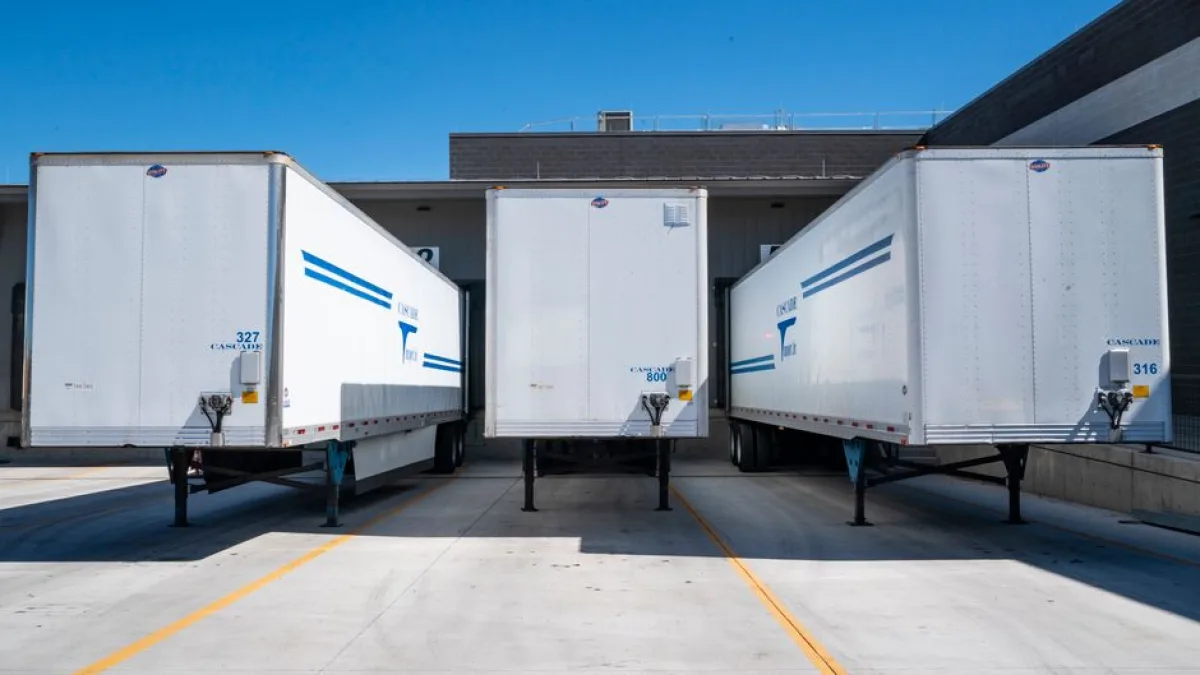
Regulatory compliance remains one of the most challenging aspects of air freight, with rules changing frequently across international borders. Digital solutions simplify this landscape by integrating the latest security standards and customs requirements directly into your daily operational software workflows.
- Security protocol automation: Ensure that all shipments adhere to current TSA or international aviation security guidelines by embedding mandatory screening protocols directly into your dispatch software.
- Digital audit trails: Maintain a complete and unalterable history of every document and communication related to a shipment, which is essential for passing rigorous internal and external audits.
- Automated regulatory updates: Receive instant notifications when international trade laws change, allowing your team to update their documentation processes before shipments are impacted by new regulations.
- Restricted party screening: Protect your business by automatically checking consignees and shippers against global sanction lists to ensure that you remain fully compliant with international trade laws.
Proactive security management protects your company from fines and legal complications while ensuring smooth cargo transit across international borders. By automating these essential tasks, you free up your team to focus on growth rather than constant regulatory navigation. A strong compliance foundation is not just about avoiding risk; it is a fundamental aspect of operating a professional and reliable air freight organization.
Conclusion

Successful air freight operations rely on the seamless integration of technology and professional expertise. By adopting modern cloud-based software, forwarders can automate complex processes, improve cargo visibility, and maintain strict compliance with global standards. Investing in these digital tools is the smartest way to scale your operations, reduce overhead costs, and deliver superior service. Start modernizing your freight forwarding business with MakeCargo today.