Optimizing Air Freight Operations for Modern Freight Forwarders
Sunday, October 4 2026

The global air freight landscape is undergoing a massive transformation driven by rapid digitization and evolving consumer demands. As freight forwarders face tighter deadlines and increased expectations for real-time transparency, the reliance on outdated manual processes is no longer sustainable for competitive growth. Leveraging advanced cloud-based platforms allows logistics providers to navigate complex airport regulations, manage capacity fluctuations, and provide superior client service. By integrating smart technology into daily workflows, forwarders can significantly reduce operational bottlenecks while enhancing shipment accuracy. Success in this high-speed sector requires a strategic shift toward automation, data-driven decision making, and seamless communication across all international logistics stakeholders.
Mastering Digital Booking Systems

Modern booking systems serve as the backbone of efficient air freight management by streamlining the quotation process. These platforms allow teams to manage carrier allocations and pricing updates instantly while ensuring that every shipment is tracked with precision from origin to final destination.
- Automated Rate Quotes: Utilize integrated pricing modules to generate accurate shipment quotes for clients within seconds, removing the manual labor typically associated with querying multiple airlines for available space.
- Capacity Management Tools: Gain full visibility into available airline capacity across diverse trade lanes, ensuring your team can secure necessary space during peak seasons without excessive overbooking or errors.
- Carrier Integration APIs: Connect your software directly with major airlines to receive real-time updates on flight schedules, ensuring that your data remains synchronized and accurate at all times.
- Client Portal Access: Empower your customers by providing them with a dedicated self-service portal to manage their bookings, view documents, and track active shipments without calling support staff.
- Dynamic Pricing Algorithms: Leverage intelligent software to adjust pricing models based on market volatility, fuel surcharges, and currency fluctuations, protecting your margins against sudden changes in global aviation costs.
Digital booking systems redefine how freight forwarders interact with airline partners and end customers. By removing reliance on emails and phone calls, companies foster a more agile environment that adapts to rapid changes in the market. Investing in these digital tools ensures that your logistics operations remain scalable, reliable, and prepared to handle the increased complexity of modern international air cargo transportation requirements.
Streamlining Customs Clearance Processes

Efficient customs documentation is essential for maintaining the speed inherent to air freight. Automating the submission of commercial invoices and air waybills reduces the risk of administrative errors that lead to costly delays at international airport borders and inspection facilities.
- Digital Documentation Management: Centralize all shipping documents within a secure cloud repository, allowing your team to retrieve files instantly for customs declarations, audits, or client inquiries at any time.
- Automated Compliance Checks: Implement automated screening tools that verify shipment details against international sanctions lists and trade regulations, preventing compliance issues before they result in significant cargo holds.
- Simplified Filing Workflows: Use standardized data entry forms that auto-populate information from previous shipments, minimizing repetitive manual tasks and drastically reducing the chances of human error during documentation.
- Real-time Status Updates: Receive automated alerts whenever a shipment clears customs or requires additional documentation, keeping your clients informed and allowing you to address potential bottlenecks immediately during transit.
- Electronic Customs Integration: Link your freight management software directly with government customs portals to submit declarations electronically, which significantly accelerates the approval process and improves overall shipment velocity.
Precision in customs clearance is the hallmark of a high-performing air freight forwarder. When digital tools handle the heavy lifting, your team can focus on complex exceptions rather than routine filing tasks. This strategic shift not only speeds up delivery timelines for your clients but also enhances your company reputation for reliability and regulatory excellence in a very demanding global trade environment.
Enhancing Real-Time Cargo Tracking
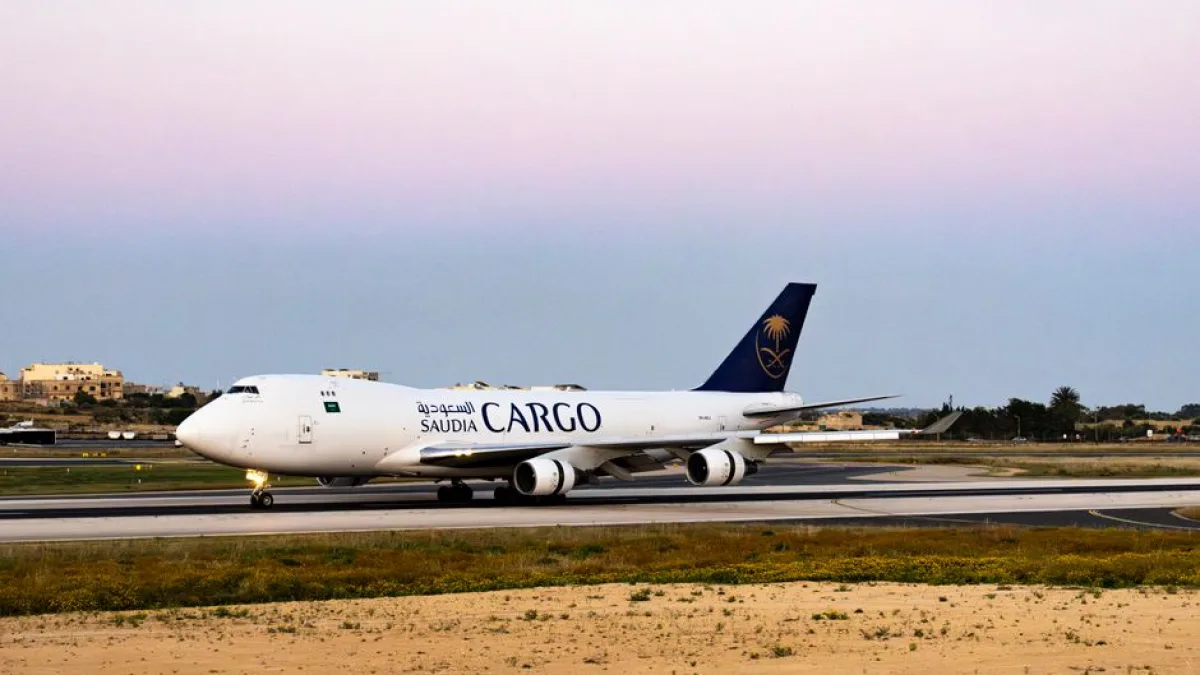
Providing customers with granular visibility is critical in modern logistics. Real-time tracking keeps stakeholders informed throughout the transit process, transforming a standard shipping experience into a transparent partnership that builds deep trust and long-term loyalty with every single transaction.
- Active Shipment Monitoring: Track packages across multiple touchpoints from the warehouse floor to the airport tarmac, ensuring that every leg of the journey is captured within your centralized software.
- Predictive Arrival Alerts: Use advanced data analytics to provide customers with accurate estimated arrival times that account for weather disruptions, flight delays, or unforeseen logistical challenges at airports.
- Automated Status Notifications: Configure proactive email or SMS updates that trigger at every milestone, giving your clients total peace of mind without the need for manual status reports.
- Interactive Shipment Dashboards: Provide visual maps and data charts on a user interface, helping your clients visualize their supply chain efficiency and identify areas for potential future improvements.
- Unified Logistics Data: Aggregate information from various carriers and handlers into one platform, creating a single version of the truth that eliminates confusion and improves inter-departmental collaboration.
Real-time tracking is no longer an optional luxury but a core requirement for any forwarder operating in the air freight market. By offering constant visibility, you minimize the frequency of incoming status queries and allow your staff to focus on proactive problem solving. Providing this level of service empowers your clients, improves operational transparency, and differentiates your business in a highly competitive logistics landscape.
Optimizing Warehouse and Ground Handling

The efficiency of your airport ground handling operations significantly impacts the speed of your air freight services. Coordinating effectively with local handlers, trucking partners, and warehouse personnel requires a unified system that maintains data accuracy throughout the entire physical movement of the cargo.
- Integrated Warehouse Software: Manage palletization and cargo storage requirements using digital inventory tools that ensure items are packed correctly and prepared for loading according to airline safety standards.
- Ground Handling Coordination: Streamline the hand-off process with local airport agents by sharing electronic manifests and arrival notices instantly, reducing wait times and improving coordination between various logistics partners.
- Optimized Loading Schedules: Use algorithmic planning to group shipments efficiently, maximizing container space and reducing the overall weight costs associated with your air freight export and import activities.
- Security Documentation Support: Automate the generation of security certificates and declarations to ensure that all cargo meets international aviation security protocols before reaching the airport loading dock.
- Resource Allocation Tools: Deploy software that monitors staff availability and equipment status, ensuring that you have the necessary assets to handle incoming shipments at peak airport operating hours.
Optimizing warehouse and ground handling processes is vital for maintaining the speed that clients expect from air freight services. By integrating your management software with the physical activities on the ground, you create a seamless workflow that reduces delays and lowers costs. This operational harmony allows your firm to handle larger volumes of cargo with greater efficiency and consistency every single day.
Conclusion

Optimizing air freight operations requires a holistic approach that combines smart digital tools with efficient process management. By focusing on automation, real-time tracking, and seamless compliance, freight forwarders can effectively navigate market challenges and provide superior service. Embracing these cloud-based solutions is the most effective path toward scaling your logistics business and securing a competitive advantage in the rapidly evolving global air cargo industry.