Optimizing Air Freight Operations with Modern Digital Solutions
Sunday, October 4 2026

The global air freight industry stands at a critical juncture where speed and precision define competitive advantage. As shippers demand real time transparency and faster transit times, freight forwarders must embrace digital transformation to remain profitable. Manual workflows and fragmented communication channels no longer suffice in an era where data driven insights dictate operational success. By integrating advanced cloud based platforms like MakeCargo, logistics providers can automate complex documentation, enhance route planning, and provide seamless updates to clients. This transition not only reduces human error but also empowers teams to focus on strategic growth rather than getting bogged down by repetitive administrative tasks.
Digitizing Documentation Workflows

Paperless documentation is the backbone of modern air cargo logistics. By moving away from physical folders and disparate spreadsheets, forwarders can significantly reduce processing times, ensuring that customs clearance and airway bill generation occur with minimal friction and maximum accuracy.
- Automated Data Entry: Implement software that automatically extracts information from booking requests to reduce manual typing errors and speed up the creation of essential air waybills for shipments.
- Centralized Cloud Storage: Maintain a single source of truth for all shipping documents, allowing global teams to access real time information from any location without delay.
- Standardized Compliance Checks: Use automated verification tools to ensure that all documentation meets international aviation security and customs regulations before the cargo reaches the airport terminal.
- Instant Digital Sharing: Enable secure document sharing with shippers and consignees, eliminating the need for email attachments that often lead to version control issues and lost communication.
Adopting digital document management transforms how your agency interacts with airlines and regulatory bodies. By creating a unified digital footprint for every shipment, you eliminate bottlenecks that traditionally stall air freight operations. This shift toward automation ensures that your team spends less time hunting for files and more time providing high quality value to your partners and stakeholders within the global supply chain.
Enhancing Real Time Visibility

Visibility is the top priority for modern shippers who require precise tracking information throughout the entire transit process. Advanced platforms now provide granular tracking, giving forwarders the power to proactively manage exceptions before they impact the final delivery schedule.
- Live Tracking Updates: Provide clients with automated notifications that offer precise status updates from departure to final delivery, ensuring total transparency for high value sensitive cargo items.
- Exception Management Alerts: Receive instant notifications when a shipment faces a potential delay, allowing your team to pivot and find alternative solutions before the issue escalates.
- Detailed Milestone Tracking: Monitor every stage of the air freight journey through a unified dashboard, keeping track of warehouse arrivals, flight departures, and customs clearance status events.
- Integrated Carrier APIs: Connect your software directly with airline data streams to pull live flight performance metrics and capacity availability directly into your internal management dashboard.
Providing exceptional visibility is no longer just an optional value add service. It has become a baseline expectation for customers navigating the volatile world of air logistics today. By leveraging real time data, your company demonstrates reliability and professionalism, which serves to build long term trust with clients who need to know their cargo is in safe hands at all times.
Optimizing Warehouse Throughput
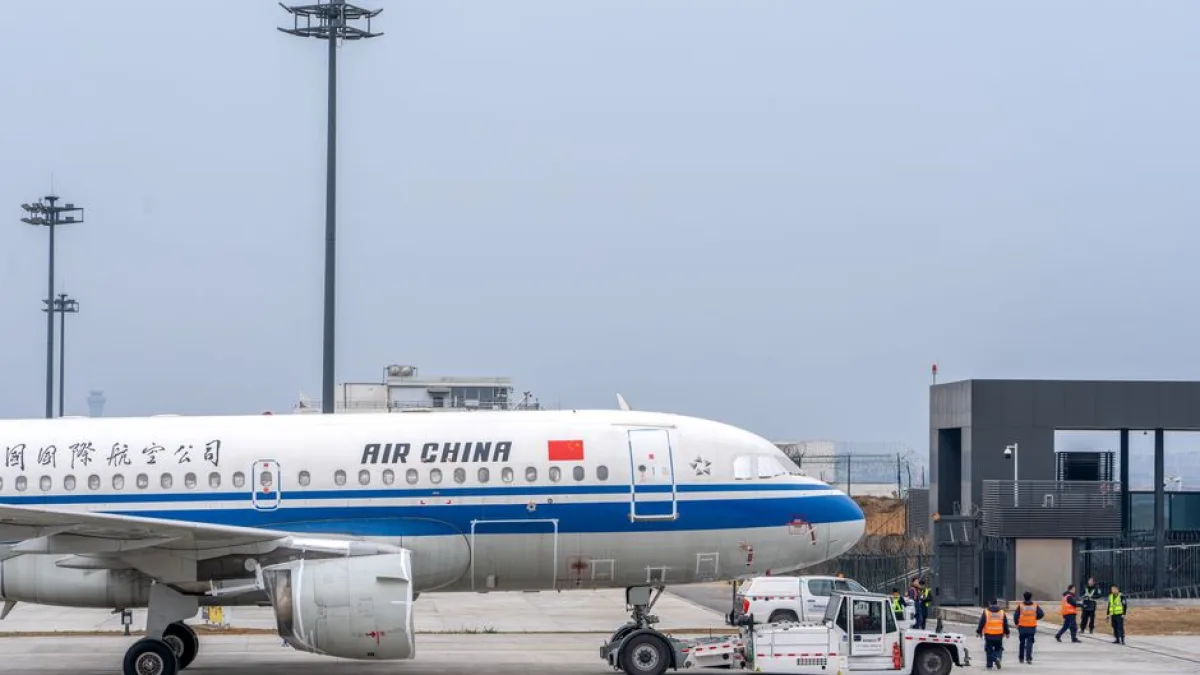
Efficient warehouse management is essential for maintaining the high speed nature of air freight shipments. By optimizing space and organizing inventory digitally, forwarders ensure that cargo spends less time on the floor and more time moving toward its destination.
- Smart Inventory Layouts: Utilize software to organize your floor space based on shipment priority, ensuring that time sensitive goods are always placed in the most accessible loading zones.
- Digital Stock Tracking: Monitor inventory levels in real time using barcode scanners that update your central system automatically, preventing stock discrepancies and improving overall warehouse accuracy levels.
- Priority Slot Allocation: Assign specific loading slots to urgent shipments to ensure that ground handling crews can process incoming and outgoing cargo with the highest possible efficiency.
- Resource Planning Tools: Forecast your staffing needs based on incoming shipment volumes, ensuring that you always have enough labor to handle peak periods without incurring extra costs.
When your warehouse operations are optimized for speed, your entire business benefits from improved turnover rates and happier clients. Moving cargo quickly through the facility reduces storage fees and minimizes the risk of damage or loss. Focus on creating a lean environment where technology guides every movement, allowing your warehouse team to perform at their absolute peak capacity during every single shift.
Strengthening Carrier Partnerships

Building strong relationships with airlines is vital for securing capacity during peak seasons. Effective software tools help you communicate better with carriers, making you a preferred partner who provides clean data and predictable volumes throughout the entire year.
- Volume Forecasting Tools: Share accurate shipment projections with your partner airlines to help them allocate capacity better, which can lead to more favorable rates and consistent space.
- Performance Analytics Reports: Generate detailed reports on airline performance, helping you make informed decisions about which carriers offer the best value and reliability for specific routes.
- Simplified Booking Requests: Utilize streamlined booking interfaces that allow you to request space from multiple airlines simultaneously, saving time and simplifying your daily carrier management workflow tasks.
- Claims Resolution Support: Maintain clear digital records of all shipping activities to simplify the claims process should any disputes arise regarding damaged or missing cargo shipments.
Strong carrier relationships are the hidden engine of a successful air freight business. By using data to show your value, you secure the capacity required to grow your market share. When you become an easy partner to work with, airlines are far more likely to prioritize your shipments, ensuring your clients receive the consistent service quality they demand in a competitive global market.
Conclusion

The integration of advanced software into your air freight strategy is no longer a luxury but a fundamental necessity for success. By digitizing documentation, improving visibility, and optimizing internal workflows, your business will gain the resilience needed to excel in this fast paced industry. Embrace these technological shifts today to ensure your agency remains ahead of the curve in a highly competitive market.