Optimizing Air Freight Operations for Modern Freight Forwarders
Tuesday, October 6 2026
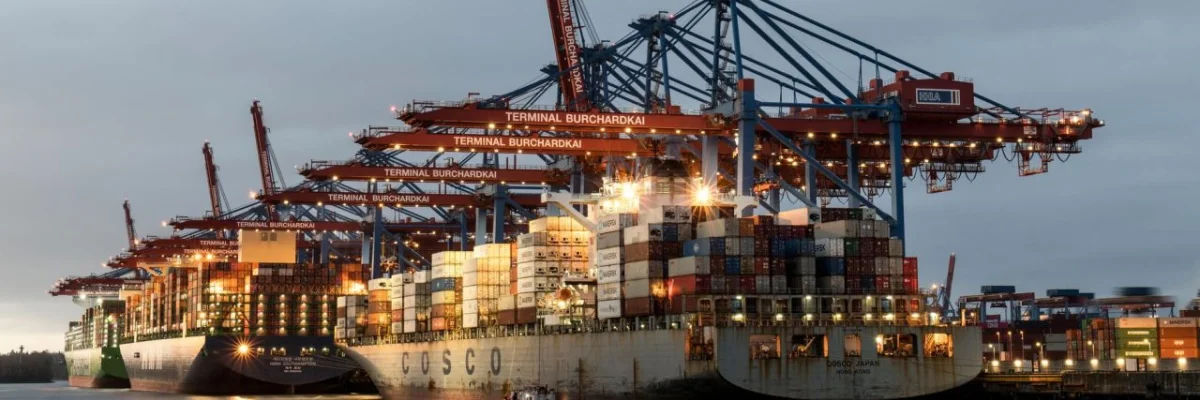
Air freight remains the backbone of global supply chains that prioritize speed and reliability for high value goods. As a freight forwarder, managing the volatility of flight schedules and shifting cargo demands requires precision and advanced digital tools. The industry is currently facing immense pressure to balance rapid delivery times with cost efficiency while maintaining full visibility for customers. By adopting automated systems, companies can mitigate risks and capitalize on real time data to navigate complex logistics landscapes. This article explores essential strategies for enhancing your air freight workflow and ensuring seamless operations in an increasingly competitive global marketplace for all stakeholders involved.
Mastering Flight Capacity Management

Efficient capacity management is the foundation of successful air freight operations. When you monitor available space across various airlines, you can optimize your shipping routes. Staying proactive ensures that you secure cargo space even during periods of heavy seasonal demand fluctuations.
- Dynamic capacity forecasting: Use predictive analytics to anticipate space requirements based on historical data patterns. This allows your team to negotiate better rates and avoid last minute booking surges.
- Real time tracking: Integrate your logistics software with airline portals to receive live updates. Accurate data helps you manage client expectations by providing precise arrival and departure times.
- Route optimization tools: Leverage sophisticated algorithms to calculate the most efficient flight paths for urgent shipments. Reducing unnecessary transit stops minimizes the risk of damage and accelerates overall delivery.
- Carrier performance metrics: Evaluate your airline partners based on reliability and speed data collected over time. Partnering with high performing carriers ensures consistent service quality for your end clients.
By mastering your capacity, you provide significant value to your customers through reliable lead times and predictable shipping schedules. The ability to pivot quickly when flight paths change is what distinguishes top tier freight forwarders from the rest of the market. Investing in digital integration helps eliminate manual errors that typically plague older logistics models, ensuring that every pallet arrives exactly where it needs to be.
Streamlining Air Cargo Documentation

Documentation errors are the leading cause of delays in air freight shipping cycles today. Transitioning to automated e-Air Waybill solutions reduces the administrative burden on your staff significantly. Digital processes ensure compliance and speed up customs clearance procedures for exports.
- Automated data entry: Utilize optical character recognition technology to extract information from shipping documents instantly. This reduces human error and speeds up the entire booking and customs process.
- Standardized digital templates: Implement uniform digital forms across all global offices to maintain consistency. Standardized workflows help teams collaborate more effectively regardless of their physical geographical location or time.
- Regulatory compliance checks: Automatically verify that all shipment details meet international air transport regulations. Proactive validation prevents costly hold ups at customs and avoids potential fines or penalties.
- Centralized document storage: Keep all shipping files in a secure cloud based environment accessible to authorized personnel. Easy access facilitates rapid communication with ground handlers and airline staff during transit.
Investing in automated documentation solutions allows your team to focus on high level strategy rather than repetitive manual tasks. With fewer manual interventions, your operational efficiency improves, and the risk of compliance related delays decreases significantly. Embracing a paperless office environment is not just an eco friendly choice but a strategic move toward faster and more transparent air freight shipping services worldwide.
Enhancing Shipment Visibility

Transparency is the most critical factor for customers using air freight services. Providing real time tracking updates keeps clients informed throughout the entire journey from warehouse to runway. When visibility is high, trust in your brand grows exponentially over time.
- Live tracking portals: Offer your clients a dedicated digital dashboard where they can see shipment status updates. Empowering customers with information reduces the number of inbound status inquiries.
- Automated status notifications: Set up triggers that send email or text updates whenever a shipment reaches a milestone. Proactive communication creates a superior customer experience throughout the lifecycle.
- Exception management alerts: Receive immediate notifications if a shipment experiences a delay or flight cancellation. Swift action allows you to find alternatives before the client even notices the issue.
- Global sensor integration: Use Internet of Things devices to monitor temperature and handling conditions during high value cargo flights. This level of detail provides an extra layer of security.
Visibility serves as a competitive advantage that encourages long term loyalty and referrals. By leveraging advanced software platforms, your freight forwarding business can offer a level of transparency that was once considered impossible. As the market demands faster information, staying ahead of these trends will help you build stronger relationships with your clients while positioning your company as an innovative leader in logistics.
Reducing Operational Costs

Controlling costs while maintaining speed is the ultimate challenge for any freight forwarder operating in the air sector. By analyzing your spending data, you can identify hidden inefficiencies that eat into your margins. Smarter procurement leads to healthier bottom lines.
- Cost data analysis: Regularly audit your shipping expenses to identify trends and potential areas for cost reduction. Analyzing data allows for better decision making regarding future carrier partnerships.
- Consolidated shipment strategies: Combine smaller shipments into larger units to take advantage of lower per kilogram rates. Efficiency in packing leads to significant savings across your entire cargo network.
- Negotiated volume contracts: Use your total annual shipping volume to secure better rates from major airline partners. Strong relationships with carriers are essential for managing your long term operational budget.
- Automated billing processes: Streamline your invoicing by connecting accounting software directly to your freight management platform. Fast billing cycles improve cash flow and reduce the time spent chasing payments.
Profitability is driven by your ability to manage margins without sacrificing service quality. Through detailed data analysis and smart shipping strategies, you can maintain profitability even during periods of high market instability. Focusing on these cost effective measures ensures that your company remains lean and agile, ready to navigate any economic challenge while continuing to deliver premium air freight services to your clients.
Conclusion
Mastering air freight operations requires a combination of digital innovation and strategic planning. By optimizing capacity management, digitizing documentation, ensuring total visibility, and reducing overhead costs, you position your logistics business for long term success. Stay ahead of market trends by adopting a cloud based platform that scales with your needs. Contact our team today to see how we can transform your freight forwarding operations.