Optimizing Air Freight Operations for Modern Freight Forwarders
Saturday, October 10 2026

In the fast-paced world of global logistics, air freight remains the ultimate solution for time-sensitive cargo and high-value shipments. As market volatility continues to challenge traditional supply chains, freight forwarders must leverage advanced digital tools to maintain a competitive edge. Speed, transparency, and real-time visibility are no longer just optional perks but essential requirements for international trade success. By integrating sophisticated software platforms, logistics providers can navigate complex regulatory environments and capacity shortages with greater ease. This guide explores the strategic improvements necessary for forwarders to streamline their air cargo workflows and deliver superior service to their global clients.
Mastering Air Capacity Management
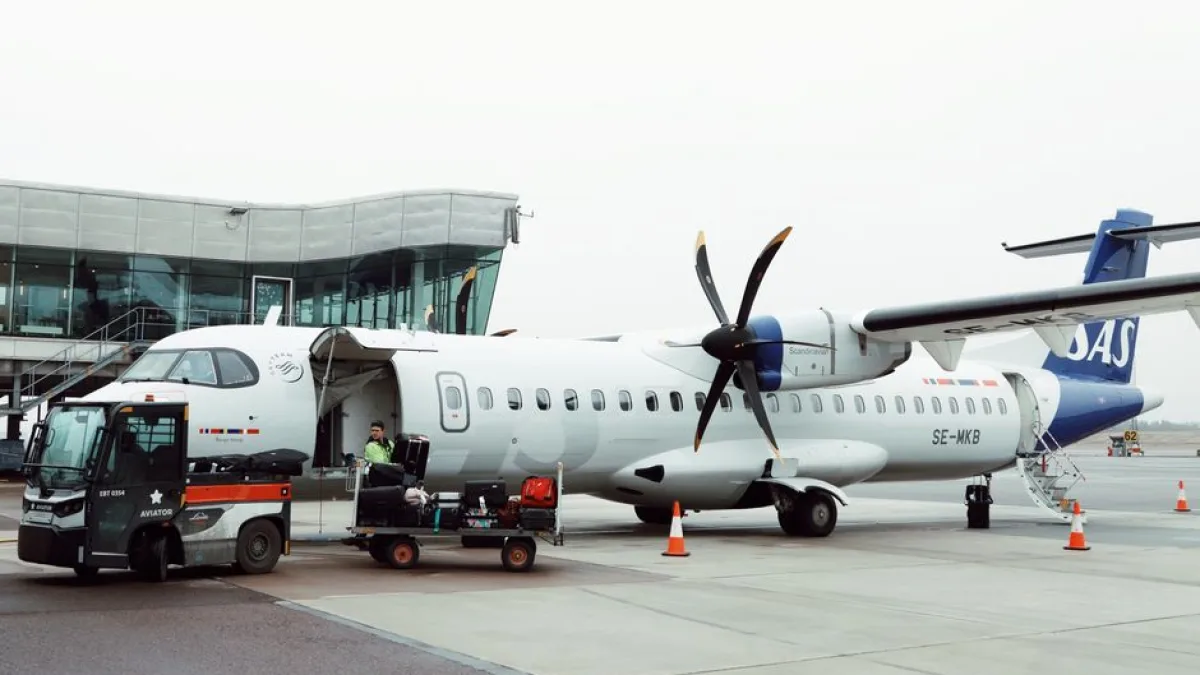
Effective capacity management is the backbone of successful air freight logistics. Forwarders must balance fluctuating aircraft space availability with urgent client demands, requiring constant monitoring of flight schedules and carrier allotments to ensure that cargo moves without unnecessary delays or disruptions.
- Real-time capacity tracking: Modern software allows teams to monitor available space across multiple airlines instantly. This ensures that booking decisions are based on accurate data rather than outdated carrier manual updates.
- Automated space allocation: Systemic tools help forwarders reserve necessary space automatically as soon as a shipment request arrives. This prevents manual entry errors and secures critical transit lanes ahead of competitors.
- Carrier performance analytics: Regularly evaluating airline reliability helps identify the best partners for specific routes. Data-driven decisions regarding carrier selection minimize transit risks and improve overall delivery success rates for clients.
- Optimized load planning: Intelligent algorithms assist in calculating the best pallet configuration for air shipments. Maximizing the volume usage per flight reduces shipping costs while increasing the profitability of every individual cargo movement.
Strategic management of air capacity requires a blend of technological precision and industry expertise. When forwarders utilize automated platforms to manage their space, they effectively reduce human error and eliminate time-consuming manual processes. This proactive approach allows teams to handle unexpected capacity crunches with confidence. Ultimately, digital integration transforms how logistics companies interact with airline partners to drive efficiency across every single transit lane.
Navigating Complex Customs Clearance

Global air freight is defined by strict customs regulations and intensive documentation requirements. Streamlining the clearance process is vital for avoiding costly storage fees and preventing shipments from becoming stranded in transit, as even minor paperwork errors can halt cargo movement.
- Digital documentation management: Centralizing all shipping documents in a cloud platform ensures that customs brokers have instant access to files. This minimizes communication delays and accelerates the overall border clearance timeframe.
- Automated compliance checks: Integrated software can flag potential compliance issues before documentation is submitted to authorities. This proactive verification reduces the risk of penalties or shipments being held at airport customs.
- Standardized data entry: Uniform input fields across the platform ensure that crucial shipment details are captured correctly every time. Precision in documentation is key to maintaining smooth operations with international agents.
- Instant status updates: Automated notifications keep all stakeholders informed about the status of customs clearance. Transparency during this phase helps manage client expectations and provides immediate clarity regarding shipment release timelines.
Mastering the intricacies of customs requires a commitment to digital accuracy and regulatory awareness. By digitizing the document flow, forwarders effectively shorten the lead times between arrival and final delivery. This transition from paper to automated systems allows teams to focus on problem solving rather than manual data entry. Enhanced visibility at the border creates a more reliable service for every customer.
Enhancing Shipment Visibility Tools

Visibility is the primary expectation for modern shippers who demand constant updates on their high-priority cargo. Implementing advanced tracking technology provides the granular transparency needed to identify potential bottlenecks early and proactively communicate shipment progress to the end customer throughout transit.
- Live GPS tracking: Connecting directly with carrier APIs provides real-time updates on the precise location of air cargo. This eliminates the need for manual status queries from clients and partners.
- Proactive delay alerts: Automated systems notify the operations team the moment an unforeseen flight delay occurs. Early notification allows staff to implement contingency plans before the client even realizes a disruption exists.
- Client self-service portals: Providing customers with direct access to tracking dashboards builds trust and reduces administrative overhead. Clients appreciate the ability to view their shipment status whenever they need information.
- Integrated milestone reporting: Tracking key events from airport pickup to final delivery provides a clear narrative for every shipment. Detailed reporting is essential for maintaining accountability and high-quality service standards.
Providing exceptional visibility is the hallmark of a professional freight forwarder in the digital age. By offering stakeholders a window into their cargo location, forwarders elevate their brand value and strengthen long-term business relationships. Moving beyond basic tracking toward predictive analytics creates a proactive culture of service. This commitment to transparency empowers teams to resolve issues quickly and keep global supply chains moving.
Leveraging Advanced Freight Software

Choosing the right technology stack is a critical investment for freight forwarders looking to scale their operations. A cloud-based platform connects every department, from sales to accounting, creating a seamless workflow that supports rapid growth and improves overall business financial performance.
- Unified cloud operations: Centralizing all shipment data ensures that every team member works from the same source of truth. This connectivity removes silos and improves communication across international office branches.
- Automated financial billing: Integrating the operations module with accounting software prevents revenue leakage and accelerates the billing cycle. Faster invoicing improves cash flow and reduces the time spent on manual reconciliations.
- Data-driven business intelligence: Platforms that offer deep analytics help forwarders understand their most profitable trade lanes. Identifying these trends allows for more strategic marketing and improved resource allocation for future growth.
- Scalable system architecture: Cloud software grows with your business, allowing for the addition of new users or regions without hardware constraints. This flexibility is essential for forwarders expanding their footprint in global markets.
Adopting advanced freight software is a strategic necessity rather than a technological luxury. Companies that integrate their workflows into a single cloud environment gain the agility required to survive and thrive in competitive markets. As operations become more automated, teams gain the freedom to focus on strategic business development. This digital foundation ensures your agency remains resilient regardless of how market conditions eventually shift.
Conclusion

Optimizing air freight requires a combination of robust digital tools and a commitment to operational efficiency. By mastering capacity management, streamlining customs, and providing total visibility, forwarders can deliver superior value in a demanding market. The journey toward full digitization is ongoing, but the rewards include increased profitability and stronger client loyalty. Start optimizing your air freight processes today for long-term success.