Optimizing Air Freight Operations with Modern Software Solutions
Sunday, October 11 2026
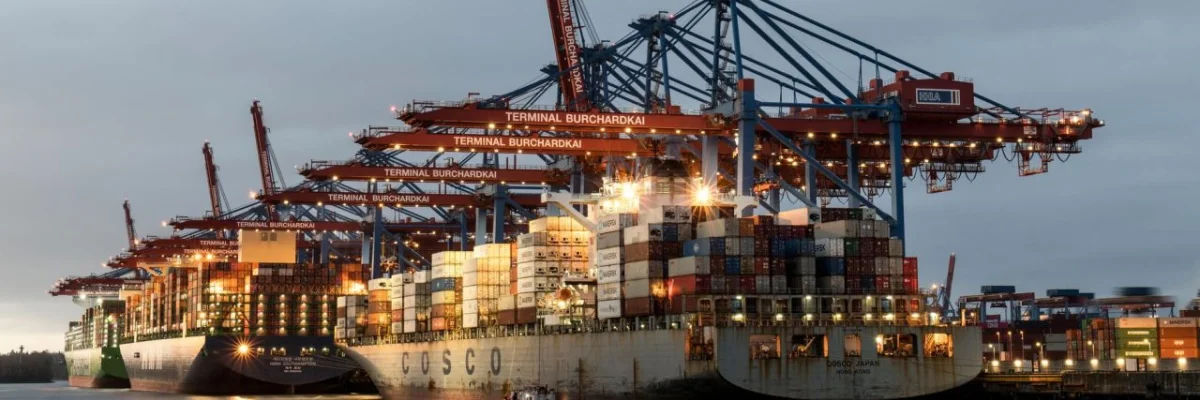
In the high-speed world of international logistics, air freight stands as the pinnacle of efficiency for time-sensitive cargo. Freight forwarders are constantly tasked with navigating complex flight schedules, stringent security protocols, and fluctuating capacity demands. Leveraging advanced cloud-based platforms allows professionals to gain real-time visibility into their supply chain, drastically reducing manual errors and communication bottlenecks. By integrating automation into your operational workflow, you can handle higher volumes with precision. This article explores how modern software transforms traditional air freight management, ensuring your business stays competitive, agile, and ready to meet the evolving expectations of global shippers.
Streamlining Capacity Management

Effective capacity management is the backbone of successful air freight operations. By centralizing flight schedules and space availability within one interface, teams can make informed decisions. This visibility reduces the time spent on manual coordination and increases overall accuracy for clients.
- Automated space booking: Integrate your software directly with airline systems to secure cargo space instantly, eliminating the need for back and forth emails while ensuring your shipment gets priority loading.
- Real time scheduling: Monitor flight availability and departure times across various global hubs to provide clients with the most accurate logistics planning and reliable transit duration estimates.
- Capacity alert triggers: Set up custom notifications that alert your team when airline capacity reaches specific thresholds to help you avoid last minute panic and shipping delays efficiently.
- Carrier performance tracking: Maintain detailed records of airline punctuality and reliability to make data-driven decisions when selecting partners for your high-priority, time-sensitive air cargo shipments each week.
- Optimized routing tools: Utilize smart software algorithms to identify the most cost-effective and fastest flight paths for complex shipments, ensuring your clients receive the best possible service every time.
Mastering capacity management is essential for forwarders who want to scale their business. When your team uses digital tools to track every available slot, you reduce administrative overhead significantly. This proactive approach turns potential logistical nightmares into streamlined processes. By removing reliance on disconnected spreadsheets, your company gains the agility needed to react to sudden market changes and provide superior service levels to customers.
Enhancing Compliance and Security

Global air cargo requires strict adherence to international security standards and documentation protocols. Modern software solutions automate the collection and verification of essential paperwork, ensuring every shipment complies with customs regulations and safety mandates before it even reaches the tarmac.
- Digital documentation vault: Securely store all air waybills and invoices in a centralized cloud location to ensure that your team can access critical compliance files during sudden audits.
- Automated screening workflows: Incorporate mandatory security protocols into your digital checklist to ensure that all cargo receives the proper hazardous material inspections before moving to the aircraft.
- Customs data integration: Link your operational platform directly to customs authorities to expedite the electronic filing of manifests and reduce the risk of costly delays at borders.
- Regulatory update alerts: Receive automatic notifications whenever international air travel security laws change, allowing your operations team to adjust their procedures and maintain full compliance at all times.
- Secure audit trails: Maintain a transparent history of every action taken on a shipment file, providing peace of mind and accountability for your clients during inspections.
Compliance is not just about avoiding fines; it is about maintaining trust with your partners and international authorities. Using software to handle these complex regulatory requirements minimizes human error and protects your reputation. When documentation is filed correctly and on time, you avoid the bottlenecks that cause shipments to sit stagnant. Your team can focus on growth rather than constant regulatory remediation.
Leveraging Real-Time Tracking

Providing clients with accurate shipment status is a major competitive advantage. Modern freight software provides granular visibility from the warehouse floor to the final destination, allowing you to proactively manage exceptions and keep stakeholders informed throughout the transit lifecycle today.
- Live status updates: Automatically pull tracking data from multiple airline carriers to provide clients with precise status reports regarding their cargo location and expected arrival times daily.
- Proactive exception handling: Receive instant alerts when a flight is delayed or diverted, enabling your team to contact the client and provide solutions before the issue escalates.
- Customer portal access: Empower your clients with a secure login where they can view their shipment status independently, reducing the volume of inbound status inquiry phone calls.
- Detailed event logging: Record every milestone in the journey of your air cargo, from pickup to final delivery, ensuring that you have complete data for future reporting.
- Customized client reports: Generate automated tracking performance reports for your top customers to showcase your reliability and build long-term loyalty through transparent and frequent data communication.
Real-time tracking is now the industry standard for logistics. If your software does not offer deep, automated visibility into shipment milestones, you are falling behind. By providing your customers with clear, data-backed insights, you strengthen business relationships and prove your value. Being the first to report an issue and offering a solution builds trust that keeps your clients coming back to you.
Optimizing Billing and Financials

Financial transparency is the final piece of the air freight puzzle. Automating your billing processes ensures that all air freight charges, fuel surcharges, and handling fees are captured accurately, preventing revenue leakage and speeding up the cash flow for your logistics company.
- Automated invoicing logic: Set up rules that calculate final shipping costs based on weight, volume, and carrier surcharges, ensuring your invoices are always accurate and reflect real costs.
- Multi-currency support: Handle complex international billing tasks with ease by automatically converting air freight costs into local currencies while managing fluctuations in exchange rates effectively every day.
- Direct cost reconciliation: Match airline carrier invoices against your internal shipment records automatically to identify discrepancies and prevent overpaying for services that were not successfully delivered.
- Payment status tracking: Monitor your accounts receivable in real time to understand which shipments have been paid and which require follow-up, helping your finance team manage liquidity.
- Profitability analytics dashboards: View detailed profit and loss data for each air freight lane, allowing you to adjust your pricing strategy and focus on the most profitable routes.
Streamlined financial management is vital for the long-term health of your freight forwarding firm. When billing is automated, you eliminate the tedious manual entry that often leads to errors and lost revenue. By having a clear view of your margins and expenses, you make more intelligent decisions about which carriers to support. This financial precision allows you to reinvest your profits into further growth.
Conclusion
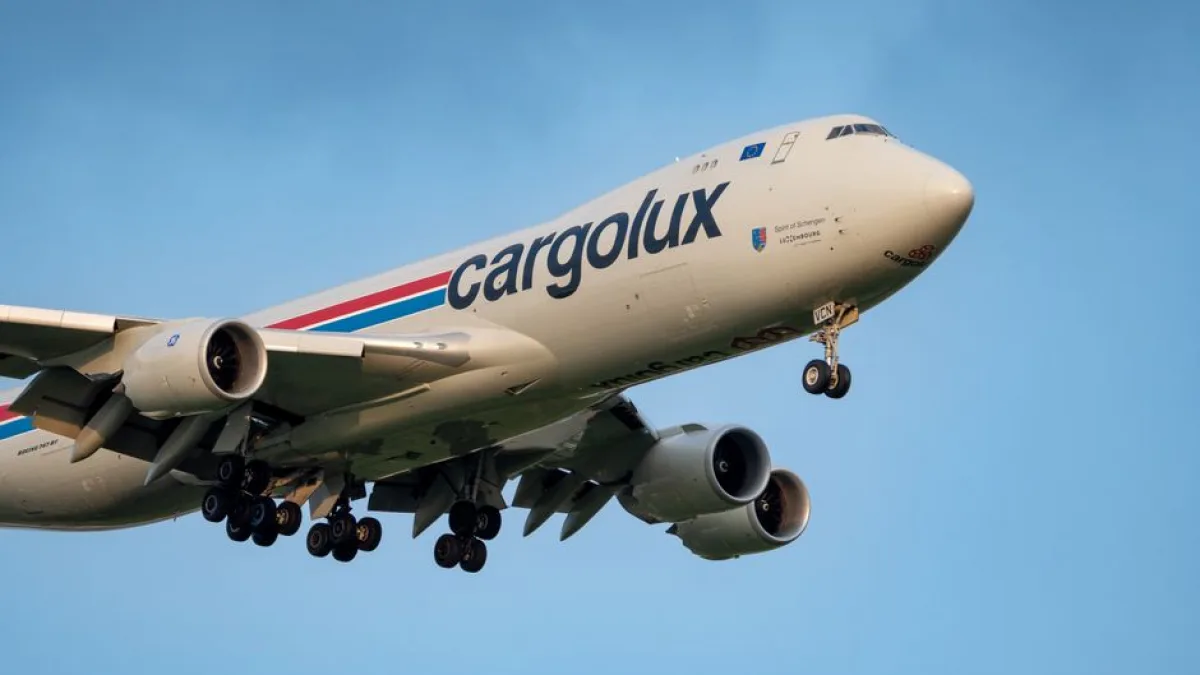
Adopting advanced software like MakeCargo empowers freight forwarders to master the complexities of air logistics. By focusing on capacity management, compliance, tracking, and financial accuracy, you position your business to thrive in a demanding global market. Embrace these digital tools to reduce operational stress and deliver superior service to your clients. Start your journey toward seamless air freight management today for better business outcomes.