Optimizing Air Freight Operations for Modern Forwarders
Tuesday, October 13 2026
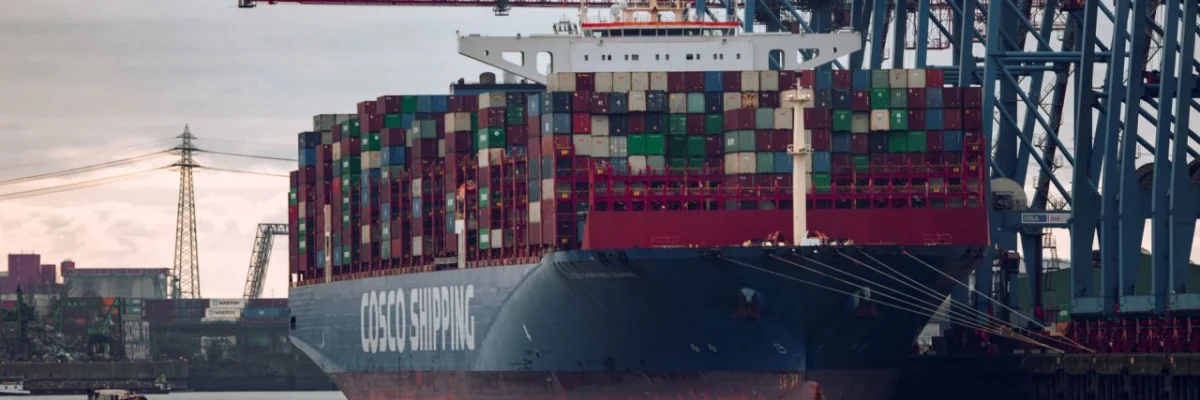
The global air freight industry demands unparalleled precision and agility in a world where supply chains face constant volatility. For freight forwarding professionals, the ability to manage complex logistics while ensuring cost-effectiveness is a significant challenge. By integrating cloud-based technologies and advanced automation, forwarders can gain real-time visibility into their cargo movements while reducing manual errors. As consumer expectations for speed continue to rise, modernizing your air freight workflow is no longer an optional upgrade but a core requirement for remaining competitive. This article explores essential strategies to streamline your logistics operations and achieve sustainable growth in the aviation sector.
Digitizing Booking Workflows

Digital transformation starts with the booking process where manual entry often leads to costly bottlenecks. By adopting unified software platforms, forwarders replace cumbersome email threads with seamless digital interfaces that simplify every interaction between the agent, the carrier, and the end customer.
- Automated Rate Comparisons: Instantly compare multiple airline rates and transit times to provide your clients with the best options while significantly reducing the time spent on manual data gathering tasks.
- Centralized Documentation Management: Keep all air waybills and customs forms in one secure location to ensure that every team member has immediate access to critical shipment information at once.
- Instant Booking Confirmation: Eliminate the lag time associated with back-and-forth communication by utilizing real-time API connections that confirm flight space with carriers at the exact moment of request.
- Standardized Data Entry: Reduce human error significantly by utilizing pre-filled templates and automated validation checks that ensure all shipping data meets international aviation safety and compliance standards.
Transitioning to a digital booking environment empowers your team to handle higher volumes with greater confidence and speed. When the booking process is automated, staff can shift their focus from repetitive data entry to high-value customer service and complex logistics problem solving. This proactive approach not only lowers overhead costs but also builds stronger trust with clients who value transparency and reliability throughout the shipping process.
Real-Time Shipment Visibility
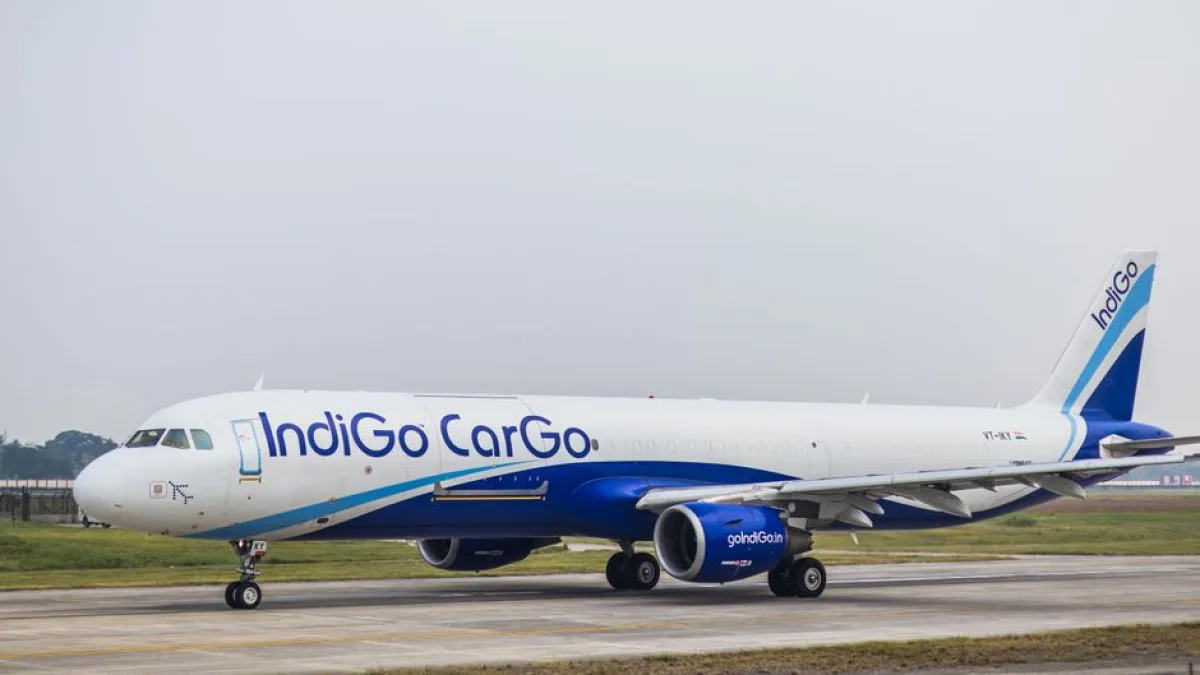
Providing customers with live updates on their cargo status is essential for maintaining high service standards. With cloud-based tracking, your team can monitor shipments through every flight leg, ensuring that any potential delays are identified and communicated before issues escalate further.
- Live Tracking Updates: Give your clients total peace of mind by providing automated notifications that track cargo from the warehouse floor through to the final arrival at destination.
- Proactive Delay Alerts: Receive instant notifications regarding weather disruptions or flight schedule changes, allowing your team to re-route shipments and manage client expectations with professional precision and speed.
- Enhanced Client Portals: Create custom dashboards for your key accounts that allow them to view shipment statuses without requiring constant email updates or phone calls to your office.
- Performance Data Analytics: Utilize historical tracking data to identify trends in carrier performance, helping you make informed decisions about which routes or airlines offer the most reliability.
Visibility serves as the backbone of modern freight forwarding services because it transforms the customer experience from reactive to proactive. When you provide stakeholders with accurate, real-time data, you eliminate the uncertainty that often plagues air cargo operations. This level of transparency not only reduces your internal workload but also differentiates your brand in a crowded market as a leader in technical excellence.
Streamlining Customs Compliance

Navigating the complex landscape of international customs regulations requires a meticulous approach to data security and accuracy. Modern software platforms help forwarders manage compliance filings effectively, ensuring that all documentation is accurate before the cargo reaches the air terminal for departure.
- Automated Regulatory Filings: Connect directly with local customs authorities to submit filings electronically, reducing the risk of manual mistakes that could lead to shipment holds or heavy penalties.
- Document Compliance Checks: Use built-in system validations that automatically flag missing signatures or incorrect HS codes, ensuring your paperwork is ready for clearance long before arrival time.
- Secure Data Storage: Maintain a compliant audit trail by storing all shipping documents in a cloud environment that meets rigorous security standards for international logistics and global trade.
- Simplified Duty Calculations: Automatically compute duties and taxes based on the latest regional trade agreements, providing your customers with accurate cost estimates to prevent any financial surprises later.
Effective customs management is vital for maintaining the flow of goods without interruptions at borders. By leveraging automated compliance tools, you remove the guesswork from international regulations and minimize the risk of costly delays. This organized approach to documentation ensures that your operations remain efficient, compliant, and ready to scale, allowing your business to expand into new global markets with total regulatory confidence.
Managing Carrier Relationships

Building strong partnerships with airlines is a critical component of successful air freight forwarding. A robust software platform facilitates better communication and data sharing, allowing forwarders to negotiate better space allocations and improved service levels based on historical volumes and reliable data insights.
- Performance Monitoring Tools: Evaluate carrier reliability by tracking transit times and damage incident rates, providing you with the necessary leverage to negotiate better service contracts each year.
- Direct API Integration: Establish deep technical connections with major airlines to receive preferential access to capacity updates and real-time inventory levels during high-demand shipping seasons globally.
- Collaboration Communication Channels: Streamline your daily correspondence with airline representatives by using integrated messaging tools that keep all project notes linked directly to specific shipment records and files.
- Capacity Forecasting Models: Use advanced data analytics to predict future capacity needs, enabling you to secure essential space on critical routes well ahead of your direct industry competitors.
Strong carrier relationships are built on consistent data and mutual success. When your software provides reliable reporting on volume and performance, you become a more valuable partner to airlines worldwide. This strategic alignment allows for better planning, more stable pricing, and priority handling during peak seasons. By optimizing these professional relationships, you ensure that your clients always receive the best possible service and capacity availability.
Conclusion

Mastering air freight logistics in the digital age requires a combination of robust software, strategic relationships, and proactive management. By digitizing your bookings, ensuring end-to-end visibility, automating compliance, and nurturing strong carrier partnerships, you position your firm for long-term success. Embrace these technological advancements today to streamline your operations, reduce overhead costs, and deliver the exceptional service that global shippers demand in today's fast-paced market.