Optimizing Air Freight Operations for Modern Freight Forwarders
Tuesday, October 13 2026

The air freight industry remains the backbone of global supply chains, enabling the rapid transit of time-sensitive and high-value commodities across continents. As consumer expectations evolve and e-commerce growth accelerates, freight forwarders must navigate increasing complexity, stricter security regulations, and fluctuating capacity availability. Leveraging advanced software solutions becomes critical to maintaining competitive margins and operational agility in this fast-paced sector. By integrating digital tools, logistics professionals can enhance transparency, reduce manual administrative burdens, and provide superior service levels that differentiate their businesses in a crowded market. Adapting to these digital demands is no longer optional for firms aiming to succeed long-term.
Mastering Capacity Management

Efficient capacity management serves as the primary pillar for air freight profitability. Forwarders need real-time insights into airline allocations and spot market rates to provide accurate quotes. Utilizing integrated platforms ensures that space is secured effectively while minimizing costly empty leg segments.
- Automated rate retrieval: Modern software allows freight forwarders to pull live rates from multiple airline partners instantly, ensuring that pricing remains competitive and reflects current market volatility without manual errors.
- Capacity monitoring tools: Digital dashboards provide centralized visibility into available space across various carriers, enabling operations teams to book cargo space rapidly and avoid the risks of last-minute cancellations.
- Dynamic allocation tracking: Systems that track block space agreements ensure that forwarders maximize their negotiated capacity while preventing overbooking or underutilization of precious air freight space throughout peak shipping seasons.
- Supplier rate negotiation: Platform data analytics help firms identify trends in carrier performance and pricing, providing the necessary evidence to negotiate better long-term contracts for higher shipping volumes.
Optimizing capacity is an ongoing process that requires constant attention to market data and carrier performance. By adopting a proactive approach to space management, forwarders can significantly reduce their operational overhead while increasing overall reliability for their customers. When software handles the heavy lifting of data analysis, teams are free to focus on strategic planning and building stronger relationships with their airline partners.
Streamlining Documentation Workflows

Documentation errors frequently lead to cargo delays and expensive customs hold-ups. Standardizing the digital generation of air waybills and commercial invoices is vital for compliance. Streamlining these workflows through cloud-based platforms allows for seamless data flow and reduces human error significantly.
- Digital documentation generation: Automated systems generate essential shipping documents directly from existing order data, ensuring that all airway bills comply with current IATA standards and carrier requirements every single time.
- Compliance data validation: Advanced software tools verify shipping data against international trade regulations automatically, flagging potential inconsistencies or missing information before the cargo ever reaches the airport terminal gate.
- Electronic data exchange: Utilizing standardized EDI connections allows for direct communication with airlines and customs authorities, eliminating the need for paper based processes and reducing the risk of data entry.
- Centralized document storage: Secure cloud repositories provide instant access to historical records and shipping documents, facilitating faster audits and simplified retrieval processes for teams across multiple global branch office locations.
Precision in documentation remains the cornerstone of successful international air trade. By migrating from manual systems to automated digital workflows, forwarders can ensure faster processing times and improved security at every transit point. This transition not only boosts efficiency but also minimizes the risk of heavy fines and operational disruptions, ultimately leading to a more robust and compliant air freight service for clients.
Enhancing Real-Time Cargo Visibility
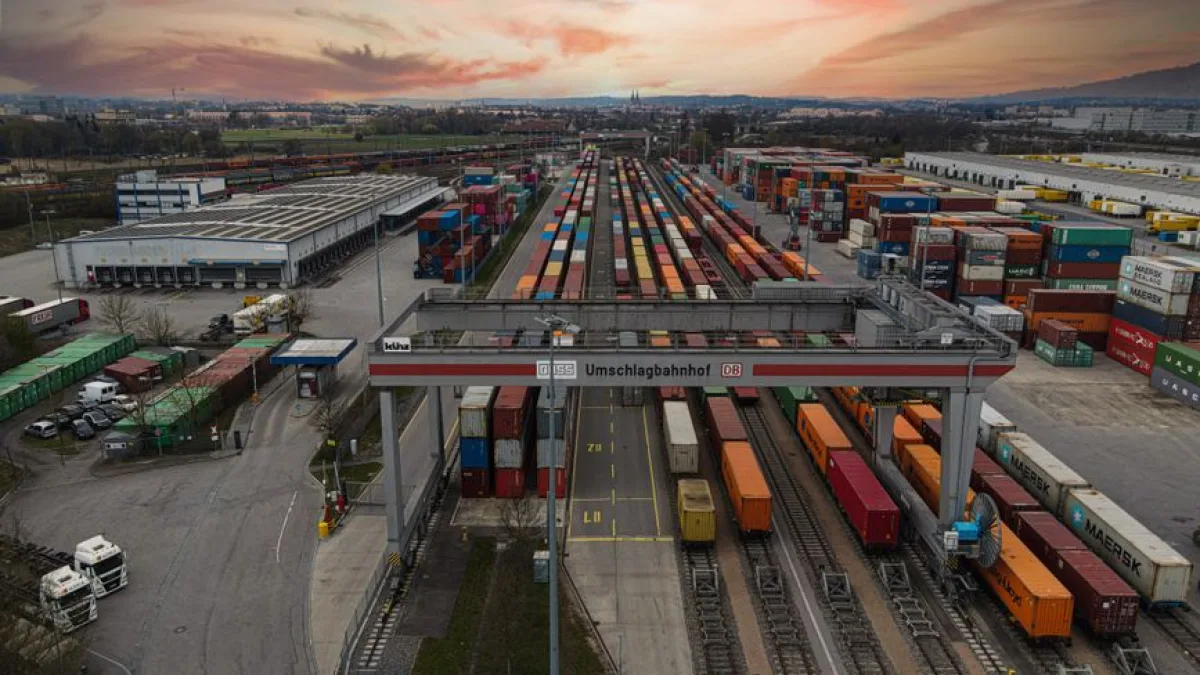
Visibility is the top requirement for modern shippers expecting granular updates on their goods. Providing real-time tracking from warehouse departure to final airport arrival builds immense trust. Integrated cloud software keeps all stakeholders informed through automated, accurate, and transparent status updates.
- Live tracking updates: Integrated GPS and carrier API connections provide real-time status updates, ensuring that both the forwarder and the end customer are aware of the exact cargo location.
- Proactive delay alerts: Automated notification systems instantly trigger alerts when unexpected flight delays or terminal congestion occur, allowing teams to communicate potential schedule changes to stakeholders without delay.
- Transparency for clients: Providing customers with dedicated portals creates a professional experience, reducing the frequency of status check emails and freeing up support staff for more complex logistics tasks.
- Milestone tracking accuracy: Granular milestone monitoring allows for precise arrival estimates, which is crucial for managing the complex delivery chains associated with time-sensitive air cargo and perishable goods shipments.
Today's logistics landscape demands absolute transparency at every stage of the journey. Forwarders who utilize sophisticated tracking tools offer a superior customer experience compared to those relying on legacy communication methods. By maintaining constant visibility, firms can proactively address problems as they arise, solidifying their reputation as reliable partners who are always in control of their sensitive international air freight supply chain operations.
Leveraging Advanced Data Analytics

Data is the most valuable asset in modern air freight. Analyzing shipping performance, carrier margins, and historical volume trends allows leadership to make informed decisions. A data-driven strategy identifies hidden inefficiencies that might otherwise go unnoticed in daily manual administrative logistics work.
- Profit margin analysis: Detailed analytics tools calculate the net profit for each air freight shipment, helping teams identify which routes or carrier partners offer the best financial returns daily.
- Volume trend reporting: Recognizing seasonal fluctuations in freight demand enables forwarders to prepare for peak periods, ensuring they have sufficient resources and capacity to meet the client needs.
- Carrier performance metrics: Tracking on time performance and incident rates by carrier helps companies refine their preferred vendor lists to ensure high quality service standards are maintained consistently throughout.
- Cost reduction strategies: Examining expense patterns across all logistics operations reveals opportunities to trim unnecessary costs, optimize routes, and improve the overall financial health of the freight forwarding firm.
Harnessing the power of data transforms a reactive business model into a proactive strategic machine. Forwarders who prioritize analytical rigor gain a significant edge by optimizing their operations based on factual performance indicators rather than guesswork. Embracing these insights allows for continuous improvement and sustainable growth in a competitive environment, ensuring long-term profitability while delivering exceptional value to global shipping clients worldwide.
Conclusion
Success in air freight requires a harmonious blend of technology, accurate data, and strategic carrier management. As the industry advances, forwarders must embrace cloud-based tools to maintain their edge. By automating core processes and focusing on visibility, businesses can navigate the complexities of global trade with confidence. Start optimizing your air freight operations today by leveraging integrated software solutions designed for modern freight forwarding excellence.