Optimizing Air Freight Operations with Modern Software Solutions
Wednesday, October 14 2026

The global air freight industry is currently undergoing a rapid digital transformation to meet the surging demands of international commerce. Freight forwarders must navigate volatile capacity shifts, complex customs regulations, and the constant pressure to deliver goods with maximum efficiency. Leveraging cloud-based technology has become the standard for firms aiming to maintain a competitive edge. By integrating advanced software platforms like MakeCargo, logistics providers can automate manual processes, improve real-time visibility, and facilitate seamless communication across their global supply chain networks. Adapting to these technological advancements is no longer optional for firms striving to achieve long-term growth and operational excellence in today's landscape.
Streamlining Booking Processes
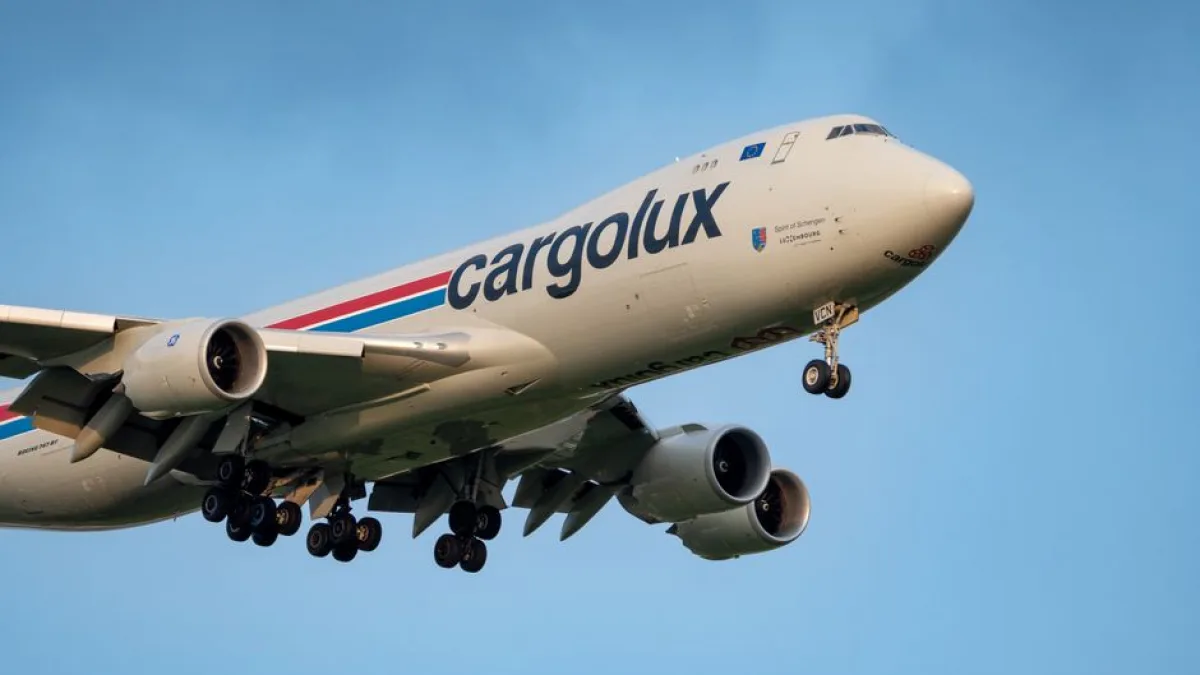
Digital booking platforms allow freight forwarders to manage multiple carrier quotes within a single interface. This eliminates the tedious process of manual data entry and email coordination, ensuring that teams can secure space and confirm shipments with speed and accuracy every time.
- Automated Quote Comparison: Agents can view real-time rates from multiple airline partners side by side to ensure they are securing the most cost-effective and efficient shipping routes for clients.
- Instant Booking Confirmation: Systems that sync directly with airline APIs reduce the waiting time for shipment approvals, allowing logistics coordinators to lock in space before capacity constraints occur.
- Data Entry Accuracy: By mapping customer information directly to airway bills, software solutions prevent costly errors that frequently occur when information is typed manually across several disjointed digital systems.
- Centralized Documentation Storage: Keeping all booking contracts, invoices, and shipping labels in one cloud location makes retrieval instantaneous for teams working across different time zones and regional offices.
Optimizing the booking process is a foundational step for any high performing freight agency. By reducing the time spent on administrative tasks, staff can focus on providing value added services to clients. Modern software integration transforms the booking experience from a slow, error prone activity into a highly efficient workflow that supports rapid business scalability and increases the overall profit margins for the company.
Enhancing Real Time Visibility

Tracking shipments through the air requires precise data integration between ground handlers, airlines, and the final delivery partners. Advanced software provides a single source of truth, enabling teams to proactively address potential delays and maintain transparency throughout the entire transit.
- Live Shipment Tracking: Clients gain peace of mind through automated notifications that provide status updates at every critical milestone, from the initial pickup to the final destination delivery.
- Proactive Delay Alerts: Advanced systems monitor weather patterns and airport congestion to notify stakeholders of potential disruptions before they negatively impact the expected delivery schedule of the cargo.
- Integrated Partner APIs: Direct connections with airline tracking systems ensure that data flows seamlessly into the logistics platform, removing the need for agents to manually check status updates.
- Transparent Milestone Reporting: Granular reporting tools allow managers to identify bottlenecks in the transit process and take corrective actions that improve the reliability of their shipping services.
Visibility serves as the backbone of modern customer service in the logistics industry. When clients have constant access to accurate data, their trust in the freight forwarder grows significantly. By utilizing cloud tools that consolidate tracking information, logistics firms can distinguish their service offerings in a crowded market. Reliable data remains the most valuable asset for maintaining strong relationships with global shipping clients.
Managing Complex Customs Compliance

Air freight often moves at a high speed, requiring customs documentation to be flawless and submitted well in advance of arrival. Digital compliance tools assist forwarders in navigating intricate international trade laws and avoiding costly penalties during the cross border transit.
- Automated Filing Protocols: Modern software automatically formats customs entries based on the specific destination country requirements to ensure that all documentation meets local regulations and legal standards today.
- Document Compliance Checks: Built in verification features flag missing information or incorrect tariff codes before submission to help avoid customs hold ups that often lead to major cargo delays.
- Regulatory Update Integration: Leading platforms constantly update their databases with the latest international trade rules, ensuring that forwarders are always operating with current information during every single international shipment.
- Electronic Document Transmission: Secure portals allow for the instant transfer of digital copies to customs authorities, reducing the reliance on physical paperwork and speeding up the clearance process globally.
Navigating the complex world of international customs requires a combination of expertise and the right digital infrastructure. Automated compliance features significantly reduce the risk of human error while ensuring that cargo clears borders with minimal friction. Investing in robust compliance software allows freight forwarders to confidently manage shipments into any territory, knowing that their documentation processes meet all necessary legal requirements for cargo.
Scaling Operations Through Automation
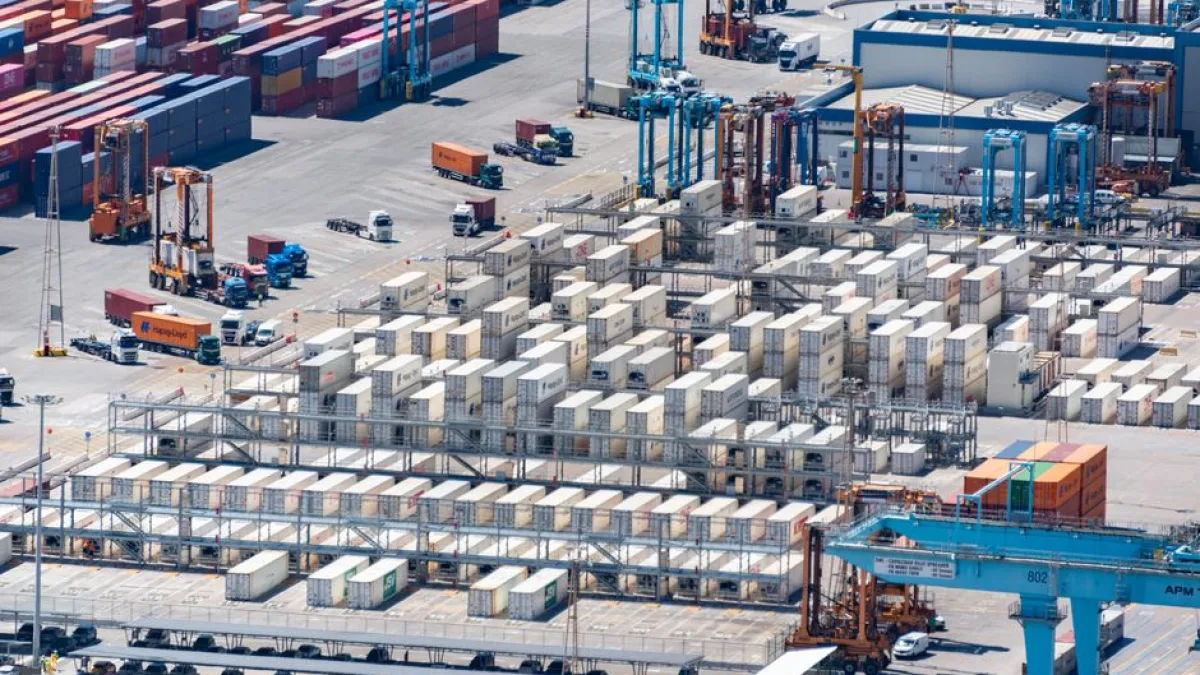
Scalability is a critical objective for growing freight forwarding businesses. By automating routine operations and financial workflows, firms can manage a larger volume of shipments without necessarily increasing their headcount, leading to a much healthier bottom line and improved staff satisfaction.
- Seamless Financial Integration: Automated invoicing and payment tracking ensure that the accounting team remains up to date on shipment costs, reducing the risk of billing errors and late payments.
- Workflow Process Automation: Tasks such as task assignment, internal alerts, and status changes are handled by the system, freeing up employees to focus on high value sales and strategy.
- Scalable Cloud Infrastructure: Cloud platforms grow alongside the business, allowing firms to add new users and international branches without the need for complex and expensive hardware server installations.
- Advanced Analytics Dashboards: Management teams can access comprehensive reports on shipment volumes and carrier performance to make data driven decisions that support long term business expansion and strategy.
Scaling a freight forwarding business requires more than just hard work; it demands the right technology to handle increased complexity. Automation serves as the catalyst for growth, allowing teams to handle more complex shipping scenarios with total confidence. By adopting scalable cloud software, forwarders position themselves as industry leaders capable of delivering consistent results regardless of how rapidly their own shipping volume increases.
Conclusion

Mastering air freight operations requires a balance of professional expertise and advanced technological support. By implementing cloud based platforms, forwarders gain the tools necessary to optimize bookings, ensure transparency, and handle complex customs requirements with ease. Embracing these digital innovations will allow your freight firm to remain competitive, improve client satisfaction, and scale effectively. Explore our solutions at MakeCargo to start optimizing your logistics operations today.