Optimizing Air Freight Operations for Modern Freight Forwarders
Friday, October 16 2026
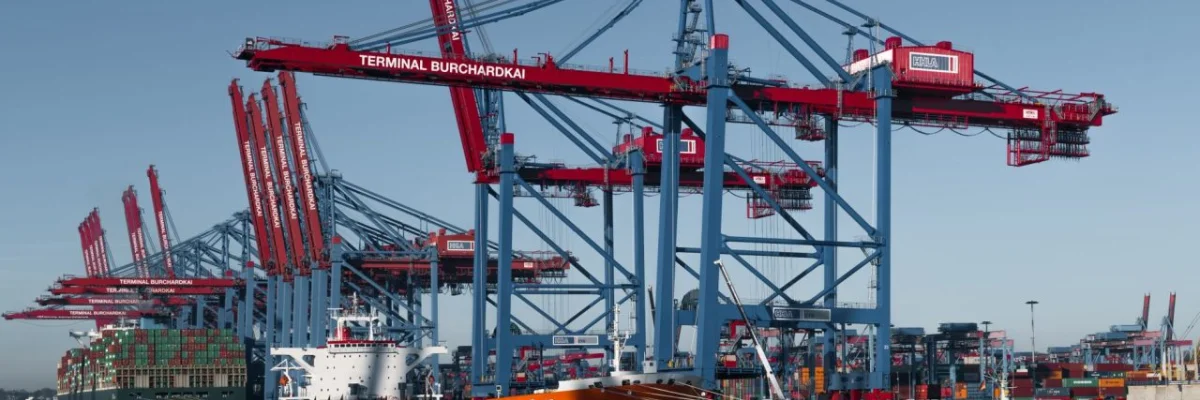
The global air freight industry demands precision and speed to remain competitive in a volatile logistics landscape. As supply chain complexities increase, freight forwarders are turning to cloud based platforms to manage capacity, documentation, and real time tracking with greater efficacy. Moving time sensitive cargo requires seamless integration between airlines, ground handlers, and agents to minimize delays and costs. By adopting digital transformation tools, logistics companies can shift from manual data entry to automated workflows. This evolution allows teams to focus on customer experience while ensuring cargo reaches its destination safely within the tightest transit windows possible.
Managing Dynamic Capacity
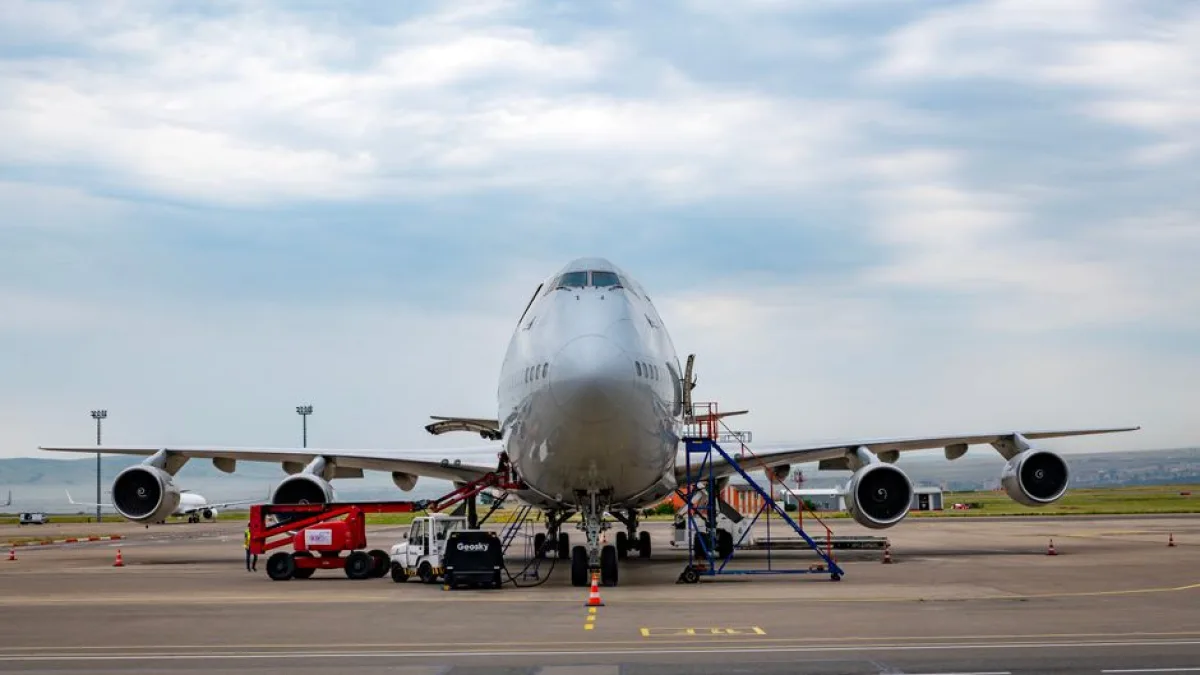
Efficient capacity management is the backbone of successful air freight operations. Forwarders must balance fluctuating space availability with shifting demand to ensure optimal load factors. Utilizing smart software allows for instant access to carrier data, ensuring that your booking strategy remains agile.
- Real time availability: Access live airline space data directly through your digital portal to compare routes and costs immediately before finalizing critical bookings for your most important shipping clients.
- Automated space reservation: Streamline the entire booking process by utilizing integrated tools that send requests to multiple carriers simultaneously to secure the best rates for your specific cargo.
- Capacity trend analysis: Review historical booking data to identify peak seasonal periods and adjust your procurement strategy accordingly to maintain competitive pricing for your valuable freight service customers.
- Carrier performance tracking: Monitor airline reliability metrics and transit times to make data driven decisions when selecting partners for high priority shipments that require strict adherence to schedules.
Mastering dynamic capacity requires a combination of historical insight and modern connectivity. By leveraging software that updates in real time, you avoid the pitfalls of manual errors and redundant communication. This proactive approach ensures your team spends less time searching for space and more time managing client relationships. Ultimately, a streamlined booking pipeline translates into higher operational margins and improved reliability for your customers.
Streamlining Air Waybill Documentation

Processing air waybills remains a document heavy task prone to errors. Transitioning to automated documentation modules reduces manual intervention, significantly cutting down on clerical mistakes and accelerating the pace at which shipments move from warehouse floor to airport tarmac.
- Automated data population: Sync your shipment details directly into standard air waybill templates to eliminate double entry errors and ensure total compliance with international aviation customs data requirements.
- Digital document storage: Maintain a centralized repository for all airway bills and customs forms to ensure your team can retrieve any necessary shipment paperwork within seconds during audits.
- Automated error detection: Use intelligent validation tools that flag missing information or incorrect codes before you submit documentation to airlines or customs authorities to prevent costly delays.
- Electronic signature integration: Implement digital signature workflows to authorize paperwork remotely and keep the shipping cycle moving without waiting for physical copies to be printed or manually signed.
The transition to paperless documentation is no longer optional for forwarders aiming to stay competitive. Digital workflows improve accuracy and foster faster processing speeds during the busy export cycles. By automating these repetitive administrative tasks, your staff can dedicate their efforts to resolving complex logistics challenges. Embracing these digital solutions ensures that your documentation processes are scalable as your volume grows over time.
Enhancing Real Time Cargo Visibility

Providing customers with absolute transparency regarding their air cargo status is a core service requirement. Modern cloud platforms enable deep visibility by integrating tracking data across all touchpoints, from the warehouse floor through to final airport arrival and distribution.
- Integrated tracking portals: Offer your customers a branded client portal where they can view the current status of their air shipments without needing to contact your operations team.
- Automated status updates: Configure custom triggers that automatically notify your clients whenever their cargo reaches a new transit milestone or experiences an unexpected delay during its air journey.
- Global sensor integration: Connect your tracking software with internet of things devices to monitor temperature and handling conditions for sensitive cargo while it is in transit by air.
- Proactive delay management: Utilize early warning systems that alert your team to potential routing issues so you can implement contingency plans before the cargo arrives at port.
Visibility serves as the foundation for trust between freight forwarders and their clients. By providing accurate and timely status updates, you reduce customer anxiety and minimize the time your staff spends answering routine status inquiries. Implementing a robust tracking ecosystem means your operations team can focus on exceptions rather than status checks. This strategy builds long term loyalty and improves overall service quality standards.
Optimizing Warehouse and Ground Handling
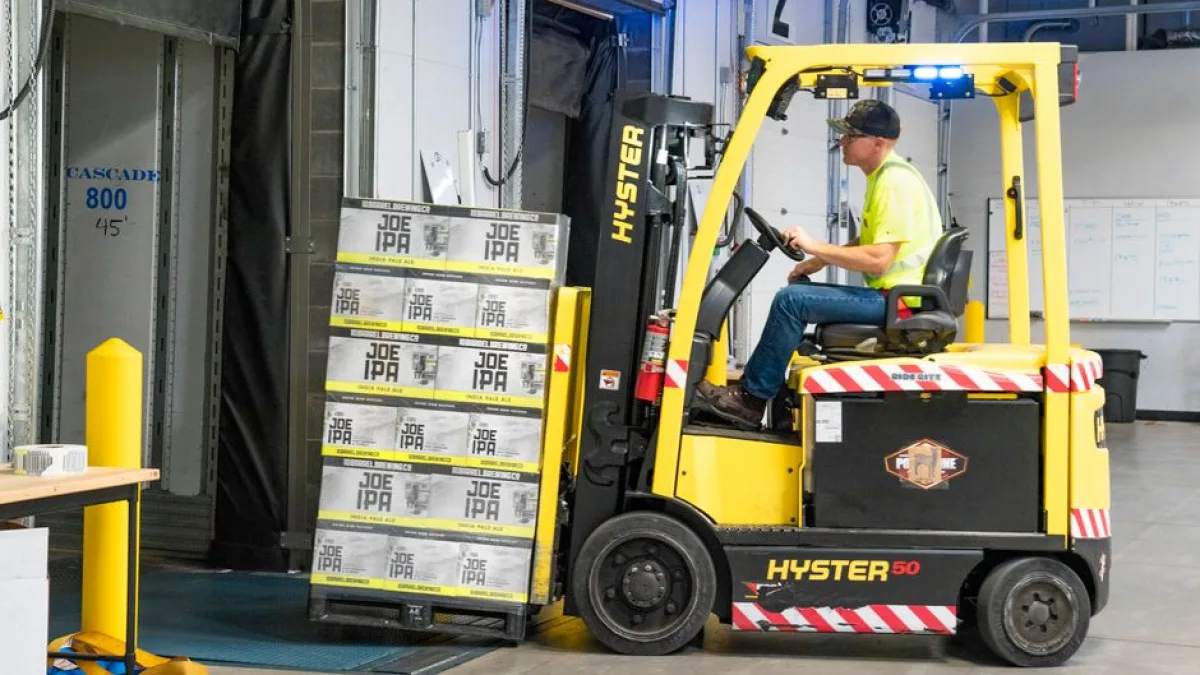
Air freight speed is often dictated by how quickly cargo moves through the warehouse. Synchronizing ground handling operations with flight schedules is essential to avoid cargo being left behind, which is why integrated systems are vital for air freight teams.
- Smart warehouse planning: Organize your cargo intake and pallet building processes based on upcoming flight departures to ensure that all freight is ready for prompt ground handling.
- Automated weight verification: Use scale integrated software to automatically capture and record the exact chargeable weight of each shipment to prevent billing discrepancies and costly carrier disputes.
- Staff productivity tracking: Monitor the time taken for various ground handling tasks to identify bottlenecks and optimize your warehouse workflow for maximum throughput during busy peak seasons.
- Hazardous goods compliance: Ensure that all dangerous goods documentation and labeling requirements are verified within your platform to meet strict aviation safety regulations and avoid cargo rejection.
Optimized warehouse operations act as the final gatekeeper for your air freight efficiency. When ground handling teams operate in perfect harmony with your digital dispatch systems, the risk of cargo roll over is significantly reduced. Investing in these operational efficiencies allows you to handle higher volumes without compromising safety. Consistent performance in the warehouse ultimately leads to faster turnaround times for your global clients.
Conclusion

Optimizing air freight requires a commitment to digital integration and automated workflows. By prioritizing capacity management, documentation accuracy, real time visibility, and warehouse efficiency, forwarders can elevate their service standards. Implementing cloud software ensures that your operations remain agile, scalable, and prepared for the challenges of international trade. Start your journey toward a more efficient freight business by evaluating your current digital tools today.