Optimizing Air Freight Operations for Modern Forwarders
Saturday, October 17 2026
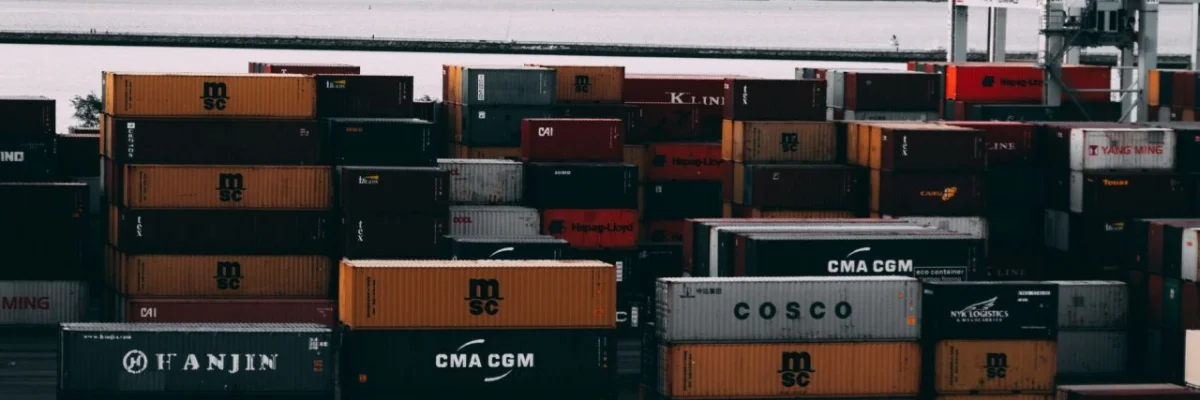
The global air freight industry remains a critical pillar for time sensitive supply chains that require speed and reliability. As freight forwarders navigate increasing market volatility and complex regulatory landscapes, the ability to leverage digital solutions becomes essential for maintaining a competitive edge. Modern software platforms now allow professionals to manage capacity, track shipments in real time, and automate documentation with unprecedented precision. By embracing these technological advancements, forwarders can improve their operational margins and deliver superior service levels to their clients. This article explores key strategies for optimizing air freight workflows to ensure long term success in an evolving market.
Mastering Air Cargo Capacity
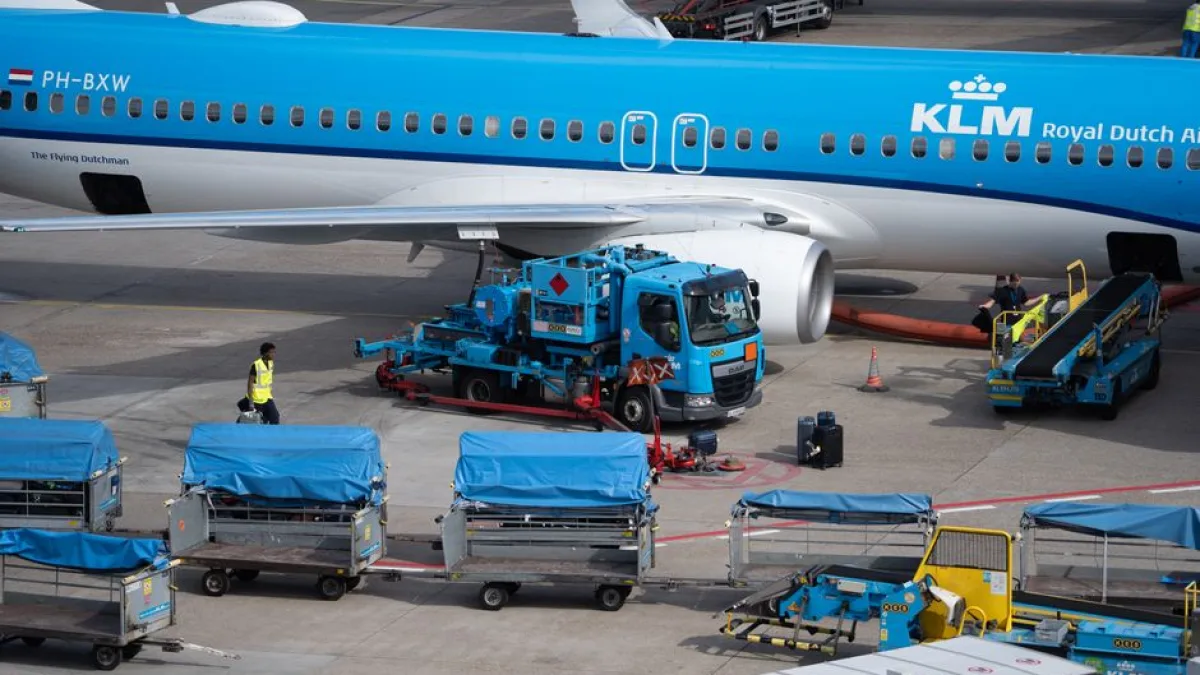
Managing space allocation effectively is the backbone of any successful air freight business today. Forwarders must balance fluctuating airline allotments with specific client needs to ensure that high priority shipments move without costly delays or unexpected capacity bottlenecks at busy terminals.
- Strategic block space: Forwarders should negotiate fixed block space agreements with airlines to secure reliable capacity during peak seasons and avoid the volatility of spot market pricing models.
- Digital capacity tracking: Implementing cloud software allows teams to monitor real time availability across multiple airline partners to ensure that every shipment matches the most suitable aircraft.
- Dynamic route planning: Advanced routing algorithms help identify the most cost effective paths while considering hub connectivity and potential ground handling delays that often impact final delivery times.
- Carrier performance metrics: Tracking airline reliability enables managers to select carriers that consistently meet transit windows which significantly boosts client trust and reduces overall supply chain risk.
Efficiently managing capacity requires a proactive approach that prioritizes data transparency across your entire organization. When forwarders integrate their systems with airline data, they gain the ability to make rapid adjustments to changing conditions. This level of agility ensures that high value cargo arrives on schedule, thereby strengthening your reputation as a reliable logistics partner in a demanding global marketplace for international trade.
Automating Compliance and Documentation

The paperwork associated with air freight is notoriously complex due to strict international aviation security and customs regulations. Automating these essential tasks reduces human error, speeds up the clearance process, and ensures that all documentation meets global safety standards.
- Digital documentation flow: Digitizing airway bills and commercial invoices minimizes manual entry errors while providing a centralized repository for all required legal and customs compliance documentation.
- Automated security screening: Integrated software solutions trigger security checks automatically to confirm that cargo complies with international aviation regulations before it ever reaches the airport terminal gate.
- Customs integration tools: Direct connections to local customs authorities allow for real time filing of declarations, which prevents document bottlenecks and speeds up final cargo release cycles.
- Real time error validation: Automated validation scripts catch data inconsistencies immediately upon entry, which ensures that paperwork is perfectly accurate before the freight arrives at the cargo hub.
Precision in documentation is not just about speed, as it is also about preventing expensive delays caused by customs holds or inaccurate filing. By using robust software to manage your compliance workflows, you remove the burden of manual checks from your staff. This shift allows your team to focus on exception management rather than mundane data entry, resulting in a seamless air freight process.
Optimizing Warehouse Throughput

Airport warehouses are high pressure environments where time is money. Forwarders who optimize their staging, sorting, and palletizing workflows gain a significant advantage, as they can process larger volumes of cargo with greater accuracy and less operational friction throughout.
- Automated inventory scanning: High speed barcode and RFID scanning systems provide instant visibility into warehouse inventory levels, which eliminates lost cargo and improves overall stock management efficiency.
- Palletizing optimization software: Intelligent software determines the most efficient weight distribution for pallets, ensuring maximum utilization of aircraft hold space while maintaining strict aviation safety standards.
- Cross docking workflows: Synchronizing inbound truck deliveries with outbound flight schedules creates a continuous flow, which reduces the need for long term storage and warehouse congestion.
- Real time status updates: Sharing automated status updates with stakeholders during the warehouse process enhances transparency and provides customers with confidence regarding their shipment location and security.
Effective warehouse management hinges on visibility and systematic movement of goods. When your software provides a birds eye view of the staging area, it becomes much easier to prioritize urgent shipments and streamline the throughput process. This focus on operational excellence reduces labor costs and increases the volume of freight you can handle, ultimately leading to improved profitability for your logistics firm.
Data Driven Client Communication

Modern clients demand instant visibility into their air freight shipments at every stage of the journey. Providing self service portals and automated notification systems transforms the customer experience and positions your company as a modern leader in the industry.
- Proactive shipment notifications: Automated email and SMS alerts keep clients informed about status changes immediately, which reduces the volume of manual inquiries handled by your operations staff.
- Self service client portals: Providing customers with 24/7 access to tracking and documentation allows them to manage their own inquiries, freeing your team for complex problem solving.
- Customized analytics dashboards: Offering clients high level reports on their shipping trends and costs helps build strategic partnerships and demonstrates the value of your logistical expertise.
- Exception management alerts: Automated flags for delays ensure that clients receive honest updates early, allowing for collaborative solutions that minimize the impact of unforeseen global logistics disruptions.
Transparent communication is a core component of client retention in the logistics sector. By leveraging digital tools to share accurate, real time information, you build a foundation of trust that transcends simple transaction processing. This proactive approach turns standard freight forwarding services into a high value partnership that helps your clients achieve their own business goals while strengthening your market position significantly.
Conclusion

Mastering air freight operations requires a combination of strategic planning, advanced technology, and a commitment to operational efficiency. By automating documentation, optimizing warehouse workflows, and prioritizing client communication, forwarders can successfully navigate the complexities of modern logistics. Adopting a cloud based software platform like MakeCargo ensures your business remains scalable and prepared for future growth. Start refining your processes today to achieve long term success.