Optimizing Air Freight Operations with Modern Digital Solutions
Monday, October 19 2026

The global air freight industry remains a cornerstone of international trade, providing the speed necessary for high-value and time-sensitive shipments. As market volatility increases and customer demands for transparency rise, freight forwarders must shift away from manual processes toward integrated digital ecosystems. By leveraging advanced cloud-based software, logistics professionals can enhance operational visibility, reduce manual errors, and accelerate response times across their supply chain networks. Adopting these modern strategies ensures that forwarders remain competitive in an environment where precision and real-time data access are critical requirements for success, allowing businesses to scale their operations effectively while maintaining exceptional service standards for global clients.
Streamlining Booking Workflows

Modern digital platforms empower teams to manage air cargo bookings with unprecedented efficiency. By centralizing communication and documentation, forwarders eliminate the bottlenecks associated with traditional emails and spreadsheets, allowing staff to focus on high-value tasks that drive revenue and growth.
- Unified Booking Dashboard: Centralize all air freight requests in one interface to ensure every team member has instant access to real-time status updates and carrier availability information across different routes.
- Automated Rate Management: Utilize smart tools to compare carrier rates instantly, ensuring that you select the most cost-effective and efficient options for your clients every single time they ship.
- Real-time Capacity Checks: Reduce administrative delays by checking current airline capacity directly through integrated software APIs, preventing the common pitfalls of double bookings or missed flight departures.
- Instant Documentation Generation: Create essential shipping documents like airway bills automatically based on existing data to minimize manual entry errors and ensure full compliance with international aviation regulations.
- Client Portal Integration: Provide your customers with a secure login to view their current shipment status, which reduces the volume of status inquiries and increases overall client trust.
Transforming the booking process creates a foundation for operational excellence. When teams spend less time chasing data and more time optimizing routes, the entire business benefits. Digital integration allows forwarders to respond to quote requests faster than competitors, securing more business in a challenging market. This proactive approach to logistics management ensures that every shipment is handled with the precision modern customers expect today.
Enhancing Shipment Tracking Visibility

Real-time visibility into the movement of goods is no longer a luxury but a fundamental necessity. Advanced tracking solutions provide forwarders and their clients with granular data, ensuring that every leg of the journey is monitored for delays or status changes.
- Proactive Milestone Alerts: Configure automated notifications to update stakeholders automatically whenever a shipment reaches a key milestone, such as arrival at the airport or departure for delivery.
- GPS Tracking Integration: Sync live location data from airline partners into your platform to provide clients with precise coordinates and accurate delivery estimates during the entire transit process.
- Exception Management Tools: Receive immediate alerts when disruptions occur, allowing your team to implement contingency plans before the client even realizes that a delay has potentially affected their goods.
- Visual Dashboards: Access interactive maps that display your entire global shipment volume, enabling managers to identify potential bottlenecks in specific airport hubs and adjust their logistics planning accordingly.
- Historical Data Analytics: Examine past shipment performance metrics to identify trends or carriers that consistently fail to meet service level agreements, facilitating more informed future decision making processes.
Visibility serves as the bedrock of trust in the freight forwarding sector. When clients know exactly where their cargo is, their anxiety levels drop and their loyalty to your brand grows significantly. Implementing automated tracking prevents the labor-intensive cycle of manual updates. Instead, your staff can focus on managing complex exceptions, ensuring that even the most challenging air freight shipments reach their destinations on time.
Optimizing Air Cargo Capacity

Maximizing load factors is essential for maintaining healthy profit margins in the air freight sector. Software tools now allow forwarders to optimize space utilization effectively, ensuring that every square inch of cargo capacity is utilized to its absolute maximum potential.
- Intelligent Load Planning: Use smart algorithms to calculate the best stacking patterns and density for pallets, ensuring that all available aircraft space is utilized efficiently to minimize costs.
- Dynamic Route Optimization: Analyze flight schedules and transit times to build routes that avoid congested hubs, reducing total shipping time and improving the reliability of your service offerings.
- Space Reservation Automation: Secure block space agreements with major airlines directly through digital portals to ensure that you always have guaranteed capacity during peak seasonal demand spikes.
- Consolidation Management Tools: Group smaller shipments into single master airway bills to take advantage of bulk rates, which significantly increases your profit margins on every single flight handled.
- Resource Allocation Planning: Align your warehouse labor and trucking resources based on the incoming flight data, ensuring that cargo is processed and moved immediately upon airport arrival.
Efficient capacity management defines the difference between a struggling agency and a thriving logistics leader. By optimizing every pallet and every flight path, you convert operational constraints into competitive advantages. These tools ensure that your business remains profitable even when market demand fluctuates. Ultimately, precise capacity planning allows you to provide better service while keeping overhead costs low and operational margins strong.
Driving Compliance and Security
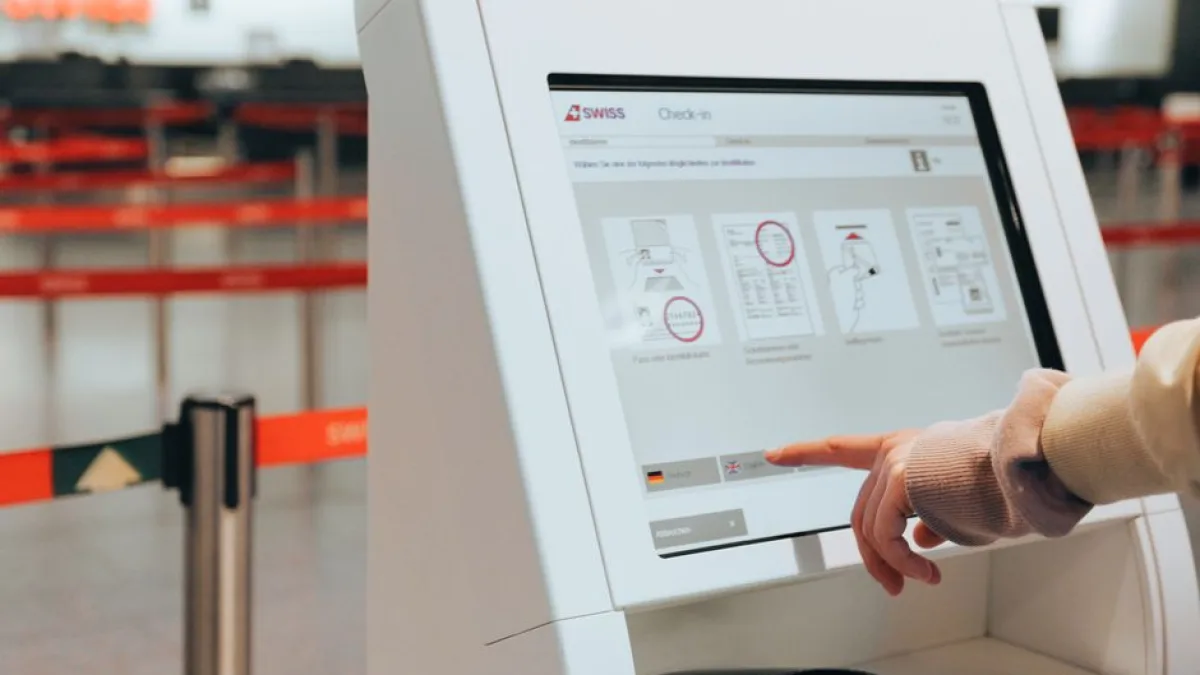
Navigating the complex landscape of international aviation regulations requires rigorous attention to detail. Digital platforms simplify the compliance process by ensuring that all necessary security filings and customs documentation are accurate, consistent, and submitted well within the required timeframes.
- Automated Customs Filings: Integrate directly with customs databases to submit required documentation electronically, which significantly reduces the risk of shipment holds or costly government imposed financial penalties.
- Security Screening Tracking: Maintain a clear digital audit trail of all security screening processes performed on goods, ensuring full transparency for airport authorities and international regulatory agencies.
- Document Archiving Systems: Store all critical compliance paperwork in a secure, searchable cloud database that makes retrieving records for audits or disputes an incredibly quick and painless task.
- Regulatory Update Notifications: Receive alerts about changes in international air cargo rules, ensuring your operations remain compliant with the latest security standards across all global jurisdictions.
- Error Detection Software: Utilize intelligent systems that scan your documentation for common mistakes before submission, preventing customs rejections that would otherwise delay your time-sensitive air freight shipments.
Compliance is the backbone of reliable logistics. By digitizing your approach to international regulations, you minimize the risk of human error that can lead to damaging shipping delays or legal issues. A proactive stance on security and documentation builds confidence with both carriers and clients. This commitment to operational integrity safeguards your company reputation and ensures smooth operations throughout the global trade network.
Conclusion

Modernizing your air freight business is essential for thriving in today's fast-paced digital market. By integrating advanced software solutions, you can streamline booking, increase tracking visibility, optimize cargo capacity, and ensure full regulatory compliance. These improvements lead to higher operational efficiency, reduced overhead costs, and stronger client relationships. Embrace digital transformation today to secure your competitive edge and drive sustainable long-term growth for your agency.